
Last updated November 25, 2026
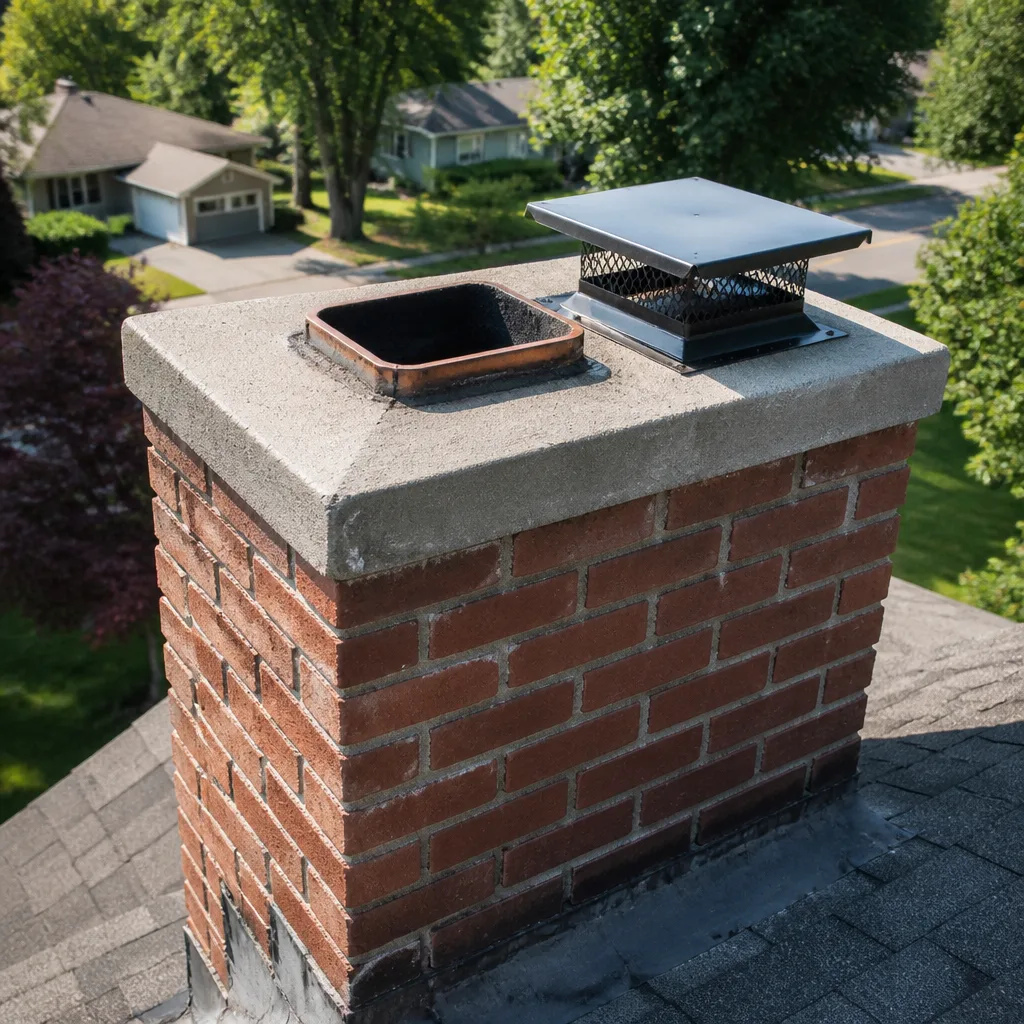 Sweep & inspection
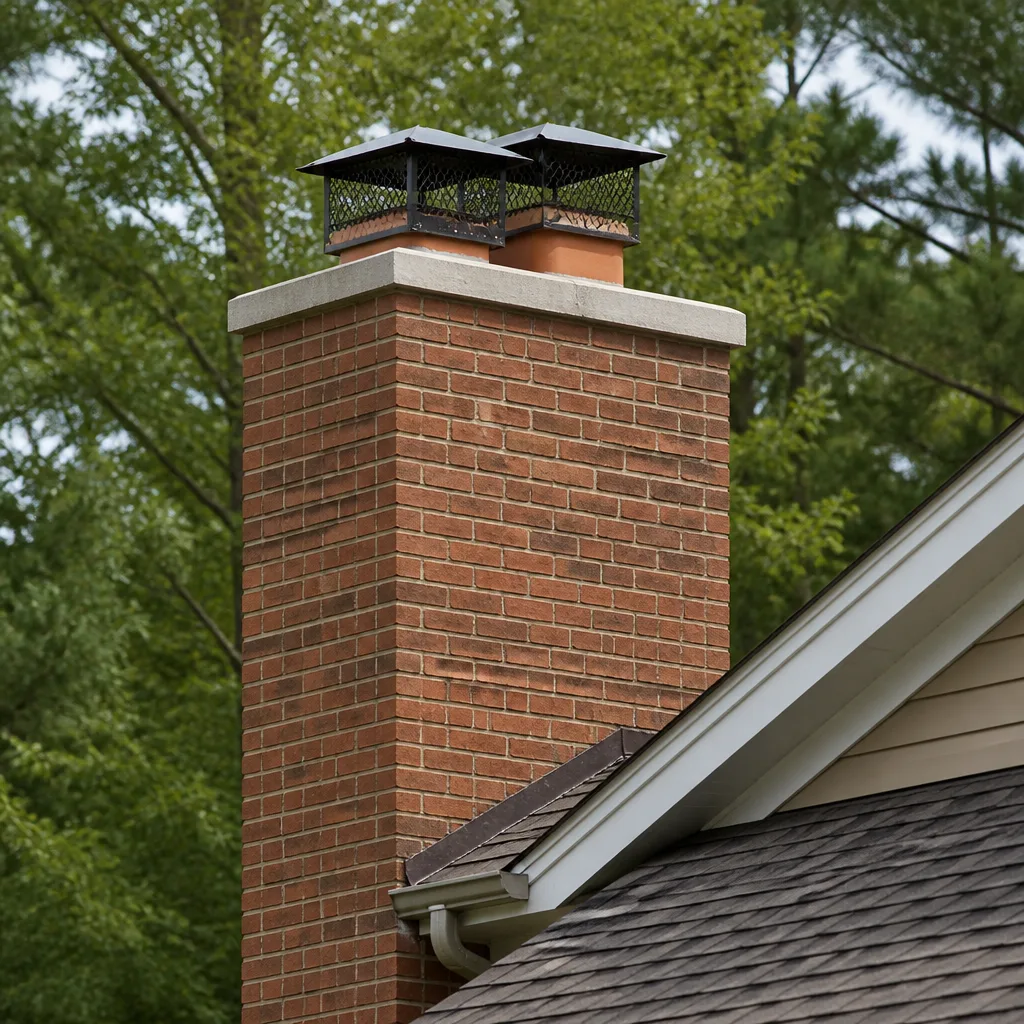 Caps & crowns
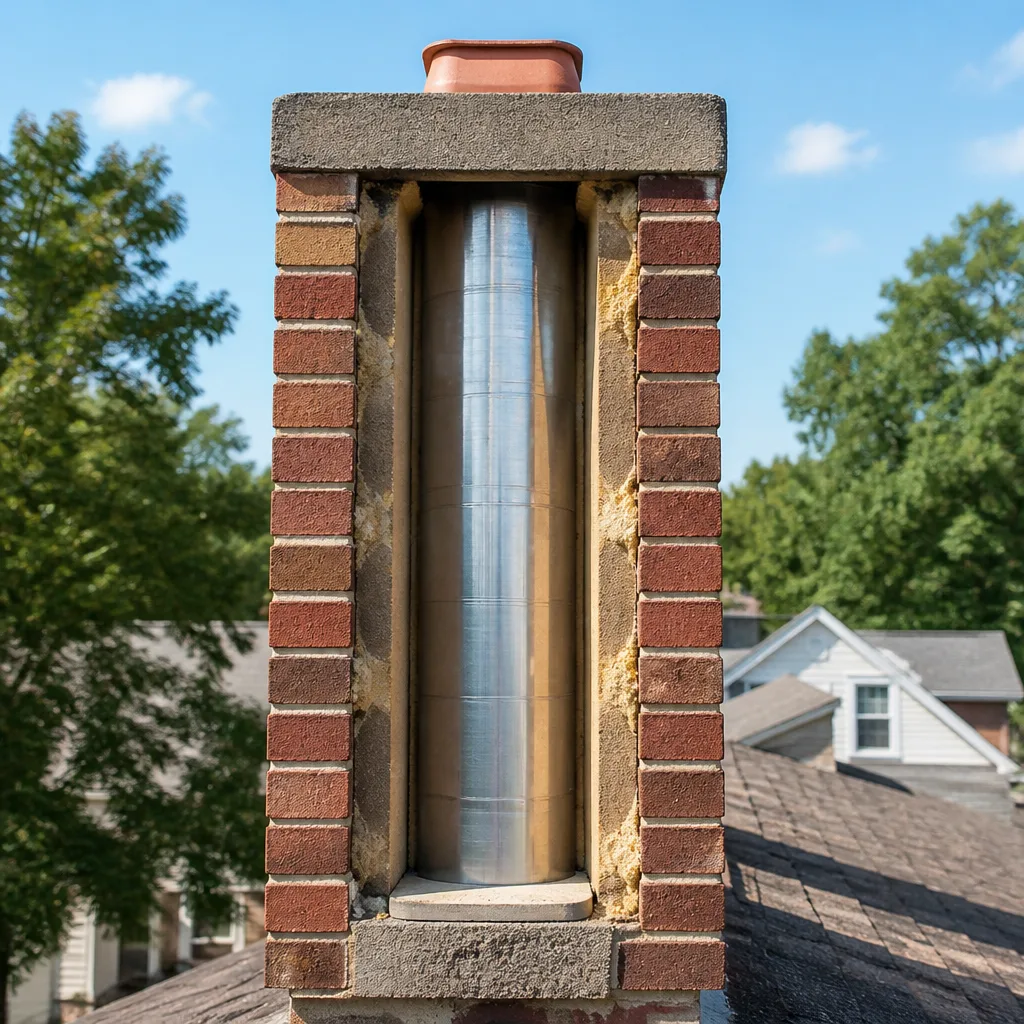 Flue relining
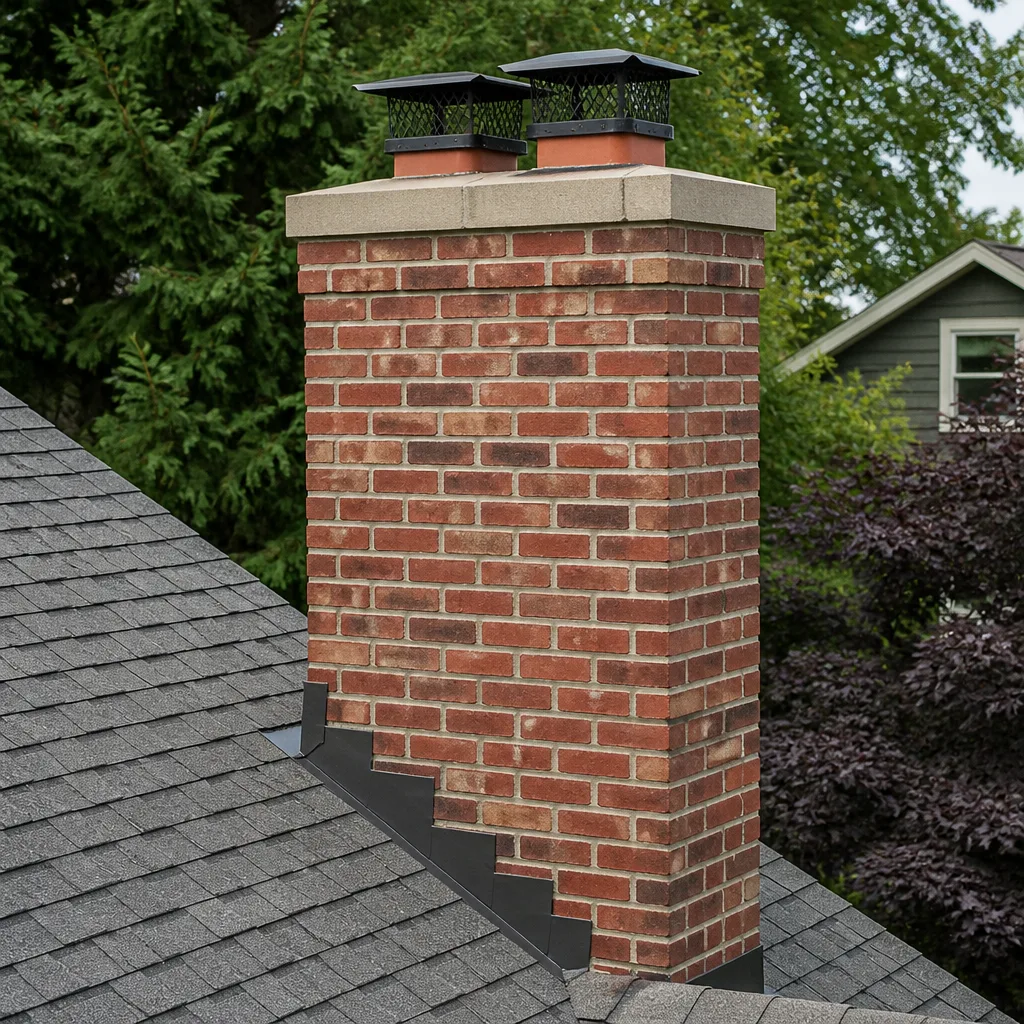 Masonry repair
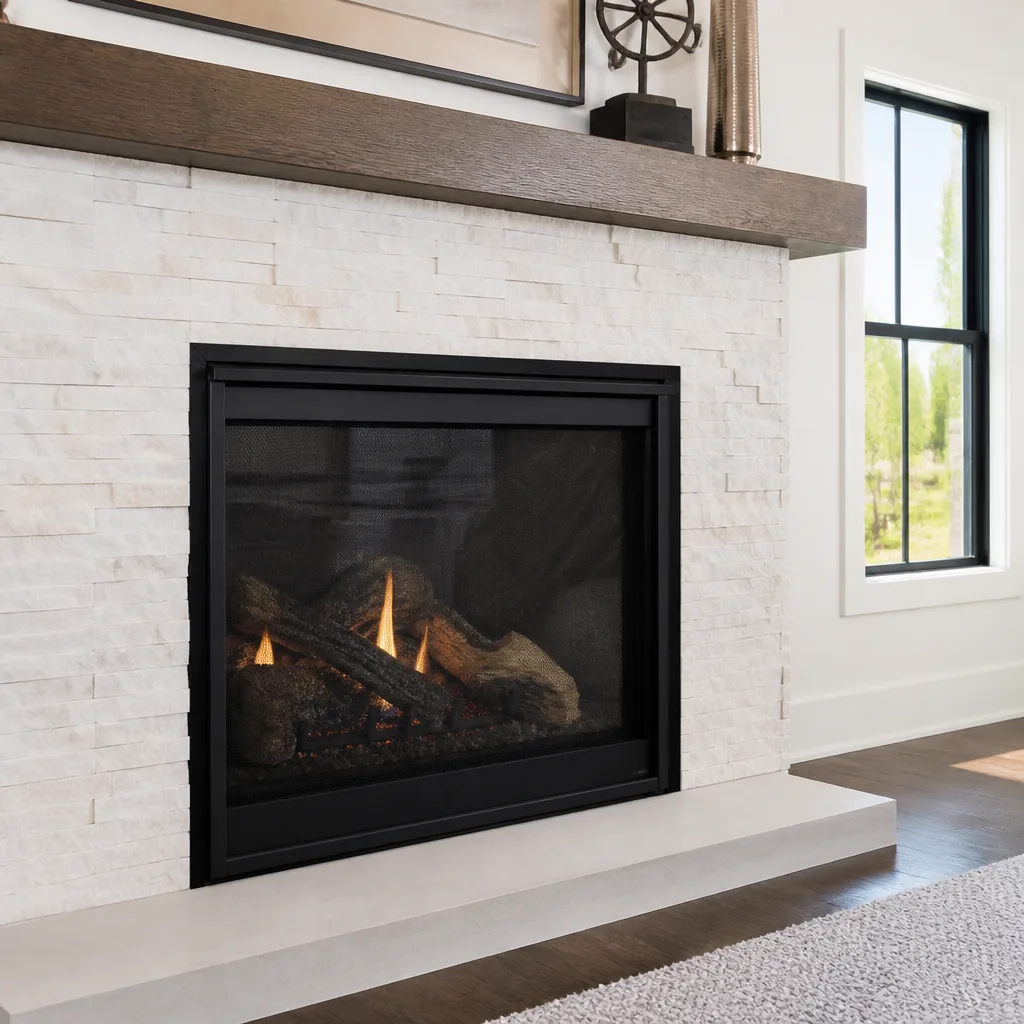 Gas fireplace service
Level 1 sweep and inspection to the NFPA 211 annual standard - flue, crown, cap, and flashing checked and photographed
Chimney sweep logs do not sweep chimneys. They loosen some creosote - which then falls where a brush and vacuum still have to collect it.
Seasonal Chimney Cleaning Care for Concourse: Year-Round Homeowner’s Guide
One sweep a year is the industry’s minimum recommendation, and most homeowners treat it like a checkbox. In Concourse, that habit can leave a chimney in worse shape than the calendar suggests. Our heating season runs long, spring swings between freezing nights and warm afternoons, and summer humidity settles into closed flues for months. A crown that cracks in March, a mortar joint that spalls in April, or a layer of glazed creosote that hardened in February won’t show up on a once-over in October. This guide walks through what your chimney needs in each season here, why a two-year cycle often falls short for Concourse wood burners, and the warning signs to watch for while the fire is going.
Styles & brands we work with
- Sweep & inspection
- Caps & crowns
- Flue relining
- Masonry repair
- Gas fireplace service
Quick Answer
In Concourse, a chimney should be swept and inspected once a year, ideally in late September or October before heating season begins, with a lighter check in spring after freeze-thaw has done its work. If you burn wood regularly through the winter, a two-year sweep cycle is not enough. Homes here also need seasonal attention to caps, crowns, and dampers to prevent summer moisture intrusion and spring spalling.
Table of Contents
- Why Concourse Chimneys Face a Different Seasonal Cycle
- Fall: The Pre-Season Window That Matters Most
- Winter: Reading Your Chimney’s Performance During Active Use
- Spring: The Freeze-Thaw Assessment Season
- Summer: Negative Pressure and Moisture in a Closed Chimney
- Why a Two-Year Sweep Cycle Falls Short for Concourse Wood Burners
- Cap, Crown, and Damper Conditions That Prevent Costly Damage
- Common Mistakes to Avoid
- When to Call a Professional
- Frequently Asked Questions
- The Bottom Line
Why Concourse Chimneys Face a Different Seasonal Cycle
Chimneys everywhere face creosote, soot, and weather. What changes by region is how those forces arrive. In Concourse, they arrive in sequence: a long, heavy burn season, then a spring that pulls moisture into masonry as afternoon thaws follow freezing nights, then a summer that seals humid air inside a closed flue, then a fall where debris from surrounding trees fills an open cap before the first fire is lit.
That sequence matters because each phase damages a chimney in a different way. Creosote buildup is a winter risk. Spalling brick and cracked crowns are a spring risk. Rusted dampers and moisture-swollen flue tiles are summer risks. Blocked caps are a fall problem waiting to happen. A single annual service can address one of these well and the others only in passing.
We approach every Concourse job as a diagnostic first step, not a cleaning task. Our technicians have up to 11 years of experience, and in that time the pattern has been consistent: the chimneys that fail early are almost never the ones that were swept too rarely. They’re the ones where the sweep happened but the crown was never looked at, or the cap was never checked after a storm season.
When we visit a home in Concourse, we’re looking at five connected things: the flue interior, the firebox and damper, the cap, the crown, and the exterior masonry. Those are the same systems that make up our Chimney Sweep Concourse service across a full sweep, repair, and inspection scope. A chimney is a single structure, and the seasons hit each of those parts at a different time.
What the Local Climate Actually Does to a Chimney
- Long burn season: wood-burning homes here run fires for months, not weeks, which gives creosote more time to build and bake onto flue walls.
- Freeze-thaw swings: water absorbed into brick or mortar expands when it freezes overnight and contracts when it thaws in the afternoon. Repeated cycles open cracks that only get wider.
- Humid summers: flues with no airflow trap moisture against brick and metal, driving rust and mortar breakdown from inside.
- Fall debris: leaves and twigs collect on caps and near spark arrestors, and the first fire of the season can push them into airflow.
Fall: The Pre-Season Window That Matters Most
Late September through October is the best window to book a sweep in Concourse. Heating demand hasn’t fully started, so the flue is cool and accessible, and any repair we find can be completed before the first sustained burn. Wait until November and you’re scheduling around cold nights, snow flurries, and a chimney that’s already loading up with creosote.
This is also the moment when the chimney’s condition coming out of summer becomes visible. What we find in fall tells us how the previous spring and summer treated your structure. A crown that looked fine in March may show new longitudinal cracks after a season of sun exposure and thermal movement. A cap that survived winter storms may have lost a corner or a screen panel.
Fall Task List for Concourse Homeowners
- Book the annual sweep and inspection before heating season begins. Late September through October gives you room to schedule repairs if anything is found.
- Check the cap and spark arrestor from the ground. Look for missing pieces, bent mesh, or debris collected on top. If something looks off, don’t climb up; have it looked at.
- Have the flue inspected with a camera. A camera sweep shows the condition of the flue lining before the season starts, so any separated liner joints are caught early.
- Clear creosote before the first fire. A summer’s worth of hardened creosote plus a fresh season of buildup is a heavier load than the flue was designed for.
- Test the damper. A damper that no longer seals or opens smoothly is a sign of rust or warping picked up over summer humidity.
- Inspect the firebox for cracked brick or loose mortar. Small cracks in firebrick widen under heat cycling, and a firebox in poor condition can let gases escape the combustion zone.
- Stock dry, seasoned wood and store it away from the house. Green or wet wood produces more creosote than seasoned wood, and a woodpile against the wall traps moisture against the exterior masonry.
We prefer to finish fall inspections before the first frost-hard freeze, because a crown or liner that fails in the cold turns a simple repair into a complicated one. Our chimney sweep work always ends with a written summary of what we found and what, if anything, needs attention.
Winter: Reading Your Chimney’s Performance During Active Use
During the burn season, your chimney is giving you information every time you light a fire. Draft changes, smells, and smoke behavior are early warning signals. You don’t need to climb the roof to read them. You do need to know what to watch for and to take any change seriously.
A chimney that drafts well and runs smoke-free year after year but suddenly starts puffing smoke when the fire is lit is telling you something has changed inside. That could be a partial blockage from debris, a liner joint that opened in a spring freeze, or an unexpected buildup of creosote restricting the flue.
Winter Warning Signs to Watch
- Smoke spilling into the room when you light the fire. This can indicate a blocked or undersized flue, or a downdraft from a competing exhaust fan. Stop burning until it’s checked.
- Draft that weakens over the season. A flue that drew well in November but struggles in January usually has increasing creosote or a partially blocked cap.
- Strong creosote smell, especially on warmer days. A sharp, tar-like odor that gets worse outside of burning hours can signal a heavy creosote load in the flue.
- Smoke lingering at the top of the firebox. If smoke pools instead of rising, the draft is compromised.
- Any smell of gas or combustion exhaust in the house. For gas fireplaces and appliances, this needs immediate professional attention. Carbon monoxide has no smell, so an odor isn’t the only sign – install and test CO alarms.
- Visible soot on the firebox surround or smoke staining above the firebox opening. This much is a draft or blockage issue, not a cosmetic one.
We don’t recommend do-it-yourself flue work during burning season. The interior of a hot flue and the roof surface are both unsafe working conditions. If you notice any of the signs above, pause the fire and have the system evaluated. Our chimney repair service addresses the causes behind winter draft and smoke problems, and we do the work with parts built for professional installation.
If your fire is burning fine but you’re new to the house and don’t know when the last sweep happened, that’s your cue to book one before spring. The safest assumption is that the previous owner didn’t keep records.
Spring: The Freeze-Thaw Assessment Season
Spring is the season most homeowners skip, and it’s the one where Concourse chimneys take the most structural damage. Water that gets into brick or mortar during a thaw refreezes overnight, expands, and pushes the material apart. That cycle repeats for weeks on a typical Concourse spring. By the time warm weather settles in, cracks and spalling are already present.
A spring inspection is different from a fall sweep. In fall, we’re preparing the flue for the burn season. In spring, we’re assessing what winter did to the structure. Those two jobs use different tools and answer different questions.
What Spring Assessment Should Cover
- Spalling brick on the chimney exterior. Flaking or crumbling brick faces mean moisture got in and froze. Left alone, the brick continues to break away and the masonry above it loses support.
- Cracked or displaced crown. The crown is the concrete or mortar cap at the top of the chimney. Cracks let water in, and water that gets below the crown deteriorates the masonry directly under it.
- Liner joint separation. Clay tile liners have joints that can open up during freeze-thaw. A camera inspection from inside the flue shows separation that isn’t visible from the top.
- Mortar joint erosion. Mortar between brick courses is softer than the brick and wears faster. Recessed, crumbly joints are a sign of water damage from the outside.
- Flashing condition. The seal between the chimney and the roof is a common leak point after winter. Lifted or rusted flashing routes water straight into the roof structure.
- Damper and firebox condition after the burn season. Heavy winter use leaves the firebox and damper with wear that’s easier to fix in spring than in the fall rush.
We use professional-grade materials for spring repairs, including HeatShield for resurfacing damaged flue interiors and Copperfield for crown and flashing work. Those aren’t hardware store solutions; they’re the materials specified by chimney professionals for repairs expected to last through repeated freeze-thaw cycles. Our chimney cap & crown work is often the first step in stopping the damage before it goes deeper into the masonry.
Spring is also the easiest time to book repairs. The fall schedule fills up as homeowners prepare for burning season. If a spring inspection identifies work, we can usually schedule it well before fall demand.
Summer: Negative Pressure and Moisture in a Closed Chimney
In summer, your chimney is essentially an enclosed shaft of humid air sitting against a masonry wall. In Concourse’s humid summers, that arrangement traps moisture inside the flue for months. Without airflow, the moisture has nowhere to go. It condenses on the flue walls, on the damper, and on metal components, and it drives rust and mortar degradation from the inside out.
Paired with this is a common summer pressure problem. A house with closed windows, a running air conditioner, and dryers or bath fans venting air out can go into negative pressure. Air gets pulled into the house through any opening it can find, and the chimney is often the easiest path. That means hot, humid outdoor air moving through the flue, cooling, and condensing on the interior surfaces. A chimney that sits open all summer ends up wetter than a chimney that sits closed with good airflow control.
Summer Conditions That Protect a Chimney
- A functioning cap with mesh screening. A cap keeps rain and debris out while allowing the flue to breathe. A missing or damaged cap leaves the flue open to summer storms.
- A sealed or well-fitted damper. A closed damper stops convection that pulls air through the flue when no fire is burning. A damper that no longer seats properly is practically an open window into your chimney.
- No cracked crown. The crown sheds water away from the top of the chimney. Once it cracks, summer rain gets into the masonry directly.
- Chimney flashing in good condition. Roof leaks around the chimney are more common in summer storm season than in winter.
- Interior masonry in good repair. Crumbling mortar pulls moisture from the air and holds it against the brick.
If your chimney smells musty or you notice dampness near the hearth in summer, moisture is already a problem. We can diagnose the cause with a camera inspection and a look at the cap and crown conditions. Olympia Chimney and Famco components are among the professional-grade replacements we use when a cap, damper, or top-mount component needs replacing.
Why a Two-Year Sweep Cycle Falls Short for Concourse Wood Burners
The two-year sweep cycle you see recommended nationally applies to occasional users: homes that burn a fire on a few cold nights a year and otherwise leave the fireplace dark. It does not apply to homes in Concourse that burn wood through a full winter. If you use your fireplace as a heat source or burn several cords each season, the schedule tightens.
Here’s why. Creosote accumulates in layers. A thin layer of soot brushes away easily. A thick, glazed layer hardens into a resin that requires more aggressive sweeping and, in some cases, chemical treatment before it can be removed. Between years, that hardened creosote is sitting in the flue, exposed to heat and moisture from the next burn season, and it can build up to a point that restricts the flue and raises your risk of a chimney fire.
Creosote fires burn hot enough to crack clay tile liners and damage masonry. In our experience on Concourse inspections, the structural damage we find after a creosote fire is often more expensive than the sweep that would have prevented it.
How to Decide Your Sweep Frequency
- Occasional use (a few fires per season): An annual inspection and a sweep as needed. The chimney can often go more than one year between sweeps with careful monitoring.
- Regular use (fires most weeks through winter): Annual sweep and inspection, at minimum. If you notice draft changes or smells, book a mid-season sweep.
- Heavy use (wood as a heat source, several cords per season): Annual sweep is a floor, not a ceiling. Some heavy users sweep twice per season, one sweep before fall and another at mid-winter.
- Gas fireplace or insert: Annual inspection is still needed even though creosote isn’t a factor, because the vent can be blocked by debris or animal nests, and the appliance itself needs a combustion check.
The right answer depends on how much you burn, what you burn, and how efficiently your stove or fireplace runs. A wet-wood fire produces more creosote than a hot, dry-wood fire. A fireplace with a partially closed damper produces more than one that drafts properly. A camera inspection tells you what the flue actually looks like, which is a more reliable guide than a calendar.
Cap, Crown, and Damper Conditions That Prevent Costly Damage
Most chimney repairs we see in Concourse could have been prevented by a functioning cap, an intact crown, and a damper that closes properly. Those three components are the chimney’s defense against weather, animals, and moisture. When one of them fails, the other two take on load they weren’t designed for.
The Cap
A chimney cap does three things: it keeps rain out of the flue, it keeps birds and animals from nesting inside, and it keeps sparks from landing on the roof. It does not need to be a decorative feature, but it does need to be intact. A cap with a corroded panel or a missing screen still sits on top of the flue but stops doing its job. We install caps and caps with screens as part of a full chimney service, and we use component lines like Olympia Chimney that hold up through repeated freeze-thaw.
The Crown
The crown is the concrete or mortar surface at the top of the chimney, sloped to shed water away from the flue. Cracks in the crown are the most common entry point for moisture that damages masonry below. A crown repair or crown rebuild done with a material like Copperfield, applied with the right slope, gives decades of protection compared to a patch applied over cracks that are still active. We see many chimney repairs that started as small crown cracks a homeowner couldn’t see from the ground.
The Damper
The damper is the plate that seals the flue when the fireplace isn’t in use. A damper that stays open drives heat up the chimney in winter and draws humid air into the flue in summer. A damper that no longer closes is often rusted or warped from moisture, which means the moisture problem is already established. Damper repair or replacement is part of our fireplace repair scope.
How These Three Work Together
- Good cap, good crown, good damper: the flue stays dry, animals stay out, and the chimney has decades of protection ahead.
- Bad cap, good crown: water still enters the flue, but the crown sheds most of it. Repairs are usually limited to a sweep and a new cap.
- Good cap, bad crown: the flue stays dry, but water enters the masonry around the top through crown cracks. Masonry and mortar repairs become the priority.
- Bad cap, bad crown, bad damper: every weather system reaches the interior of the chimney. In a Concourse season, this can produce enough moisture damage to require a liner replacement.
Common Mistakes to Avoid
- Treating the annual sweep as the only maintenance. A sweep clears the flue. It doesn’t evaluate the crown, cap, or exterior masonry unless the visit is set up as a full inspection. Ask for both.
- Waiting until the first cold week to book. Fall is when Concourse schedules fill up. Late September and October bookings leave time to handle repairs before the season starts, while November and December bookings are squeezed into a much tighter calendar.
- Skipping the spring look. A chimney that swept clean in October may have cracked its crown or opened a mortar joint by April. Spring is the season when Concourse freeze-thaw damage is visible, and waiting until fall lets it deepen.
- Burning green or unseasoned wood. Wet wood produces more creosote than dry wood, which shortens the time between sweeps. In a long Concourse winter, that’s a difference of months.
- Ignoring a chimney smell in summer. A musty smell from the fireplace area in July and August is moisture in the flue or firebox, not just humid air. Have it looked at.
- Assuming an open flue is “normal” in summer. An open damper lets humid air travel through the flue and condense on cool interior surfaces. A properly closed damper is what stops the cycle.
- Using hardware-store materials for a structural repair. Crown patch from a tube doesn’t hold up to freeze-thaw. Liner repair with the wrong product can fail within a season. Professional-grade materials are the difference between a repair that holds and one you repeat.
When to Call a Professional
Some chimney conditions are safe to monitor from the room. Others aren’t. We recommend professional evaluation for any of the following: a fire that suddenly drafts poorly, smoke that spills into the room when lighting, a smell of creosote or combustion exhaust inside the house, visible soot staining above the firebox opening, spalling brick on the chimney exterior, a crown with visible cracks, or a chimney that hasn’t been inspected since you moved in. For gas fireplaces, any odor of gas or exhaust, or a CO alarm sounding, should prompt an immediate call. Never burn in a chimney that’s had a creosote fire without a professional evaluation first.
Chimney Sweep Concourse offers free estimates in Concourse for a full scope that includes sweep, inspection, cap and crown work, chimney repair, and fireplace repair. Call (877) 792-5845. We answer 24/7. Fast dispatch from 7am to 7pm, Sunday through Friday.
Frequently Asked Questions
Once a year for most homes, and more often if the fireplace is used as a heat source through the winter. Homes burning several cords per season often benefit from a mid-winter sweep in addition to the fall one. Call (877) 792-5845 for an exact quote on a sweep and inspection – estimates are free.
Late September or October, before heating season begins. The flue is cool, the schedule is open, and any repair found can be handled before the first sustained burn. Spring is the second-best window if you missed the fall slot.
For occasional users, two years is often fine. For homes that burn wood regularly through a Concourse winter, it isn’t. Creosote builds faster with heavy use, and it hardens into glazed layers that are harder to remove and riskier to leave in place. Annual sweep and inspection is the practical minimum. Call (877) 792-5845 to book yours.
Yes. Humid air in a closed flue with no airflow condenses on the interior and stays there for months, which drives rust on dampers and degradation of mortar and brick. A functioning cap and damper prevent most summer moisture problems.
You can’t always tell from the ground, which is why a professional inspection is worth doing each year. Visible cracks in the concrete top, spalling masonry below the crown, or moisture streaks on the chimney exterior are reasons to call for an inspection. Call (877) 792-5845 for an estimate.
A sweep cleans the flue of soot and creosote. An inspection evaluates the flue lining, firebox, damper, cap, crown, and exterior masonry for condition and safety. A sweep is not automatically an inspection, and the two are different services. We offer chimney inspection as a standalone service so homeowners can get a clear evaluation even if the last sweep was recent.
The Bottom Line
Concourse chimneys don’t get a single annual check because the local climate doesn’t deliver a single annual stress. Fall needs a sweep and inspection before heating season. Winter needs performance reading, not just burning. Spring needs an assessment of freeze-thaw damage. Summer needs protection against moisture and negative pressure. When you burn wood regularly, the sweep cycle tightens to at least once per year and sometimes twice. A working cap, an intact crown, and a damper that seals are the components that prevent most of the damage we’re called to repair. With each of our five services – sweep, cap and crown, chimney repair, fireplace repair, and inspection – we inspect before we recommend, and we repair with materials built to last through repeated freeze-thaw. From annual sweep to full structural repair, one company, one call.
Ready to get your Concourse chimney on a seasonal schedule? Call (877) 792-5845 for a free estimate. We answer 24/7. Fast dispatch from 7am to 7pm, Sunday through Friday.
Written by the team at Chimney Sweep Concourse.
See the difference
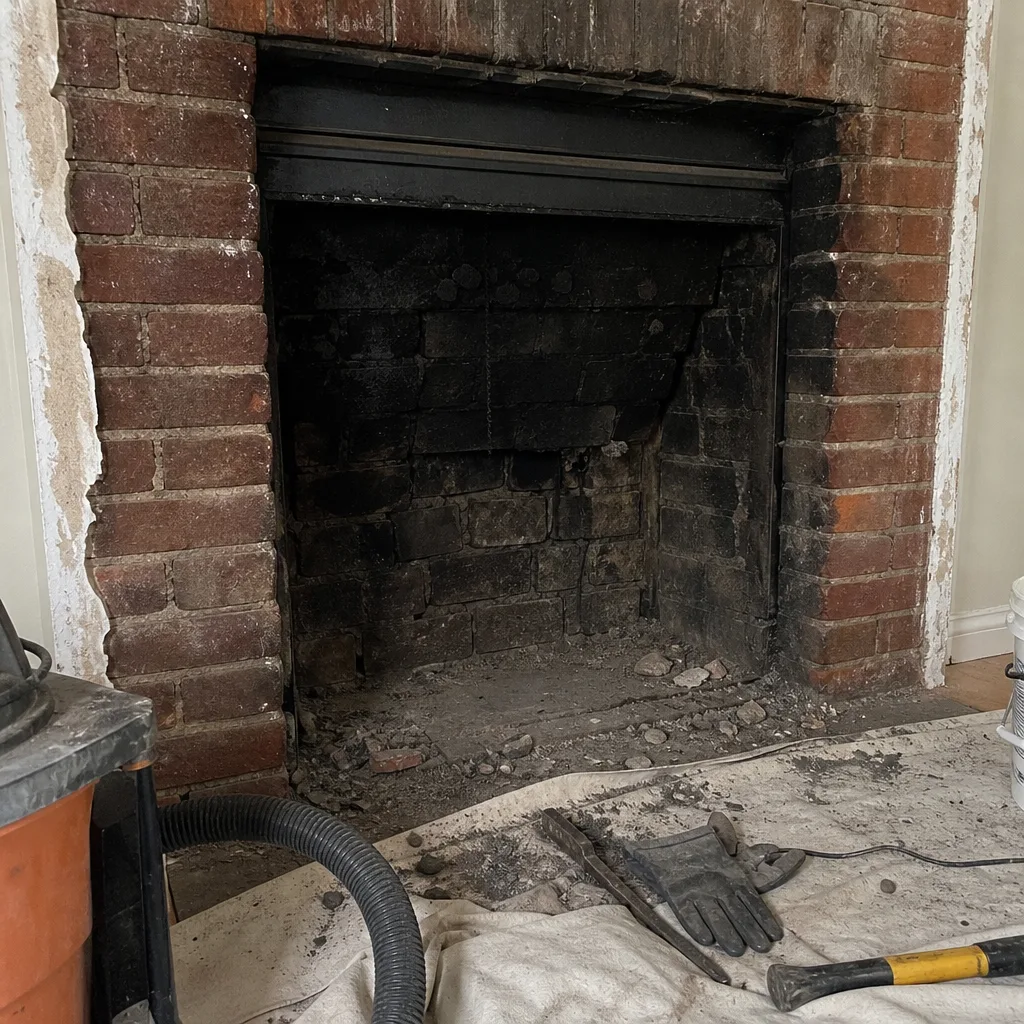 Before
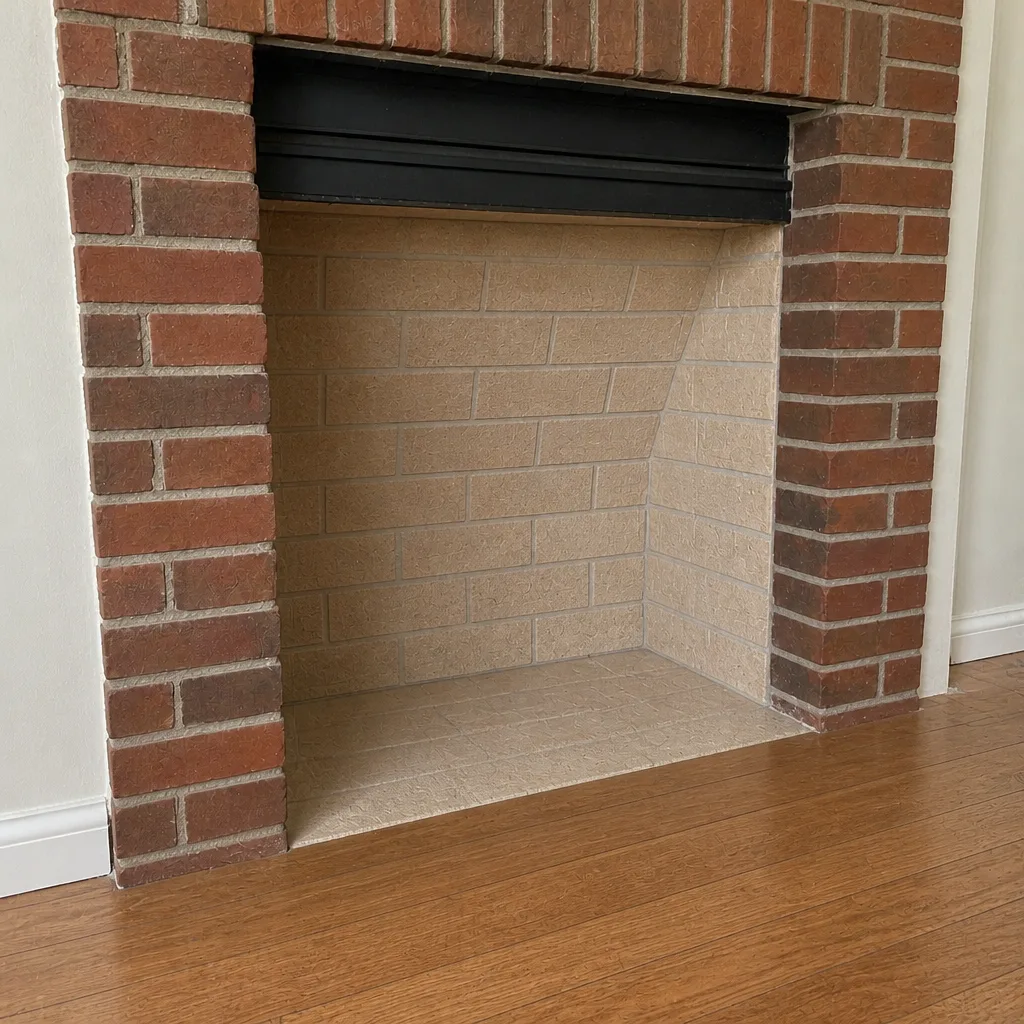 After
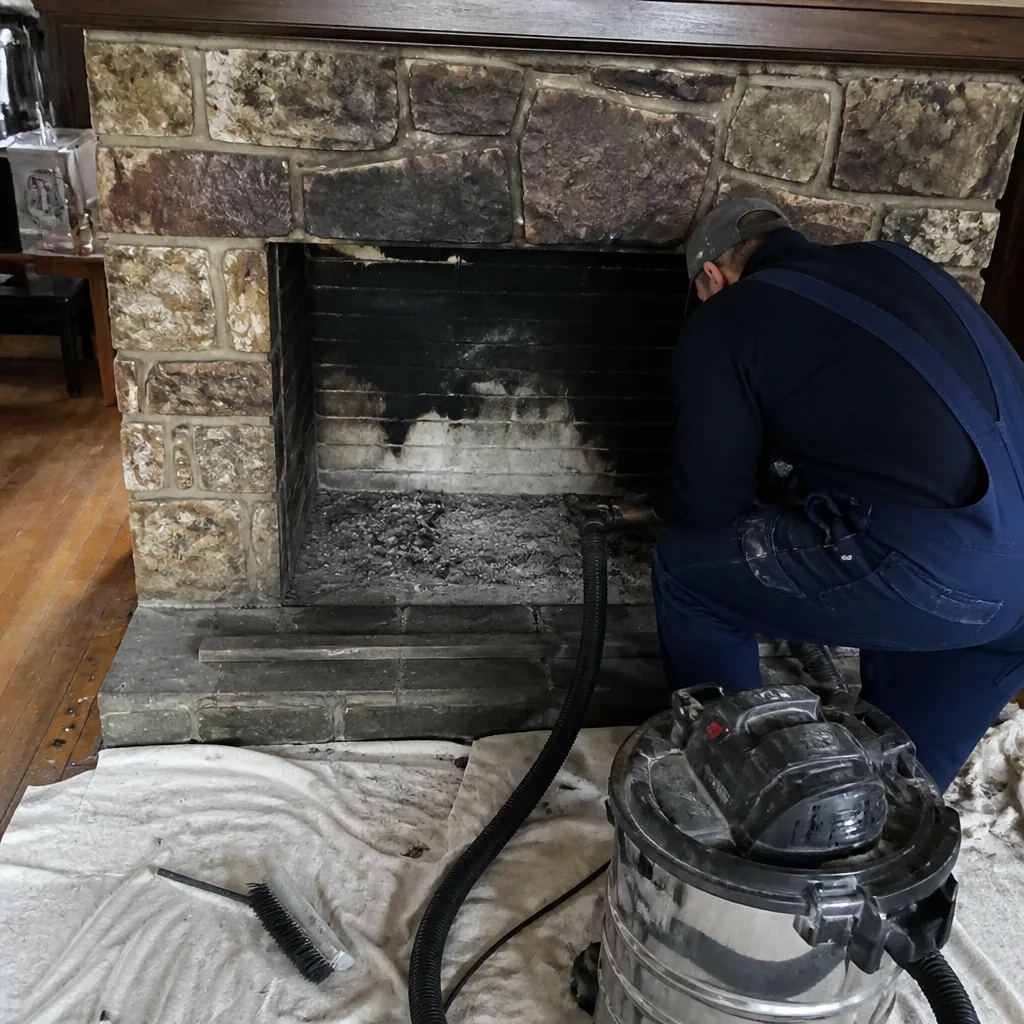 Before
 After
 Before
 After