
Last updated November 25, 2026
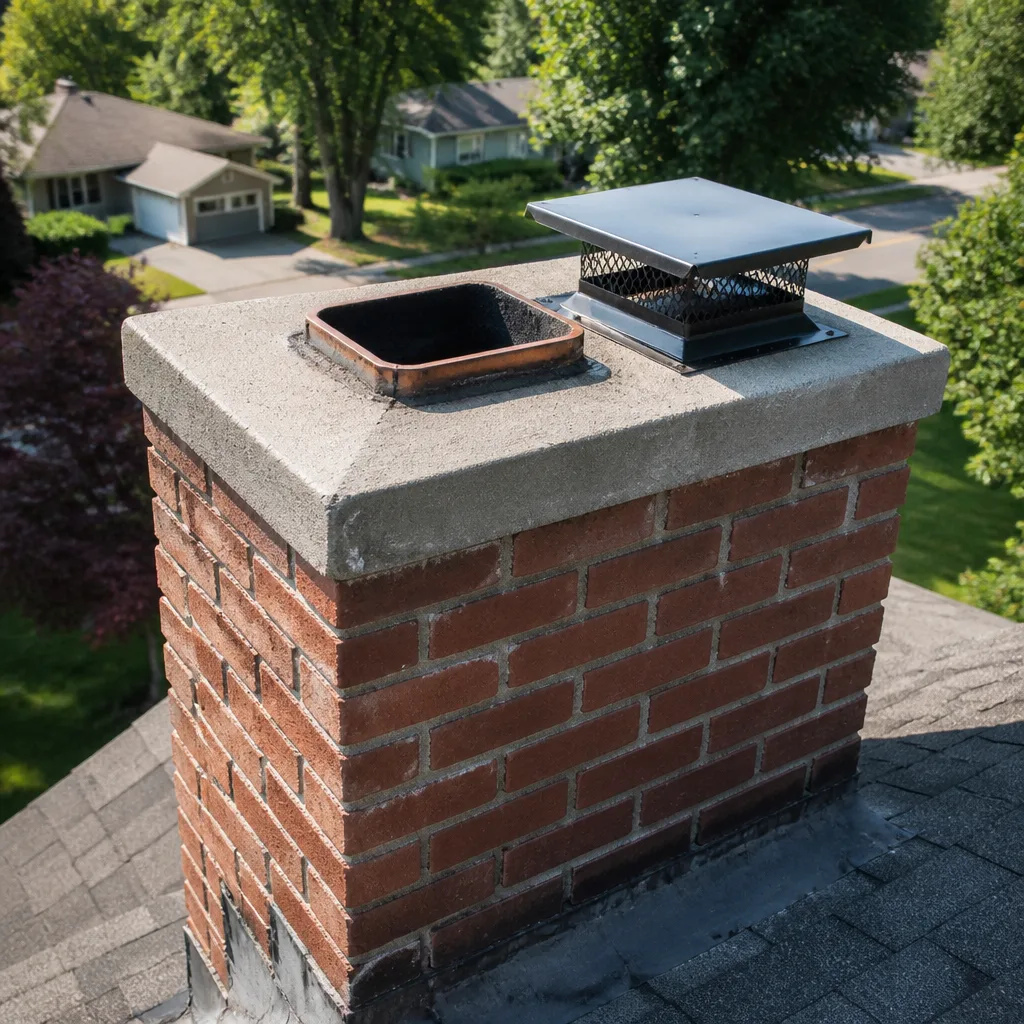 Sweep & inspection
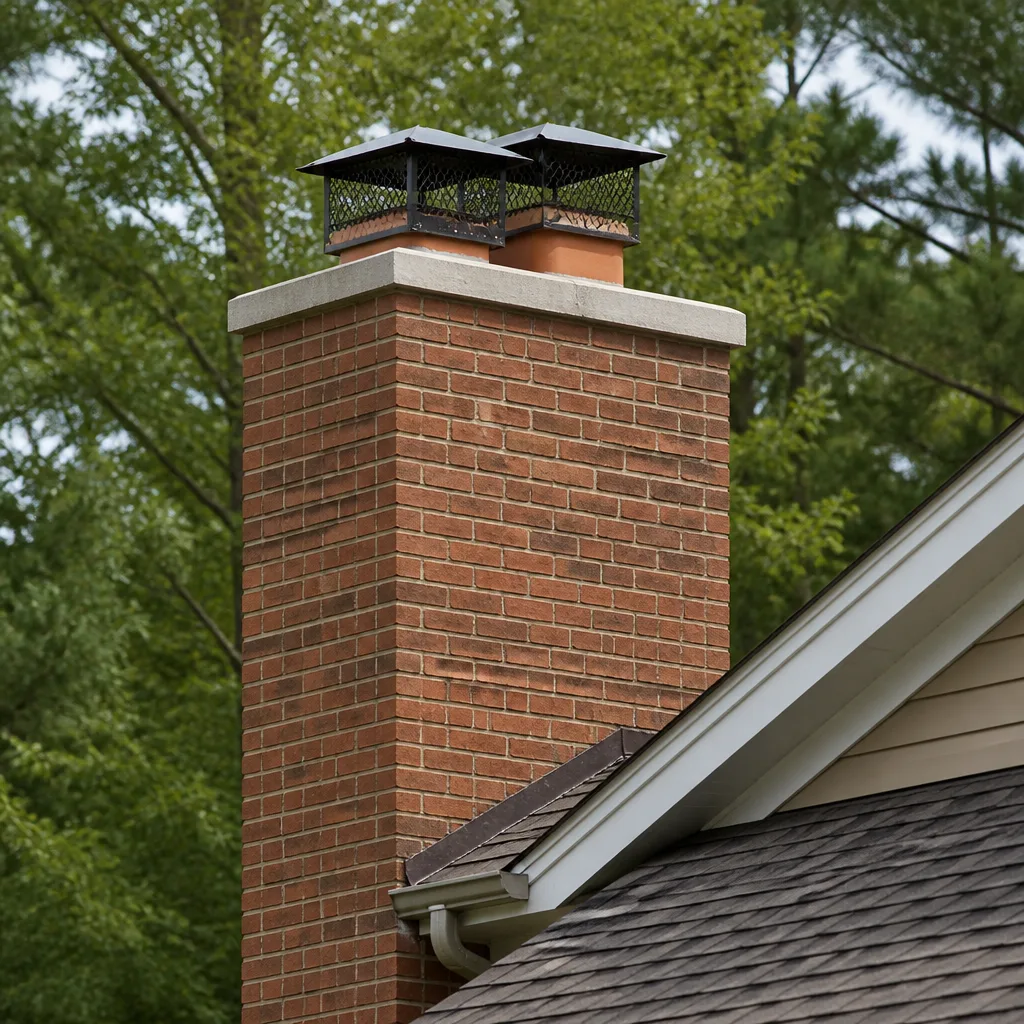 Caps & crowns
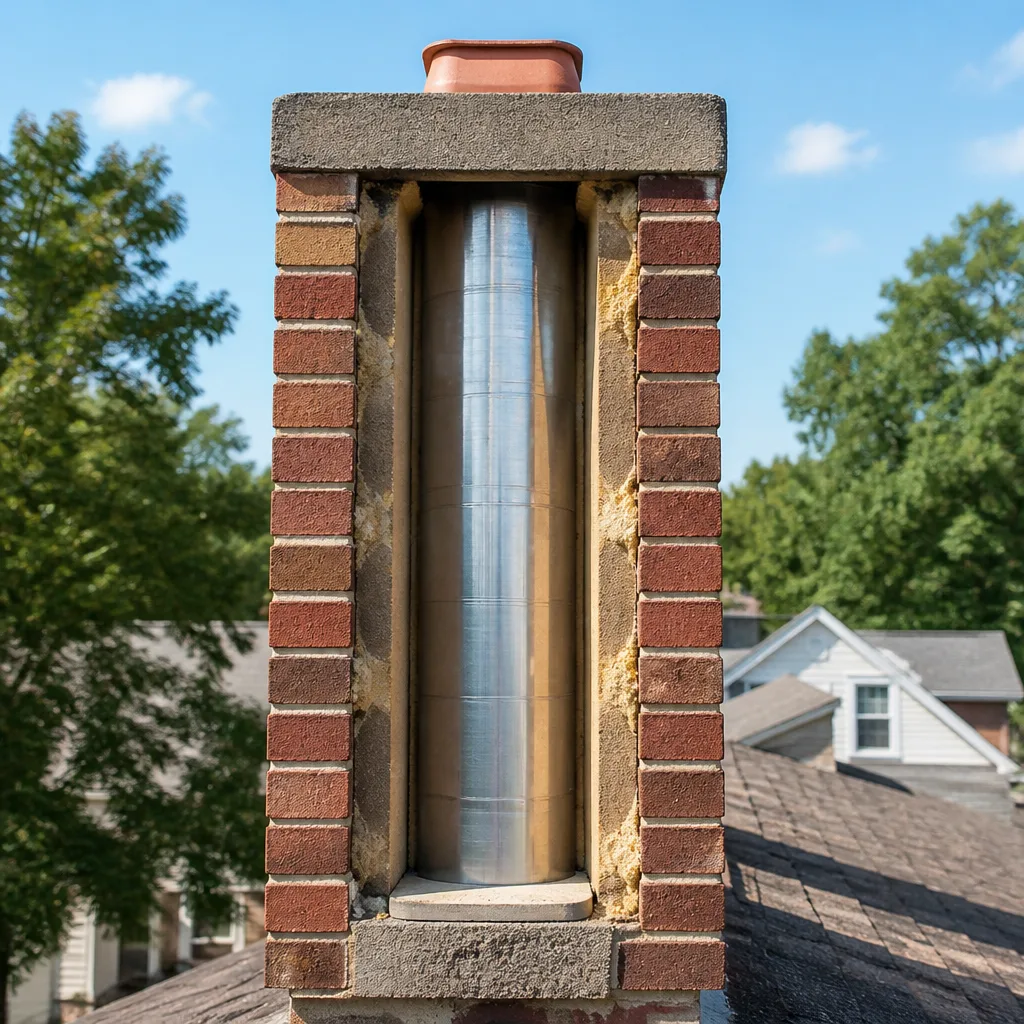 Flue relining
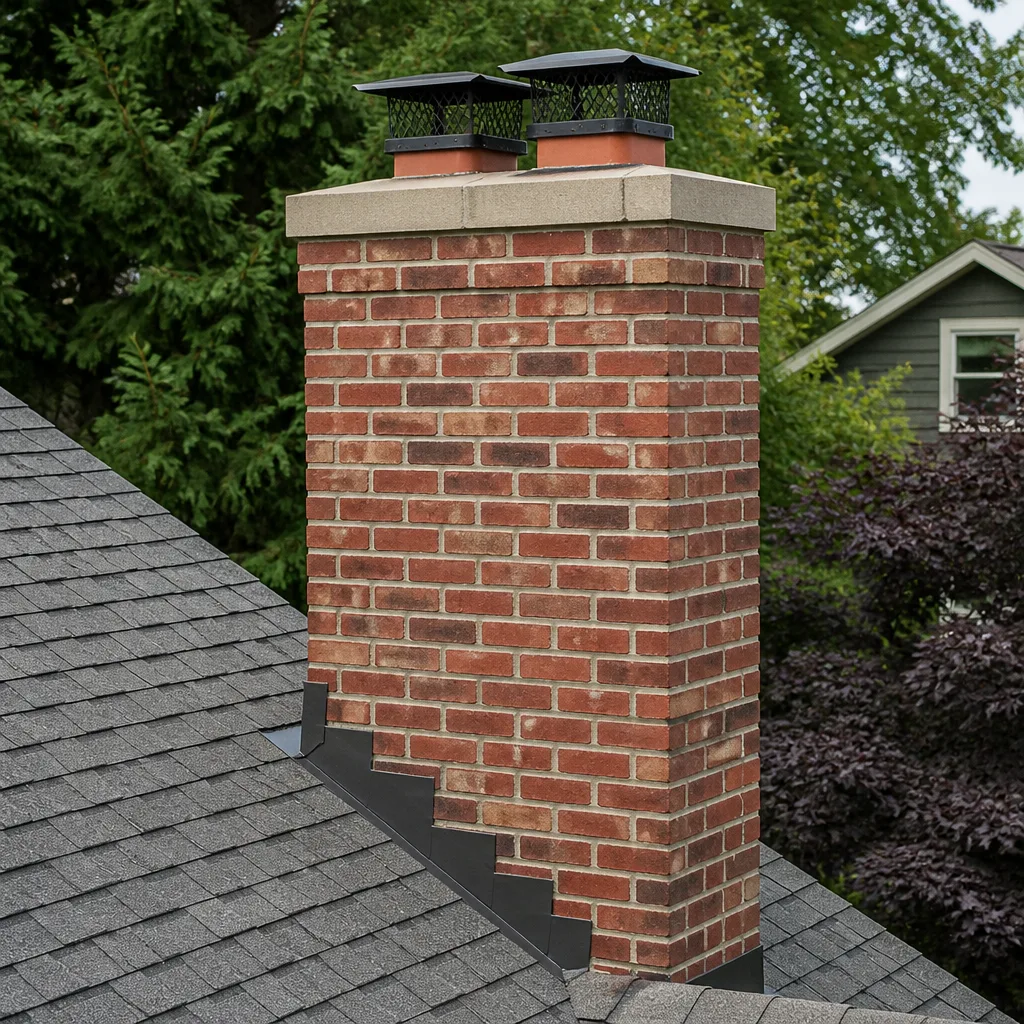 Masonry repair
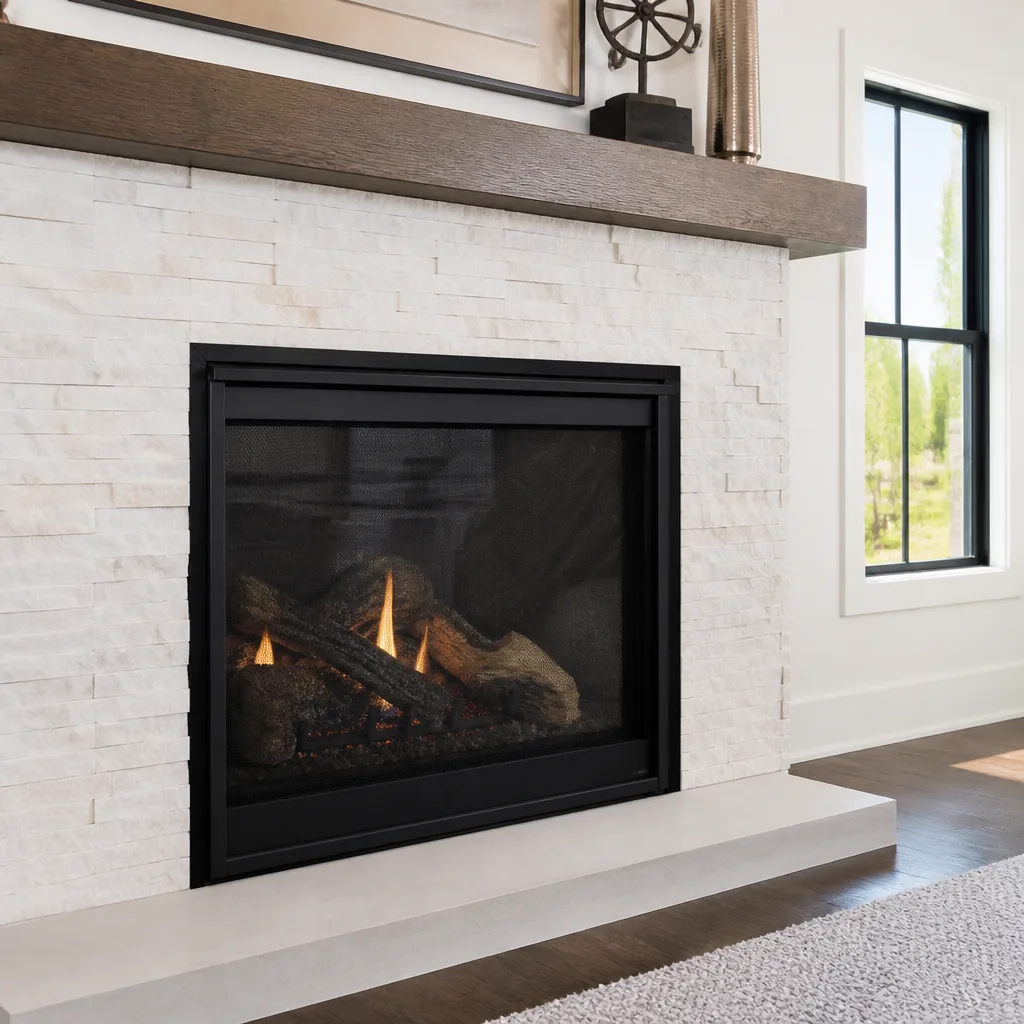 Gas fireplace service
Level 1 sweep and inspection to the NFPA 211 annual standard - flue, crown, cap, and flashing checked and photographed
Chimney sweep logs do not sweep chimneys. They loosen some creosote - which then falls where a brush and vacuum still have to collect it.
DIY vs Professional Chimney Cleaning: The Concourse Homeowner’s Decision Guide
Hardware store chimney brush kits sell the cleaning part fine. What they don’t come with is the training to recognize a stage 2 creosote glaze, a hairline liner crack hiding behind a film of soot, or a smoke chamber that a previous owner patched with the wrong material years before you bought the house. That gap between cleaning and assessing is the whole decision. In Concourse’s older housing stock, the physical act of brushing a flue is the easy half; knowing what the brush just uncovered is where fire hazards quietly survive. This guide walks through what a homeowner can legitimately do, what only a trained technician can do, and how to tell the difference before you decide.
Quick Answer
A homeowner can safely remove light surface soot from a well-maintained flue that burns only seasoned wood, but nothing more. Professional cleaning is the right call whenever there’s glaze, a known liner concern, a smoke chamber question, or no inspection on record – because a sweep is really an inspection with cleaning attached. Chimney Sweep Concourse treats those as one job, which is why we inspect before we recommend anything.
Styles & brands we work with
- Sweep & inspection
- Caps & crowns
- Flue relining
- Masonry repair
- Gas fireplace service
Table of Contents
- What DIY Chimney Cleaning Can Legitimately Accomplish
- What DIY Cleaning Cannot Do
- Understanding Creosote Stages in Concourse Homes
- The Equipment Reality: Why Shop Vacs Fall Short
- Liability and Insurance: The Documentation Problem
- A Hybrid Approach: Annual Inspection, Mid-Season Monitoring
- How a Professional Sweep Actually Works
- When to Call a Professional
What DIY Chimney Cleaning Can Legitimately Accomplish
There is one scenario where a homeowner brushing their own flue is defensible, and it’s narrower than most people assume. It applies when all of the following are true: the chimney serves a wood-burning appliance that has been swept professionally within the recent past, only seasoned firewood has been burned, the flue has no known liner defect, and the last professional inspection found nothing pending. In that setup, a mid-season pass with a correctly sized brush to knock down loose soot is reasonable maintenance.
Under those conditions, a DIY brush does real work. It removes the soft, powdery soot that accumulates on flue walls and reduces the volume of material available to ignite. It keeps airflow cleaner between professional visits. And it gives the homeowner a hands-on familiarity with their own system, which has value.
What it does not do is answer the question that actually matters: is the flue safe to use? That question requires looking at the flue from angles a brush never sees, at the liner behind the soot, at the smoke chamber above the damper, at the crown and cap on the roof. A brush cleans a surface. It does not evaluate one.
To be clear about the shape of a legitimately defensible DIY pass:
- Confirm a professional sweep and inspection happened recently, and that no defects were flagged.
- Use a brush matched to the flue’s interior dimensions – oversized brushes jam, undersized brushes polish soot instead of removing it.
- Sweep from the top with proper roof safety equipment, or from the bottom with sealed access, never both carelessly.
- Contain the dust and dispose of the soot properly afterward.
Even in this best case, the DIY pass is a supplement to professional work, not a replacement for it. If any of the four conditions above is missing, the case for doing it yourself falls apart quickly.
What DIY Cleaning Cannot Do
A brush and a shop vac remove soot. Full stop. Everything that determines whether a chimney is safe happens beyond the reach of those two tools, and it’s worth being specific about what that means in a Concourse home.
Liner inspection. The flue liner carries combustion gases up and out, and a cracked or deteriorated liner can allow those gases – and heat – into the surrounding structure. A crack can be hairline and entirely invisible from below. Seeing it means looking at the liner from the top with a light, and in many cases running a camera. No brush tells you the condition of the liner it just cleaned.
Smoke chamber assessment. The smoke chamber sits above the damper and funnels smoke into the flue. Its shape and surface condition profoundly affect how a fireplace drafts, and prior repairs done with the wrong material are common in older homes. Evaluating it requires a trained eye at close range.
Crown and cap evaluation. The crown is the concrete surface on top of the chimney that sheds water; the cap covers the flue opening. Both protect the entire structure from moisture, and both fail over time. You cannot assess either one without getting to the roof and knowing what failure looks like.
Creosote staging beyond stage 1. This is the single biggest reason DIY cleaning is risky, and it deserves its own section.
These four items are why chimney sweep work and inspection travel together. When Chimney Sweep Concourse sweeps a chimney, the sweep is the visible task and the inspection is the point.
Understanding Creosote Stages in Concourse Homes
Creosote is the residue left behind when wood smoke cools on flue walls, and it forms in three recognizable stages that escalate in danger. Stage 1 is soft, flaky, and relatively easy to brush away. Stage 2 is a hardened, crusty or shiny deposit that clings to the flue and resists an ordinary brush. Stage 3 is a glazed, tar-like coating that has essentially baked onto the liner surface and may require specialized removal methods.
A homeowner brushing their flue will usually see stage 1 and clear it. The problem is that stage 2 and stage 3 don’t announce themselves. They look like a dark, smooth surface inside the flue, which reads as “clean” to an untrained eye. The glazed layer that indicates a real fire hazard is exactly the layer a non-specialist is most likely to mistake for normal.
In our experience sweeping older Concourse homes, this is where the DIY approach carries the most risk. Older housing stock often means flues that have seen decades of varied fuel, previous appliance changes, and repairs of unknown quality. A flue that was converted from one use to another, or that has a liner installed decades ago, can carry a glaze that no visual check from the hearth will reveal.
What makes stage 2 and stage 3 creosote concerning isn’t just that it’s combustible. It’s that thick deposits reduce the flue’s effective diameter and interfere with draft, which in turn causes more incomplete combustion, which lays down more creosote. The situation reinforces itself. A trained technician can identify the stage, gauge how much needs to come off, and decide whether a chimney repair is needed underneath it.
The Equipment Reality: Why Shop Vacs Fall Short
A professional chimney cleaning isn’t mainly about the brush – it’s about the vacuum system behind it. Soot and creosote particulates are extremely fine, and standard shop vacs do not contain them. They capture the large debris and recirculate the finest particles back into the room air, which means the homeowner is breathing what they just swept off the flue walls.
Professional chimney vacuum systems are built differently. They use high-efficiency filtration and sealed connections, and they’re operated with containment at the appliance opening so the working area stays clean. That’s why a proper sweep can happen in an occupied home with the furniture where it is.
The brush itself matters too, but for a different reason. Professional sweep technicians carry a range of brush types and sizes and match them to the flue, because the wrong brush either fails to remove deposits or, worse, damages the liner surface. A homeowner working with one hardware store brush has one option for a flue that may need another.
Beyond the vacuum and brush, there’s the equipment for the parts of the job the homeowner never addresses at all: cameras for interior liner inspection, lights, roof access equipment, and the sealants and materials for any repair that turns out to be necessary. In a Concourse home where the inspection turns up a moisture problem at the crown, that work is a chimney cap & crown job, done with professional-grade components from manufacturers like Copperfield, DuraFlex, HeatShield, or Gelco rather than whatever a hardware aisle stocks. The Chimney Sweep Concourse team carries the sweep and the repair capability together so the answer to a problem doesn’t have to wait for another appointment.
Liability and Insurance: The Documentation Problem
Here’s something homeowners rarely think about until it matters: a DIY cleaning creates no documentation trail. If a chimney fire occurs and an insurance claim follows, the record of professional maintenance matters. A homeowner who cleaned their own chimney cannot produce a service record, an inspection report, or a technician’s assessment of the flue’s condition. That absence can complicate a claim.
This isn’t a scare tactic; it’s a practical consideration. Insurance carriers look at maintenance history when evaluating claims related to heating appliances and chimneys. A documented professional sweep establishes that the chimney was being maintained by someone with the training to evaluate it. A DIY pass establishes nothing beyond the homeowner’s own account.
The documentation value extends beyond insurance. When you sell a home, chimney records are a point of disclosure and negotiation. A history of professional sweeps and inspections shows a buyer that the system has been cared for. A blank file shows them the opposite, and every buyer’s inspector will ask.
There’s also the liability question inside the home. A DIY cleaning that damages a liner or leaves a partially blocked flue creates a hazard the homeowner may not know about. Professional work carries the responsibility of the technician and the company that sent them. When the local pro is licensed and insured as their state requires, that responsibility is real and backed.
The simplest way to avoid the documentation problem is to have a professional handle the sweep and issue the report. A written inspection record costs nothing extra when it comes bundled with the cleaning, and it’s the thing you’ll wish you had if you ever need it.
A Hybrid Approach: Annual Inspection, Mid-Season Monitoring
The most practical answer for most Concourse homeowners isn’t strictly DIY or strictly professional – it’s a hybrid. You have a professional inspection and sweep on a regular schedule, and in between you do the homeowner-level monitoring that catches obvious problems early. This is the approach most chimney professionals would recommend for their own homes.
Here’s what that looks like in practice.
Once a year, professionally: a full sweep and inspection covering the flue, liner, smoke chamber, crown, cap, and the appliance connection. This is where creosote staging gets assessed, liner condition gets documented, and any repair needs get identified before they become expensive. It’s also where the documentation trail lives.
Mid-season, yourself: the specific visual checks a professional would teach you. These are observation tasks, not cleaning tasks, and they’re safe to do from the hearth:
- Look up the flue with a flashlight before each fire, especially after a cold snap, and note the color and texture of any visible buildup.
- Listen for changes in draft – a fire that suddenly smokes back or burns sluggishly is telling you something changed.
- Note any new odor, especially on warm days when the chimney isn’t in use. A smoky smell when the fireplace is cold often points to airflow or moisture issues.
- Check the firebox and damper area for new cracks, crumbling mortar, or rust.
- Note any staining or discoloration on the chimney’s exterior walls or the ceiling near the flue.
- Watch the smoke from the roof: dark, dense smoke means incomplete combustion, which lays down creosote faster.
Each of these observations is a signal to schedule an inspection, not a signal to grab a brush. The point of the hybrid approach is that you catch the symptoms early and let the professional diagnose them.
What makes the hybrid work is that monitoring and inspection are both ongoing. Chimney repair decisions get made from evidence gathered across visits, not from a single look. Chimney Sweep Concourse treats inspection as a standalone service for exactly this reason – it’s the diagnostic layer the whole relationship rests on.
How a Professional Sweep Actually Works
Understanding what a professional sweep involves makes the DIY comparison concrete. Here’s the sequence a Chimney Sweep Concourse technician follows on a typical wood-burning chimney.
- Set up containment. Drop cloths and a sealed connection at the appliance opening keep the working area clean. The vacuum system connects before any brush goes into the flue.
- Sweep the flue. A brush matched to the flue’s interior dimensions works the full length, from the top down or bottom up depending on the configuration. The vacuum runs continuously to capture particulate.
- Inspect the flue and liner. With the soot cleared, the technician can see the liner surface, identify creosote staging, and spot cracks or gaps that were hidden. Camera inspection is used where the condition warrants it.
- Assess the smoke chamber and damper. The area above the damper gets evaluated for buildup, improper prior repairs, and draft performance.
- Check the crown, cap, and exterior. The top of the chimney is where moisture problems start. The crown’s integrity, the cap’s coverage, and the flashing all get assessed.
- Check the appliance connection. The pipe or thimble connecting the appliance to the flue is a common point of failure and gets its own inspection.
- Report and recommend. The homeowner gets a clear account of what was found, what’s fine, what needs attention, and what can safely wait.
That last step is where the real value of professional work lands. A sweep that produces a clean flue but no assessment is half a job. Chimney Sweep Concourse inspects before recommending, then repairs on the same visit when the finding calls for it – no handing over a report and walking away.
Common Mistakes to Avoid
- Treating a clean flue as a safe flue. A brushed flue looks clean even when the liner behind it is compromised. The absence of soot is not evidence of safety; only inspection is.
- Using a standard shop vac for chimney cleaning. Shop vacs recirculate fine creosote particulate into the room air. If you’re going to sweep, use a vacuum system rated for the job or accept that you’re breathing what you clean.
- Burning unseasoned wood to “prep” before a sweep. Wet wood produces more creosote, not less. Seasoned firewood is the only fuel that belongs in a flue you plan to keep clean.
- Skipping the years you didn’t burn much. Low use doesn’t mean no inspection. A Concourse home’s flue that sat through a mild winter still needs its annual look, because moisture and deterioration continue whether the fireplace runs or not.
- Assuming a previous repair is correct. Smoke chambers patched with the wrong material and liners installed without proper technique are common in older stock. Only an inspection confirms what’s actually behind the walls.
- Neglecting the crown and cap. Moisture damage from a failing crown causes more chimney degradation than fire in most homes, and it’s invisible from the ground. The top of the chimney is half the job.
- No records. A sweep without a written report gives you a clean flue and nothing to show for it – no insurance trail, no sale documentation, no baseline to compare against next year.
When to Call a Professional
Call a professional whenever the DIY case’s four conditions don’t all hold, and immediately in these situations: any sign of a chimney fire (a loud roar, a hot smell, discoloration on the exterior), any creosote you can see that looks shiny or tar-like, a flue you can’t see the top of, a liner of unknown age or condition, a smoke chamber that’s been repaired before, a fireplace that drafts poorly or smokes into the room, or a home you bought without chimney records. Also call if you simply want the inspection and the documentation that comes with it. Chimney Sweep Concourse offers free estimates in Concourse – call (877) 792-5845. We answer 24/7. Fast dispatch from 7am to 7pm, Sunday through Friday.
Frequently Asked Questions
You can remove light surface soot yourself if the flue is well-maintained, burns only seasoned wood, and has no known liner defect, but you can’t assess what the cleaning reveals. A brush removes soot; it doesn’t evaluate the liner, smoke chamber, crown, or creosote staging. For most Concourse homeowners, the defensible approach is a professional annual sweep with homeowner-level visual monitoring in between. Call (877) 792-5845 for a free estimate if you’re unsure which case you’re in.
You usually can’t tell from the hearth, because stage 2 and stage 3 creosote can look like a smooth dark surface that reads as clean. Stage 1 is soft and flaky; stage 2 is hardened and crusty; stage 3 is glazed and tar-like. Identifying the stage reliably takes a trained look at the flue surface under proper light, and frequently a camera. That’s an inspection, not a cleaning. Call (877) 792-5845 to book one.
It can, because a DIY cleaning creates no service record. If a chimney fire leads to a claim, a documented history of professional sweeps and inspections is far stronger than a homeowner’s own account of maintenance. Insurance carriers look at maintenance history for heating appliances. A professional sweep produces a written report that becomes part of the home’s record. Call (877) 792-5845 for a sweep that comes with documentation.
The biggest difference is the vacuum system: professional setups capture fine creosote particulate that standard shop vacs recirculate into the room. Beyond that, technicians carry flue-matched brushes, inspection cameras, lighting, roof access equipment, and the materials for any repair the inspection turns up. Chimney Sweep Concourse works with professional-grade brands including Copperfield, DuraFlex, HeatShield, and Gelco so a finding can be repaired with the right component. Call (877) 792-5845.
Annual inspection is the standard regardless of how much the fireplace was used. Sweeping frequency depends on what the inspection finds – a well-maintained flue on seasoned wood may need less, while a heavily used or glazed flue needs more. The annual inspection is what sets the schedule, which is why Chimney Sweep Concourse treats inspection as its own service rather than a line item on a cleaning bill. Call (877) 792-5845 to schedule one.
Often, yes, because Chimney Sweep Concourse pairs inspection capability with repair capability. When an inspection turns up a cracked crown, a damaged cap, a compromised liner, or a smoke chamber that needs correction, the team can move directly into repair rather than handing over a report and sending you to find another contractor. Work uses professional-grade materials. Call (877) 792-5845 for a free estimate.
The Bottom Line
DIY chimney cleaning does one thing well: removing light surface soot from a flue that’s already in good shape. It does nothing to tell you whether the flue is in good shape – and that assessment is the entire point of a professional sweep. In Concourse’s older housing stock, the gap between cleaning and evaluating is where fire hazards survive unnoticed. The practical answer is a hybrid: annual professional inspection and sweep for the assessment and the documentation, homeowner-level visual monitoring in between for early warning. Chimney Sweep Concourse does sweep, cap and crown, repair, fireplace repair, and inspection under one roof, with professional-grade materials and a diagnostic-first approach. Call (877) 792-5845 for a free estimate. We answer 24/7. Fast dispatch from 7am to 7pm, Sunday through Friday.
Written by the team at Chimney Sweep Concourse.
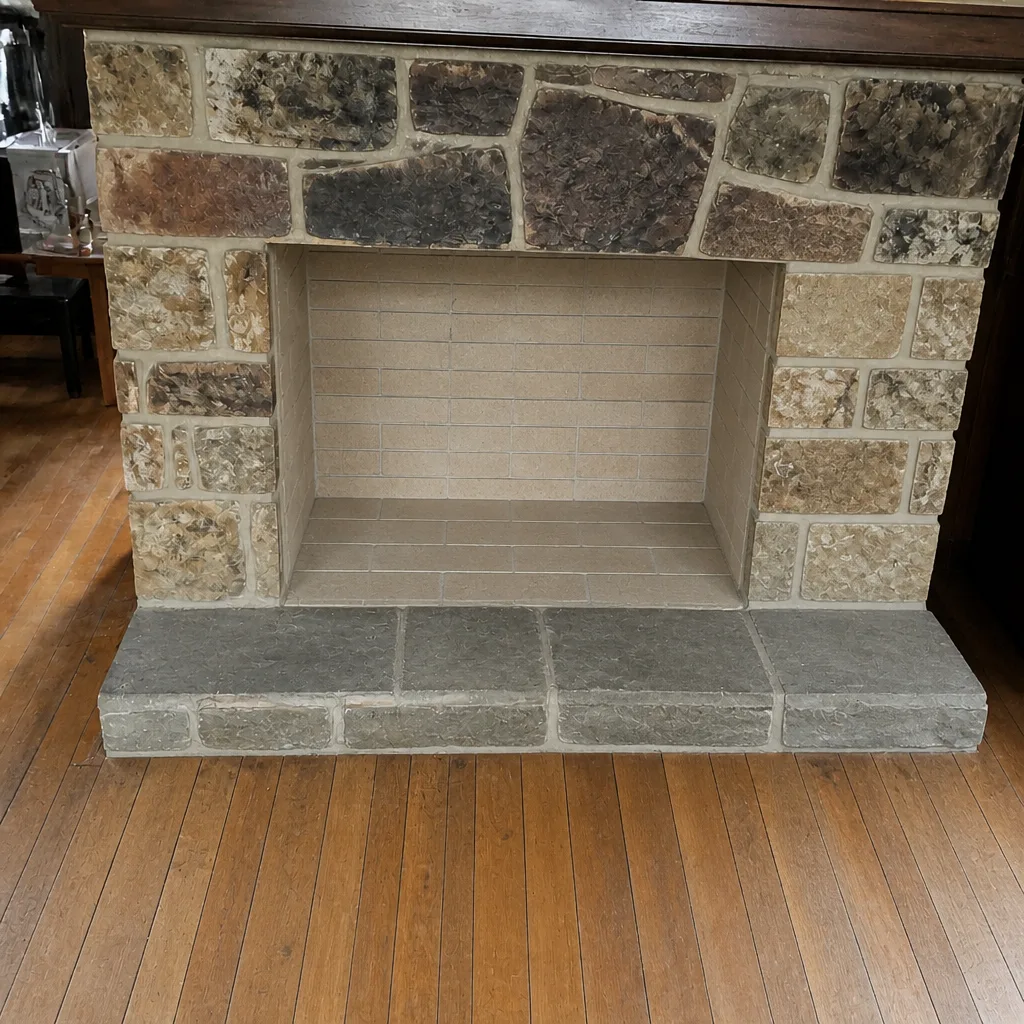
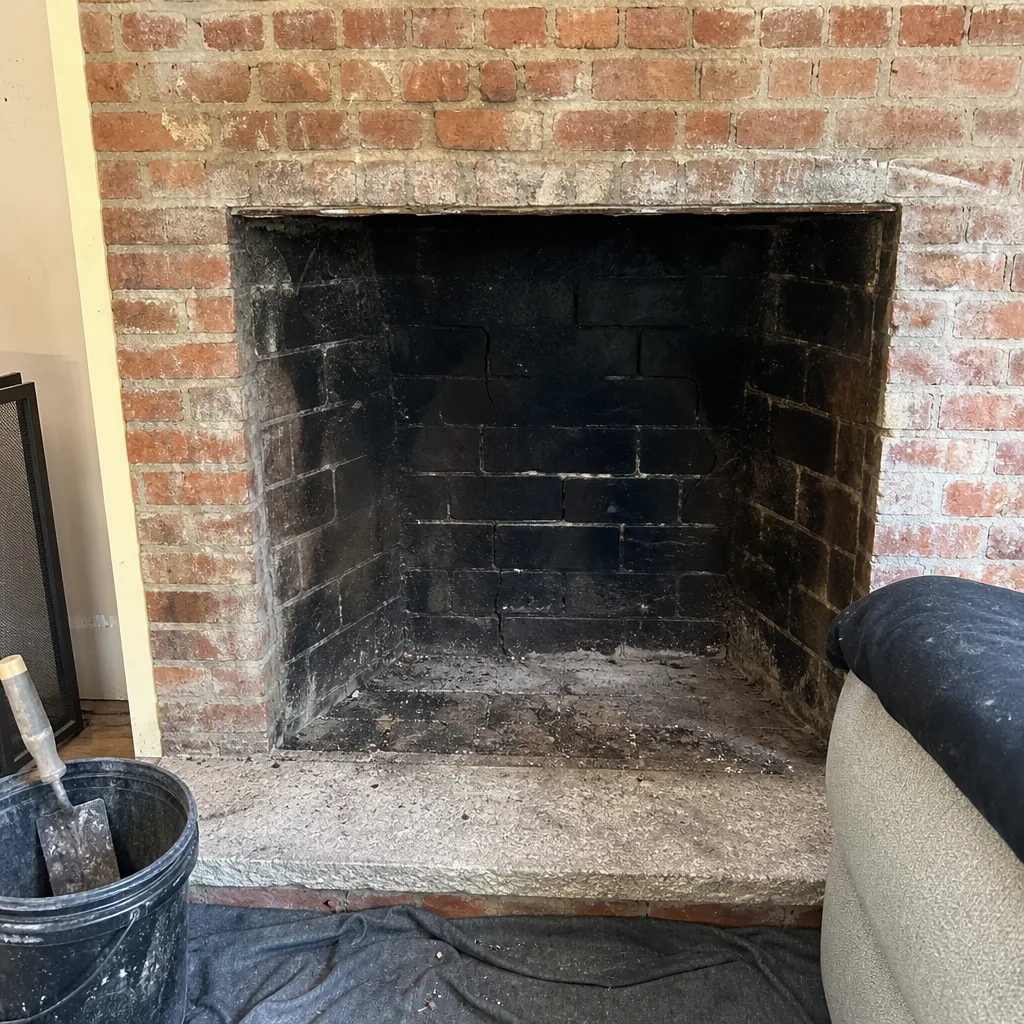
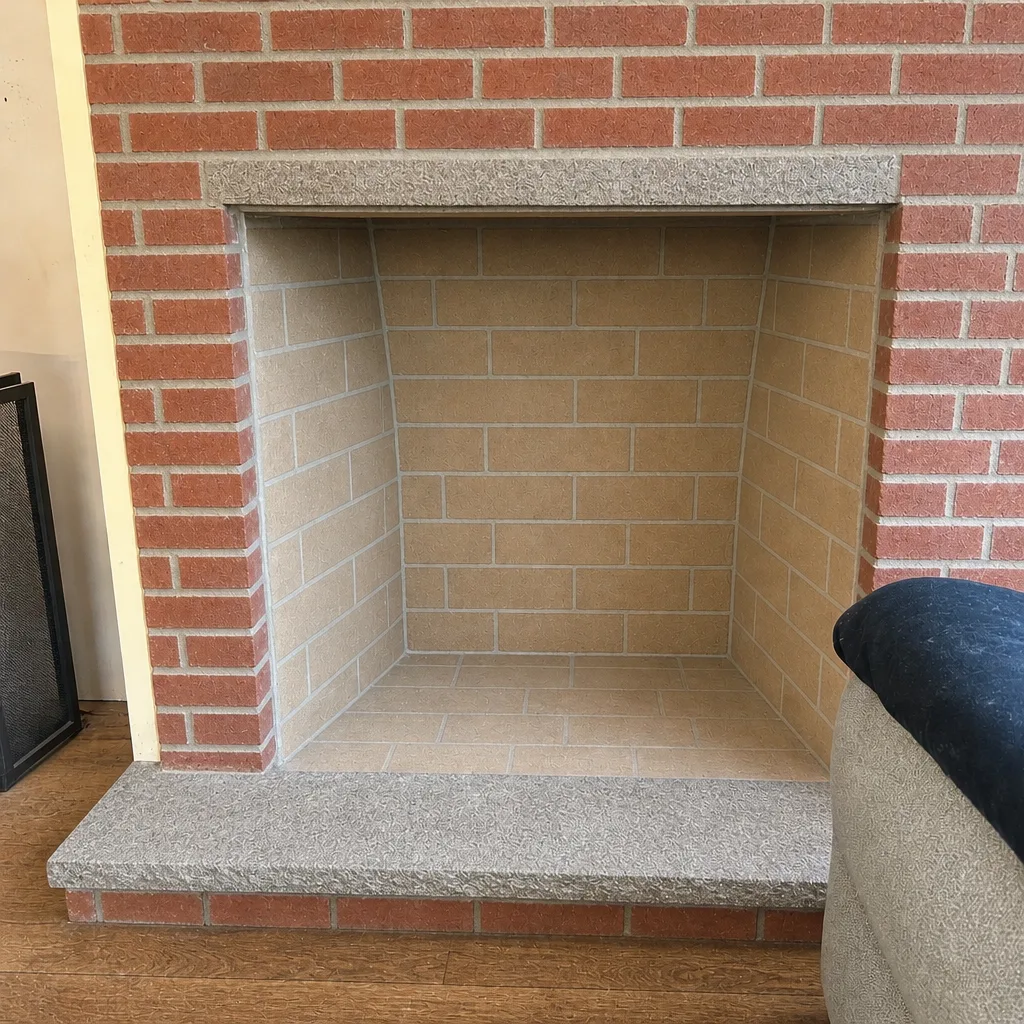
See the difference
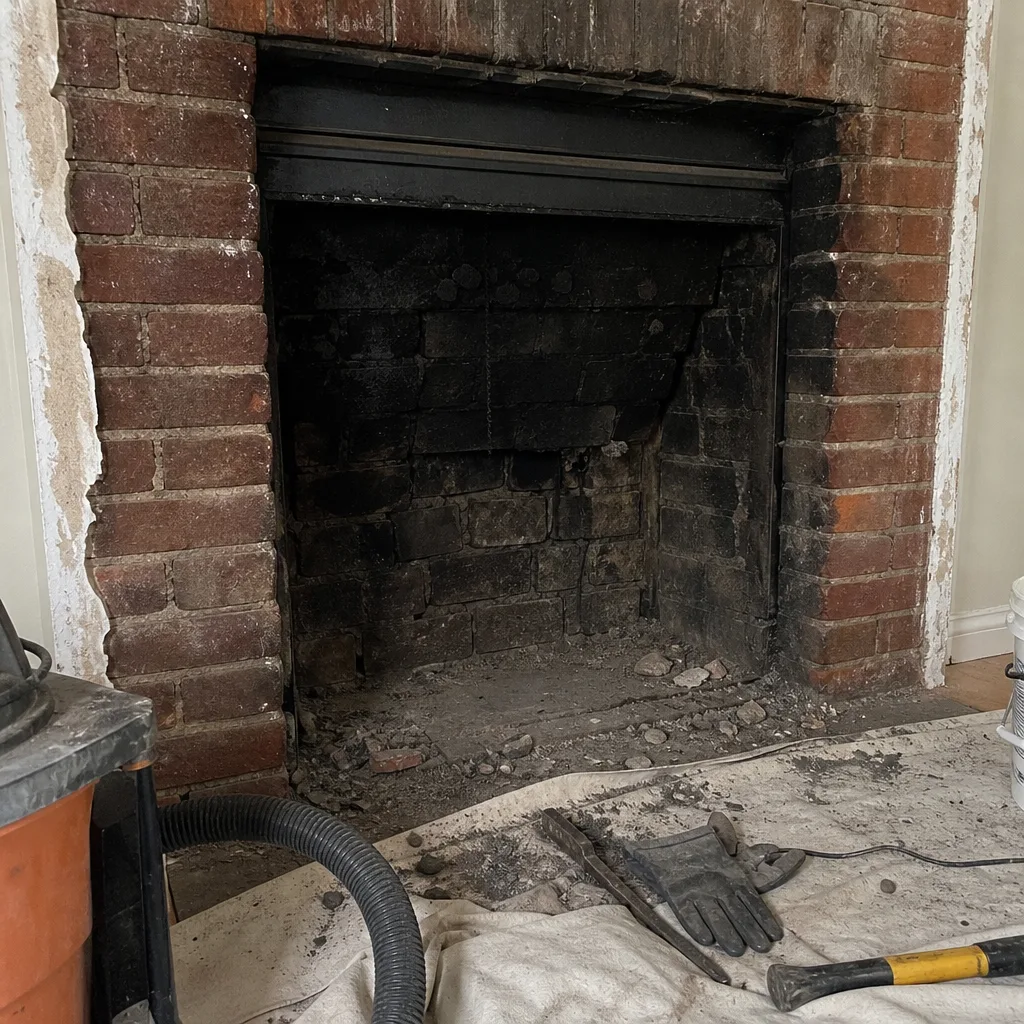 Before
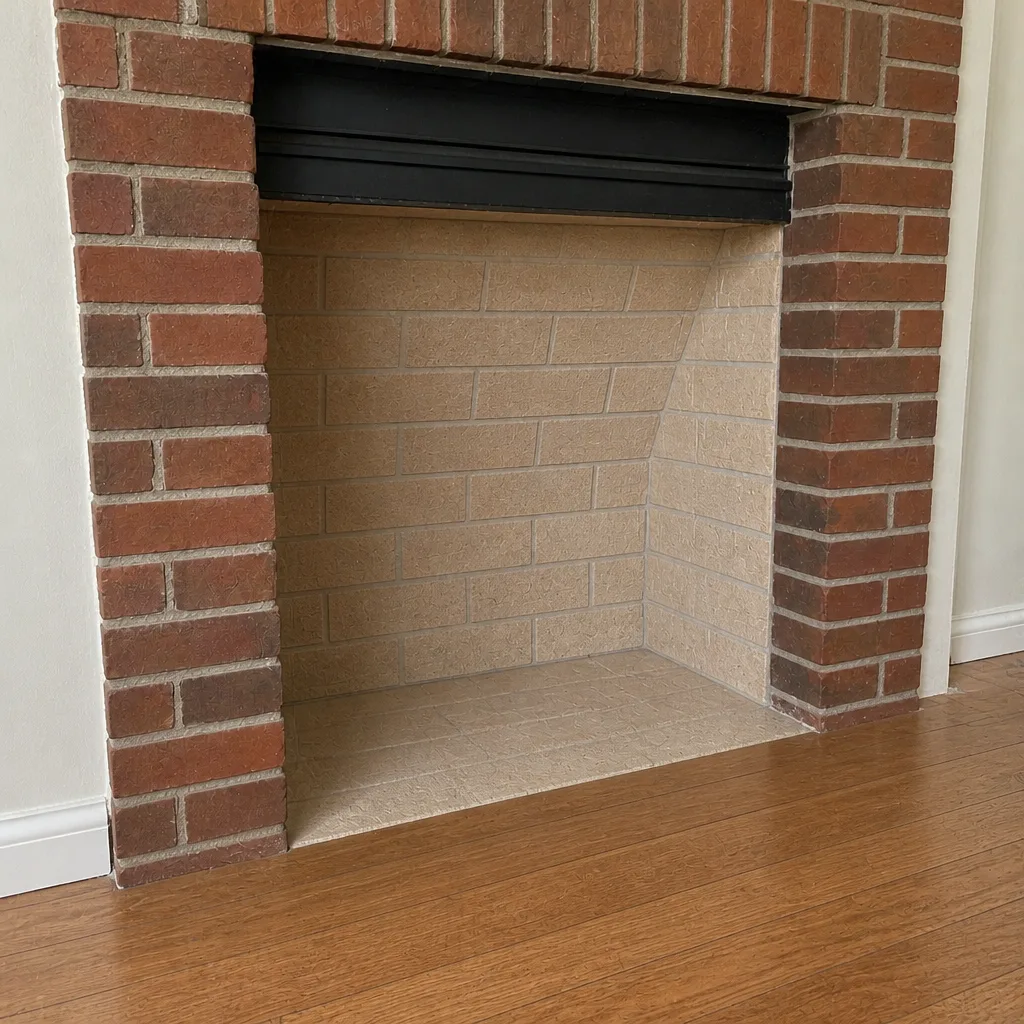 After
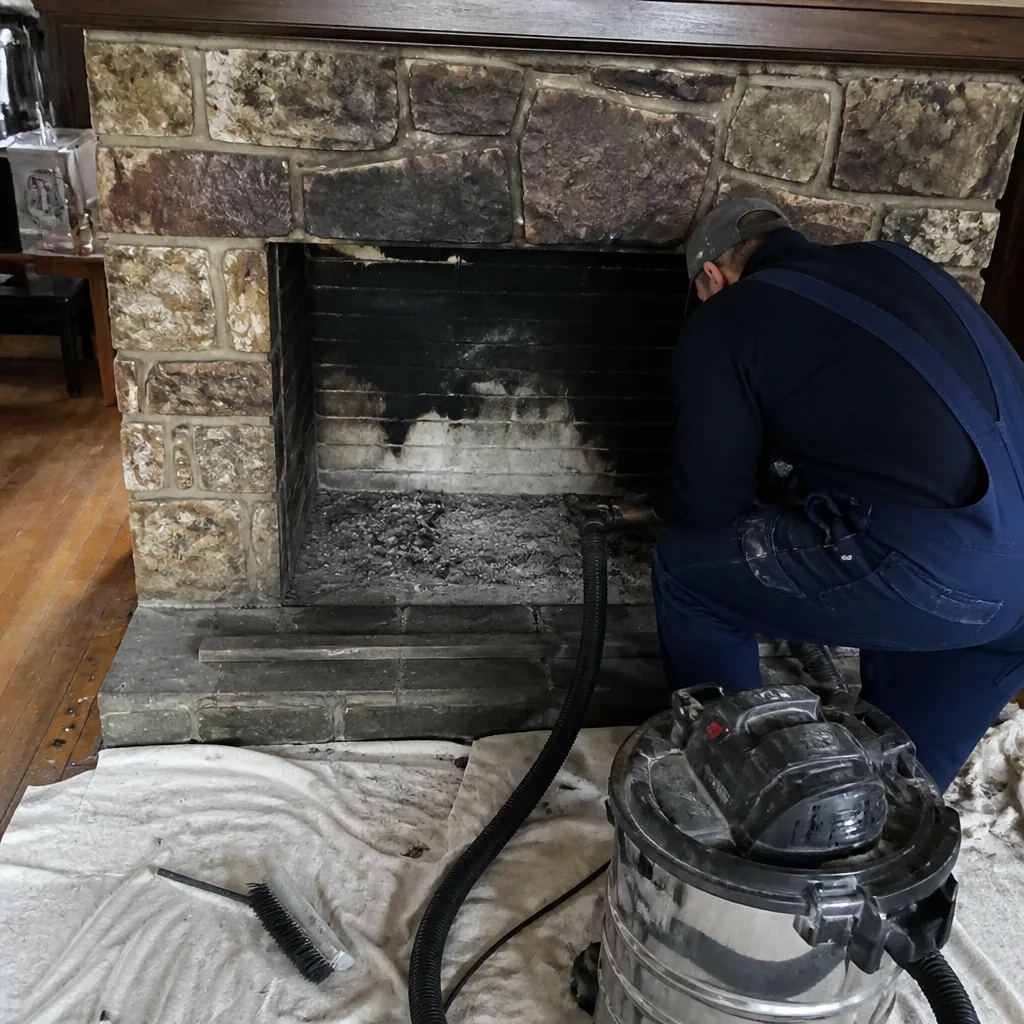 Before
 After
 Before
 After