
Last updated November 25, 2026
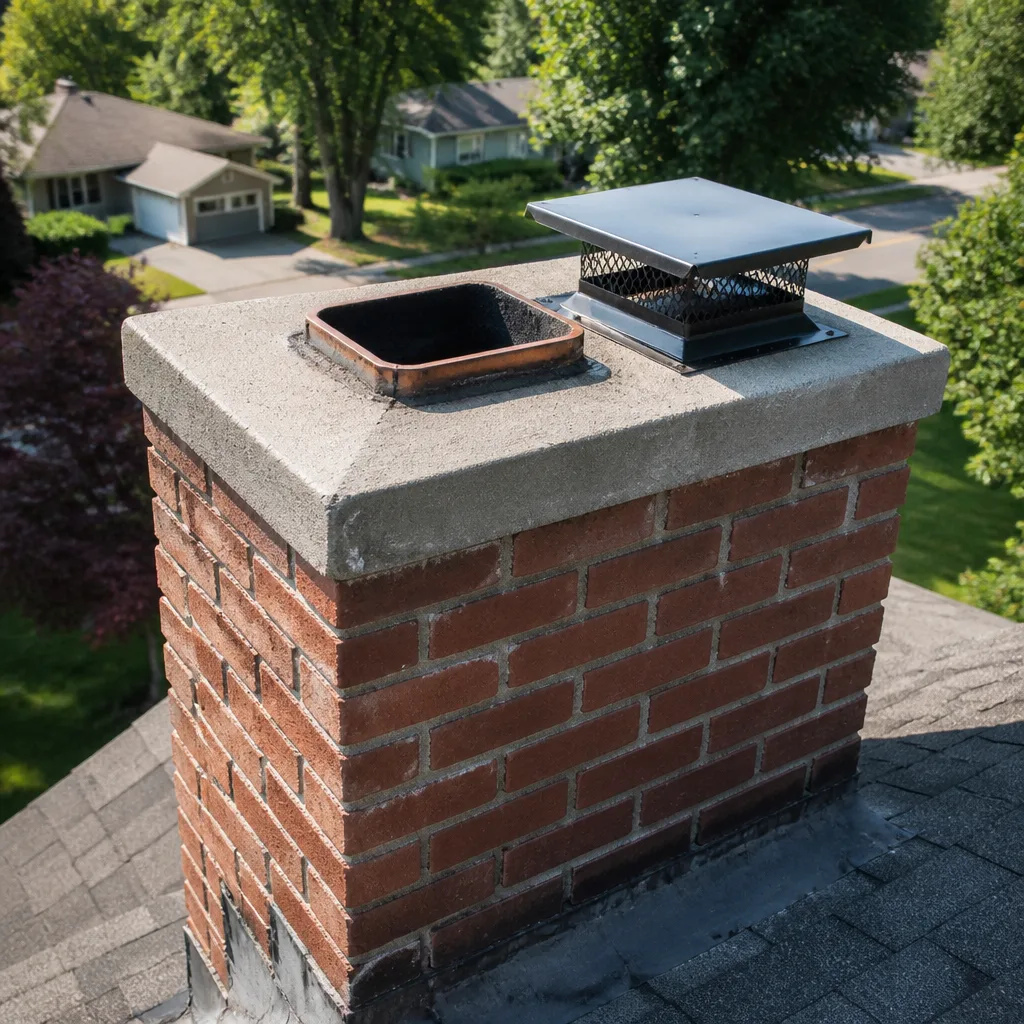 Sweep & inspection
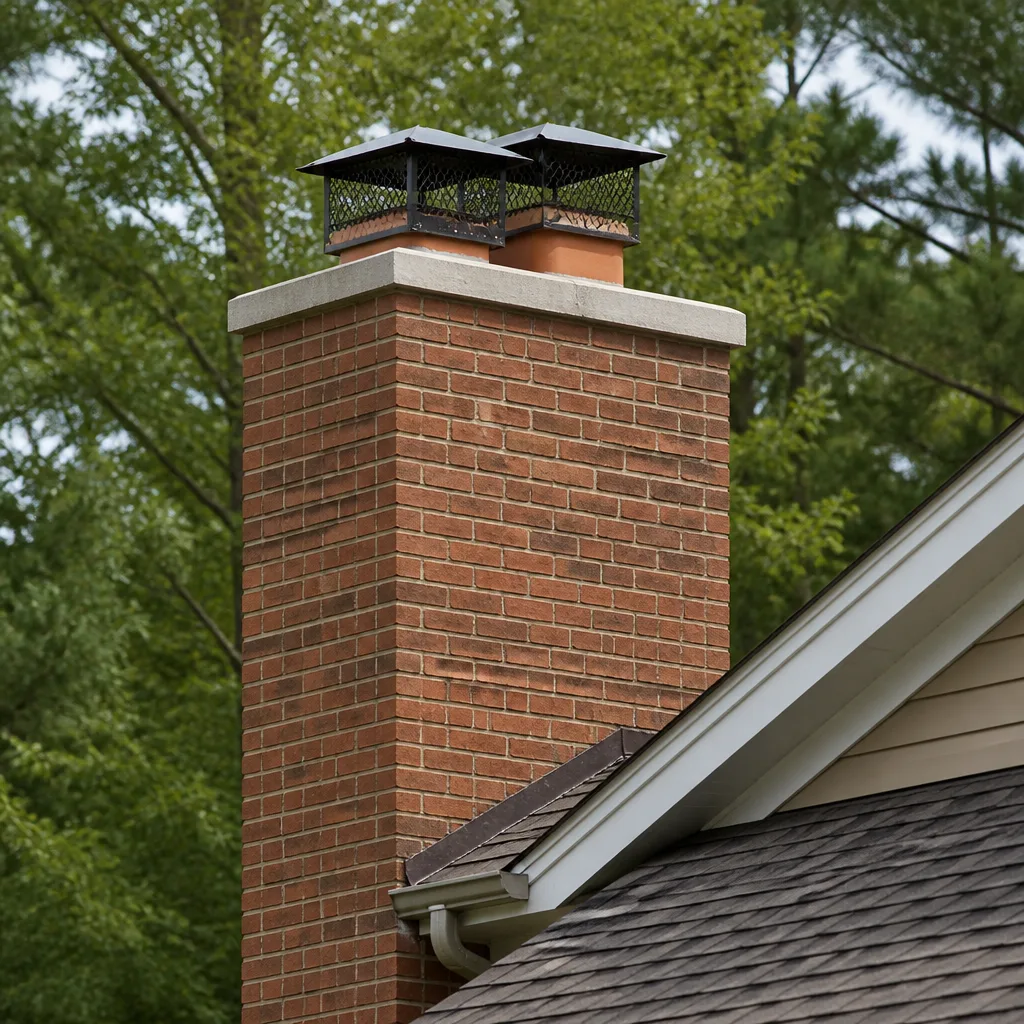 Caps & crowns
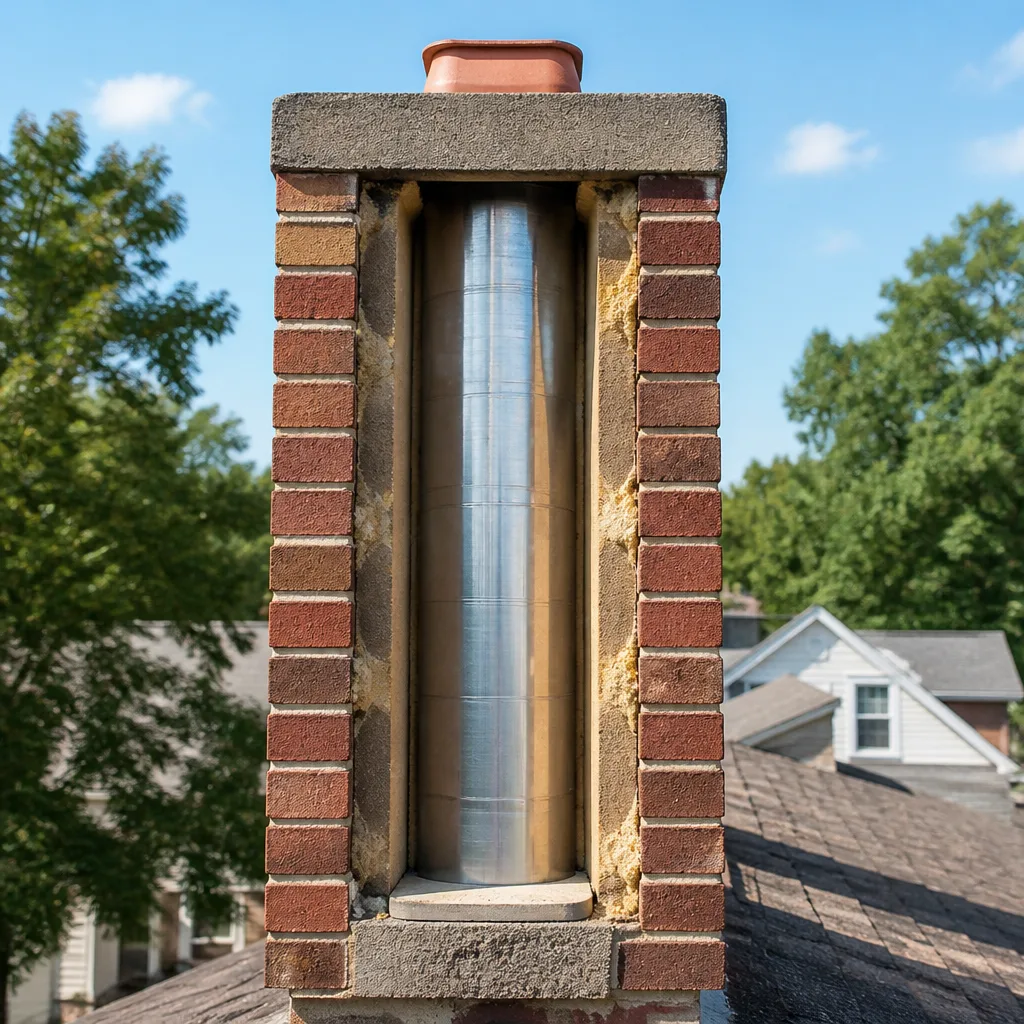 Flue relining
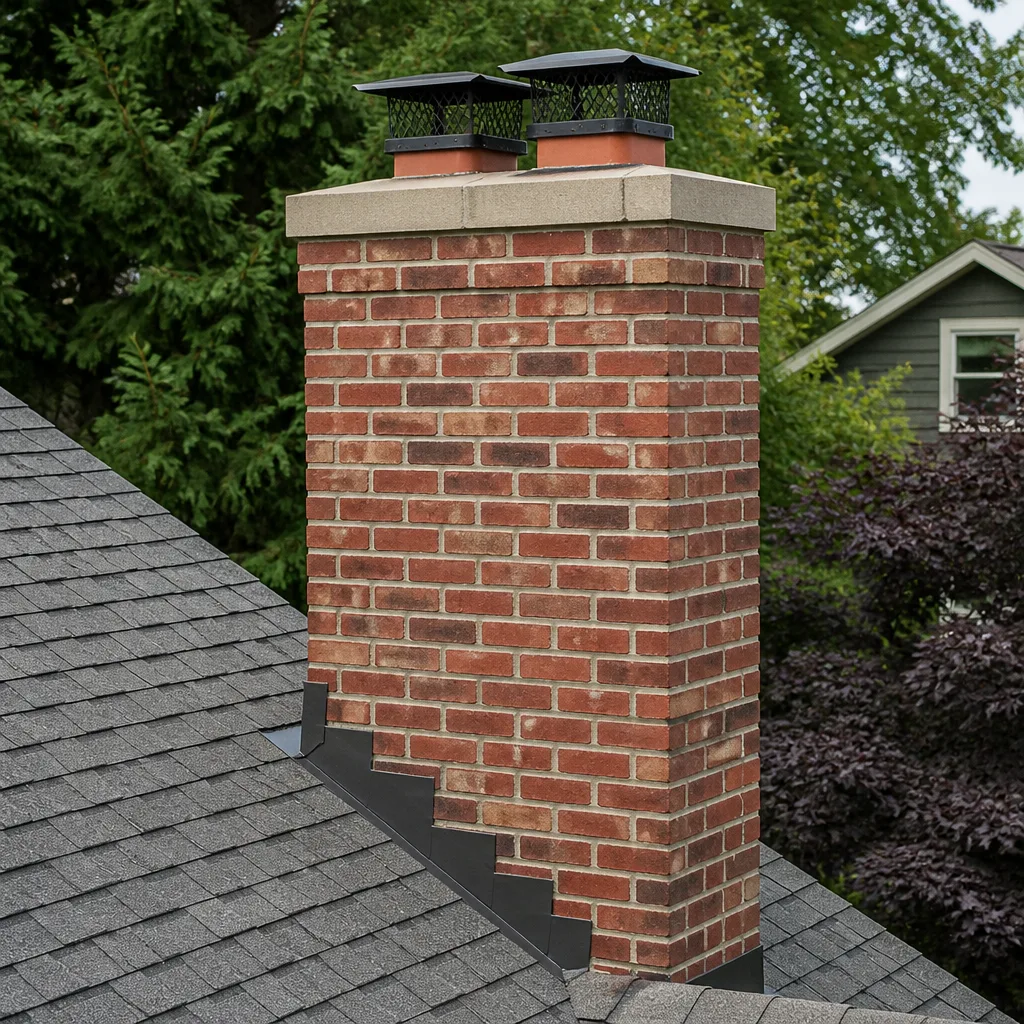 Masonry repair
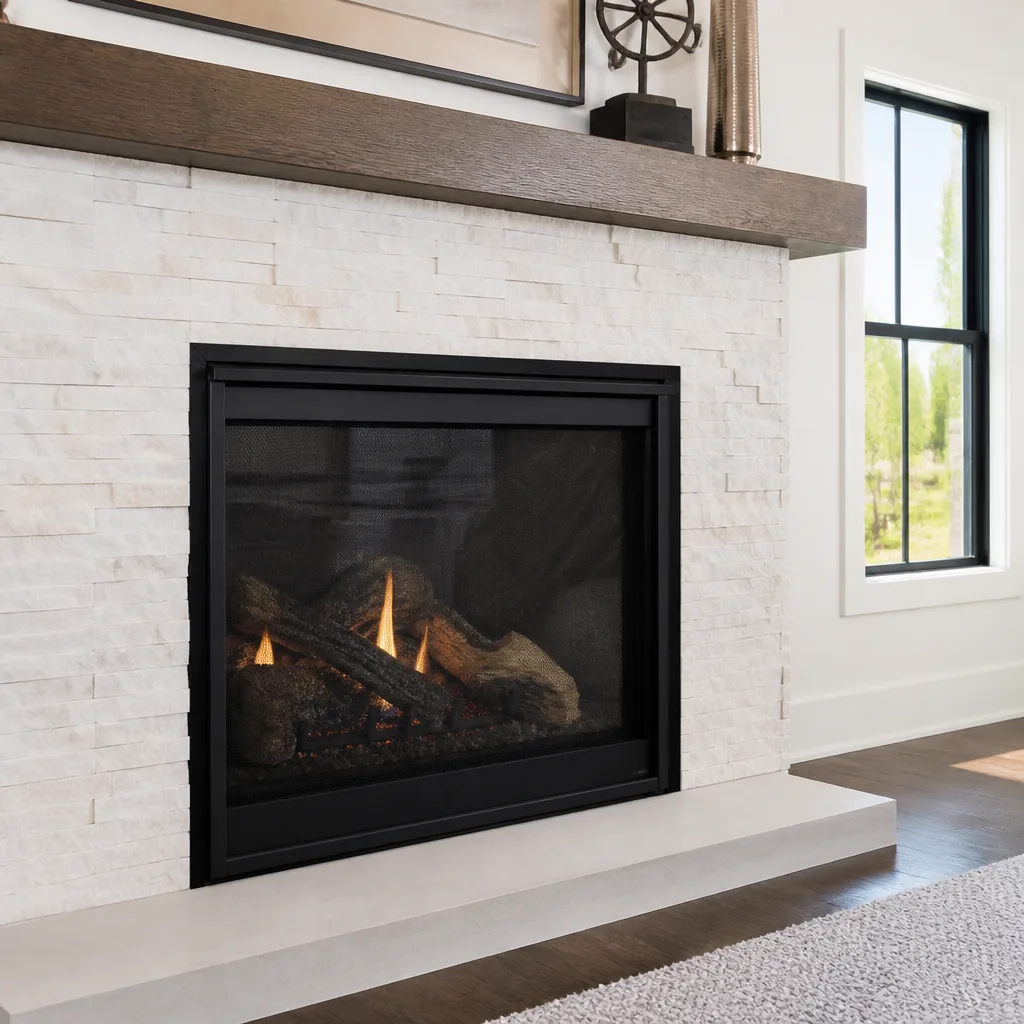 Gas fireplace service
Level 1 sweep and inspection to the NFPA 211 annual standard - flue, crown, cap, and flashing checked and photographed
Chimney sweep logs do not sweep chimneys. They loosen some creosote - which then falls where a brush and vacuum still have to collect it.
The Complete Guide to Chimney Cleaning in Concourse
Most people who book a chimney cleaning think they’re buying one thing: a flue with less soot in it. That’s the smallest part of the job. The National Fire Protection Association puts failure to clean at the top of the list of factors behind chimney fires, and that’s worth sitting with for a second. Soot and creosote are the symptom, not the story. What a proper cleaning actually gives you is a look into a flue you can’t see, behind a damper you rarely open, inside walls that have quietly settled and cracked for decades. This guide walks through what cleaning in Concourse really involves, what a Level 1 inspection should cover, why a masonry house in Concourse behaves nothing like a newer gas insert down the block, and how to read the report you get afterward. By the end you’ll know what to ask for, what to skip, and how to tell a specialist from a low-bid cleaner.
Quick Answer
Chimney cleaning in Concourse means sweeping the flue of soot and creosote and pairing that sweep with a Level 1 NFPA 211 inspection of the whole venting system – firebox, damper, flue, liner, cap, and crown. A cleaning without an inspection tells you the chimney is emptier; the inspection tells you whether it’s safe to burn in another season. The two belong together, and a specialist who skips the second half is leaving you with half the answer.
Styles & brands we work with
- Sweep & inspection
- Caps & crowns
- Flue relining
- Masonry repair
- Gas fireplace service
Table of Contents
- Why a Level 1 Inspection Comes With Every Cleaning
- Creosote Profiles: Older Masonry vs. Newer Gas Inserts in Concourse
- Wood-Burning, Gas, and Oil Flues: Three Different Cleaning Protocols
- What “Chimney Sweep Certification” Actually Means
- What Actually Happens During a Chimney Cleaning
- How to Read the Technician’s Written Report
- When Cleaning Isn’t Enough: Caps, Crowns, and Liners
- What Affects the Cost of a Chimney Cleaning in Concourse
Why a Level 1 Inspection Comes With Every Cleaning
A Level 1 inspection is the basic visual evaluation required by NFPA 211 whenever a chimney is cleaned or after any change in how you use the fireplace. It’s not a camera sweep of the entire flue. It’s a close, methodical look at the readily accessible parts of the venting system – and “readily accessible” covers more than most homeowners assume.
Here’s what a competent Level 1 inspection actually looks at inside the flue and around it:
- The firebox. Cracked firebrick, loose mortar joints, and gaps between the brick and the frame that let heat reach framing.
- The damper. Whether it opens fully, closes tight, and has a throat that isn’t blocked by a broken plate or debris.
- The smoke chamber. The sloped area above the damper where smoke gathers. Rough parging here catches creosote and slows draft.
- The flue itself. Missing mortar, spalled brick, cracks in clay tile liners, and gaps between tile sections – all of which let creosote or gases reach the structure.
- The chimney top. The cap, the crown, and the flue opening. A cracked crown lets water into the masonry, and water is the slow destroyer of most chimneys.
- Connected appliances. If a stove, furnace, or insert feeds into the chimney, the inspection follows the vent connector.
That’s why the Chimney Sweep Concourse approach treats the sweep and the inspection as one visit, not two separate products. We inspect before we recommend, so the cleaning isn’t a black-and-white service with a report bolted on at the end. In our experience across Concourse, the number of chimneys that look fine from the hearth and have a flue problem two feet up is not small. A cleaning without that visual pass is a flue with less soot and the same old unknowns.
Creosote Profiles: Older Masonry vs. Newer Gas Inserts in Concourse
Concourse’s housing stock is a mix, and the chimney that serves a wood-burning masonry fireplace built into a brick house is a completely different animal from the flue serving a gas insert dropped into a renovated parlor. Cleaning them the same way is where a lot of sloppy work starts.
Older masonry fireplaces in Concourse
Pre-war masonry houses across Concourse tend to have large, open fireboxes and tall, unlined or clay-tile-lined flues with irregular surfaces. Rough parging in the smoke chamber and segmented clay tiles catch creosote in ways a smooth modern liner doesn’t. These chimneys build up glaze faster on the shoulders and in the offset where the flue angles back, and they need brushing with the right-diameter tool to actually reach the joints rather than skate across the face of the tile.
The draft matters here too. An older Concourse masonry house with a short chimney above the roofline can suffer from weak draft that pushes smoke back into the room and cools the exhaust before it leaves the stack. Cooler exhaust means more creosote deposition per cord of wood. The cleaning then has to address both the residue and the reason it’s forming.
Newer gas inserts and appliance flues
A gas fireplace doesn’t produce the same wet, tarry creosote a wood fire does – but it does produce its own residue. Gas burns cleaner but can generate a fine grey soot and some corrosion, especially on metal venting when the appliance cycles on and off. Cleaning a gas insert flue means knowing which vent system it uses, because a factory-balanced vent on a modern insert behaves nothing like a masonry flue and shouldn’t be brushed the same way. The inspection on these focuses on the vent termination, the seal between the appliance and the vent, and the condition of the venting on the way out.
Very few companies see the breadth of that mix – older masonry, newer gas, oil appliances – under one roof, and that’s part of what makes a dedicated specialist worth calling in Concourse. We come with the tools for the flue in front of us, not the one we cleaned last.
Wood-Burning, Gas, and Oil Flues: Three Different Cleaning Protocols
The single biggest misconception in our trade is that “chimney cleaning” is one procedure. It’s three, at minimum, and they aren’t interchangeable. The flue you have dictates the protocol: which tools, which chemicals, which inspection points.
1. Wood-burning fireplace and stove flues
These need a mechanical sweep: brushes sized to the flue, worked through the full length, followed by a visual check of the residue type. Creosote has three stages, and only the first – soft, flaky soot – sweeps out easily with a standard brush. The second stage, a crusty glaze, needs more aggressive tools. The third, glazed and glassy creosote, often needs a chemical treatment and a follow-up before it’s fully removed. The rating of stage 1 versus stage 2 versus stage 3 is one of the key things the inspection tells you, and it directly shapes how much cleaning time the job will take.
2. Gas appliance flues
Gas flues generally get a lower-intensity clean and a more careful inspection of the vent termination and appliance connection. The risks are different – a separation anywhere in the vent system is more important than a soot load. Gas work also can’t be treated like wood-flue work, because the venting is often smaller in diameter and made to specific manufacturer tolerances. We check that the vent is intact end-to-end and that it’s correctly sealed into the appliance.
3. Oil furnace flues
Oil exhaust produces a soot with a different texture, and oil-fired equipment requires its own inspection points, including the barometric damper and the vent connector. An oil flue that’s vented through a masonry chimney gets cleaned with a different brush set and then inspected for the fine soot film that points to a combustion issue at the furnace itself. That’s a conversation with your heating technician, not just a chimney call – and we’ll tell you which one you need.
That’s the practical reason to call a specialist who can tell the difference: the same chimney sweep visit looks completely different depending on what’s venting through the stack.
What “Chimney Sweep Certification” Actually Means
“Certified” is a word that gets thrown around loosely, and in Concourse it’s worth knowing exactly what it means before you book. There are two main credentials you’ll come across, and they’re not the same thing.
- CSIA (Chimney Safety Institute of America) certification. This is the industry’s general sweep-and-inspection credential. It certifies a technician has been trained and tested on sweeping, inspection, and venting principles. It’s the one most homeowners look for and the most common baseline.
- NFI (National Fireplace Institute) certification. This is specific to hearth appliances – gas, wood, pellet – and is oriented around installation and service of the appliance itself, not general sweeping.
What matters for you as a Concourse homeowner is that the person entering your home is trained and has demonstrated competence in the work in front of them. A CSIA-certified technician is a solid baseline for the sweep and the visual inspection. NFI training becomes relevant if you’re having a gas insert serviced or a wood stove worked on.
None of that is a license to skip the questions. Ask what certification the technician holds and what inspection they perform. The answer should be clear, not a deflection. Our technicians have up to 11 years of experience, and we choose materials from brands the trade recognizes – Olympia Chimney, Famco, Copperfield, and others – because the parts you can’t see are the ones that matter most. The specialists we connect you with spend their working lives on chimneys, and they’ll explain the reasoning behind every recommendation.
What Actually Happens During a Chimney Cleaning
Here’s the sequence a thorough chimney cleaning follows. It’s the same shape whether it’s an older Concourse masonry fireplace or a modern gas insert – the steps stay, the specifics change.
- Protect the room. Drop cloths on the hearth, floor coverings, and a fitted cover over the fireplace opening. This is non-negotiable, because a chimney swept without containment is a chimney swept onto your furniture.
- Inspect before sweeping. Evaluate the firebox, damper, smoke chamber, flue, cap, and crown. Note the creosote stage now, before the brush disturbs it.
- Sweep the flue. Brush from the top or bottom depending on the flue and the creosote. Work the full length with a brush sized correctly for the flue diameter.
- Handle the firebox and smoke chamber. Clean the firebox if it’s part of the agreed scope, and check the smoke chamber for rough surfaces that need smoothing.
- Clear the ash and debris. Everything swept down gets removed and hauled away, not left in a pile.
- Re-inspect under light. Look down the flue again with a light. Cracks and gaps that were hidden by soot become visible now.
- Write up the findings. The report is the real deliverable – more on reading it below.
Much of the work is done from outside and up top, not from inside the room. That’s why a proper top-down inspection can catch a loose cap or a cracked crown that a hearth-only visit never sees.
How to Read the Technician’s Written Report
The paper or PDF you get after a cleaning separates the work that has to happen from the work that can wait – and a good specialist will tell you plainly which is which. Here’s how to sort the findings.
Non-negotiable action items
- Cracks or gaps in the flue liner that let gases escape into the structure. Carbon monoxide doesn’t announce itself, and a compromised flue is a venting path in the wrong direction.
- A missing or damaged cap that leaves the flue open to animals and rain. This is quick to fix and prevents a much bigger problem.
- Heavy glazed creosote in stage 3 that the sweep couldn’t remove mechanically. It needs treatment before the next fire.
- A damaged or missing chimney crown that lets water into the masonry stack.
- Any gap or separation in a gas or oil vent connector.
Items you can plan for
- Cosmetic cracking in the firebox brick that isn’t through the full depth.
- A slightly eroded crown that’s intact but will need attention in a year or two.
- Minor mortar wear in the cap area, or a cap that’s working but old.
That line between the two lists is where a lot of homeowners get talked into thousands of dollars of work they can’t verify. The honest answer is simple: nothing should be recommended without evidence you can see in the report yourself, and if the work can safely wait, a specialist should say so and let you decide when. The work that has to happen now is the work that protects you from a fire or a carbon monoxide problem this season. Everything else is a conversation.
When Cleaning Isn’t Enough: Caps, Crowns, and Liners
A cleaning that turns up a cracked crown or a failing liner isn’t a wasted visit – it’s exactly why the cleaning and the inspection travel together. A flue can be swept perfectly and still be unsafe to light, because the ceramic tile liner inside it is the barrier between your fire and the wood framing of the house.
The good news is the fix usually lives within the same visit. A chimney cap & crown repair handles the top of the chimney – the cap keeps rain and animals out of the flue, and the crown sheds water off the masonry stack so it doesn’t soak into the brick and freeze. Both are moisture-protection work, and both are the kind of thing that’s far cheaper to fix now than after a winter of water ingress into older Concourse masonry.
For a failing liner, we turn to chimney repair using professional-grade relining materials like DuraFlex and HeatShield. Those are the brands chimney professionals specify for a reason – the liner is the part of the chimney nobody looks at after the day it’s installed, and it needs to last. We pair inspection and repair on purpose. Identify a problem, explain it with what the inspection showed, and fix it in the same scope of work – not hand you a report and walk away.
A word on safety. The flue, the crown, and the liner sit behind the fire you light every winter, and the work involves working safely at height and around a combustion system. This is not a job for a homeowner with a ladder and a brush, and it’s not a task to improvise around. Leave the inspection and repair to a trained professional.
What Affects the Cost of a Chimney Cleaning in Concourse
Chimney cleaning is priced per job, not per hour, and the written estimate sets the final number. What moves the estimate up or down is largely the same set of factors across Concourse:
- Creosote stage. A light soot sweep is one thing; stage 2 and stage 3 creosote take more time, more tooling, and sometimes a chemical treatment.
- Flue and appliance type. A wood-burning masonry fireplace, a gas insert, and an oil furnace flue are three different jobs.
- Access. Height and roof access on a Concourse house affect the work.
- Whether a cap or crown needs repair. A routine cleaning on a sound chimney quotes one figure; a cleaning plus a crown repair quotes another.
- What the inspection turns up. Anything structural is quoted separately and only with supporting evidence.
Every estimate from Chimney Sweep Concourse is free, and the price is set per job. There’s no per-hour meter running and no surprise line items – the written estimate is the number, and the work is agreed before anyone schedules the visit.
Common Mistakes to Avoid
- Booking a cleaning without a Level 1 inspection. The sweep is half the job. A flue emptied but never checked is a flue with the same old cracks in it, none of which you’ve been told about.
- Assuming a gas fireplace never needs attention. Gas inserts still need their vent checked, their appliance connection inspected, and their terminations cleared. It’s a different job, not a skipped one.
- Trusting a quote you can’t verify. If someone tells you your liner is failing, ask to see the evidence in the report. A specialist who can’t show it shouldn’t be quoting it.
- Choosing the lowest bid. A low-bid sweep that skips the inspection, the cap check, and the report gives you a cheap visit and no information. In Concourse, the cost of the information you didn’t get lands on the next winter.
- Ignoring the crown. A cracked crown lets water into the chimney stack, and water damage in older masonry is the slow, expensive kind. Fixing a crown is cheap; a re-built stack is not.
- Assuming all “certified” technicians are the same. CSIA and NFI certify different things. Ask which one applies to your flue and appliance.
- Waiting until the first cold week. In Concourse the run-up to heating season is the busy stretch. A cleaning booked before the first fire is a cleaning with room to fix whatever the inspection finds.
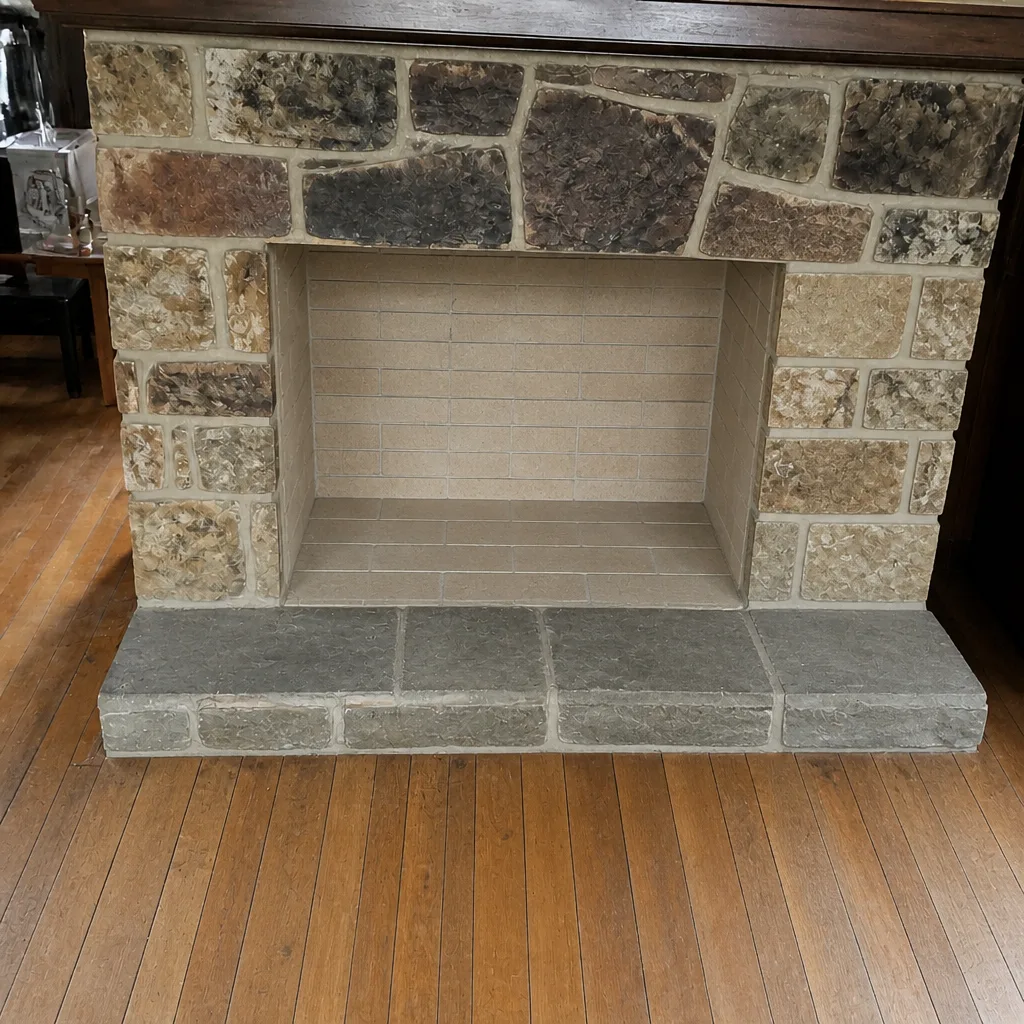
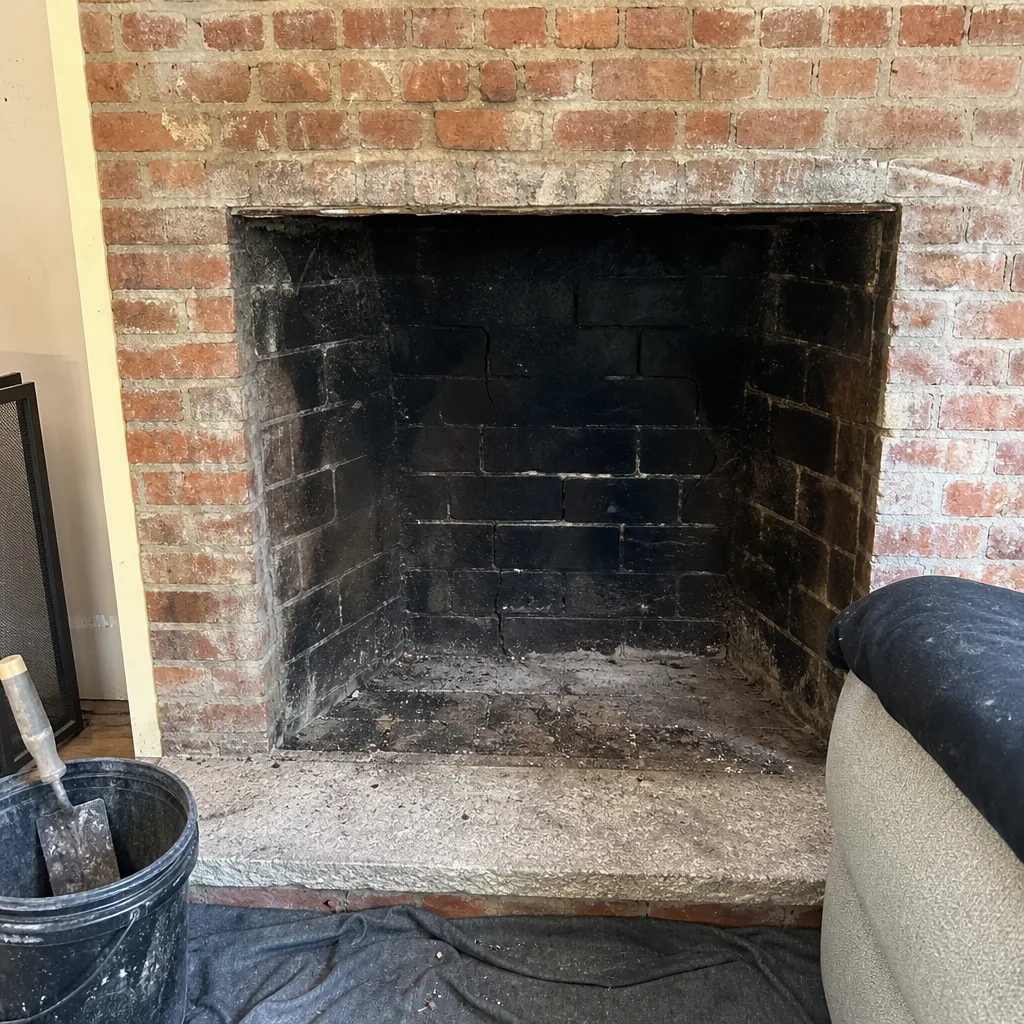
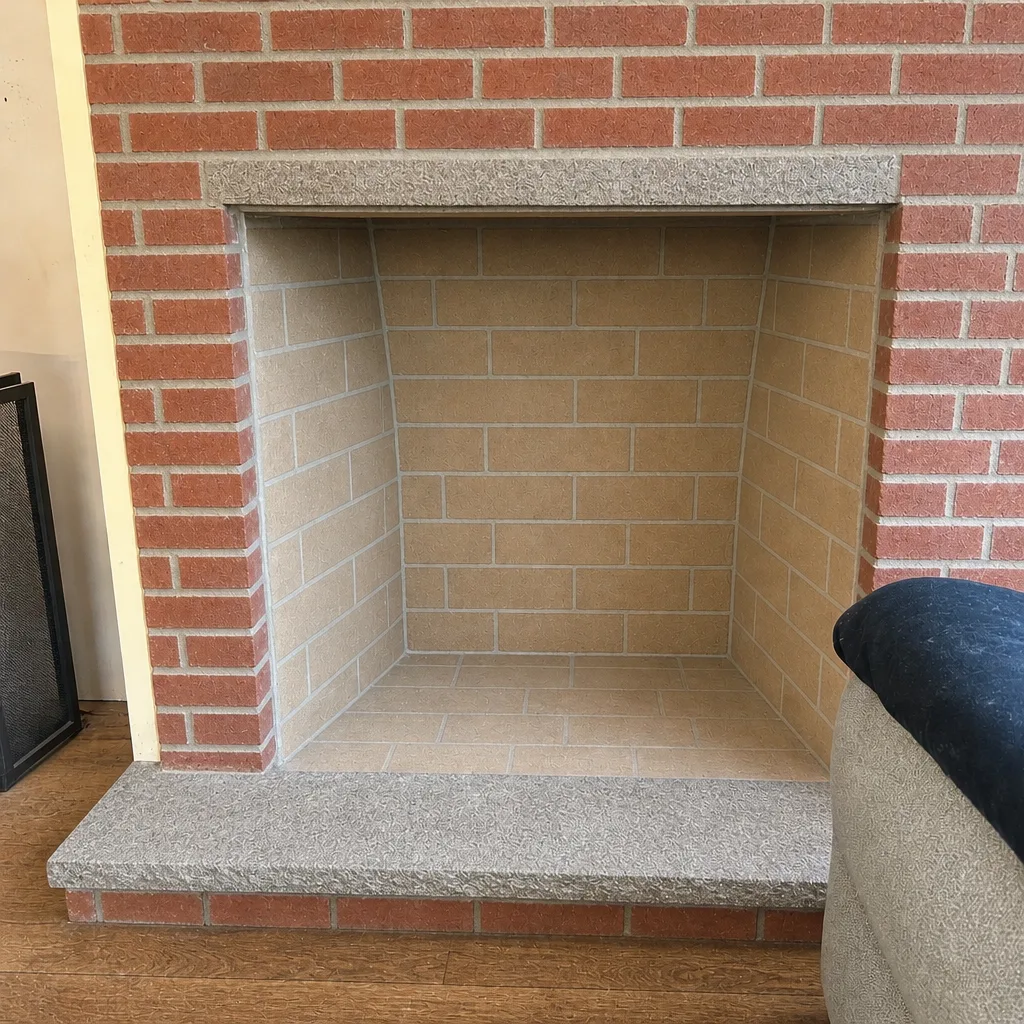
See the difference
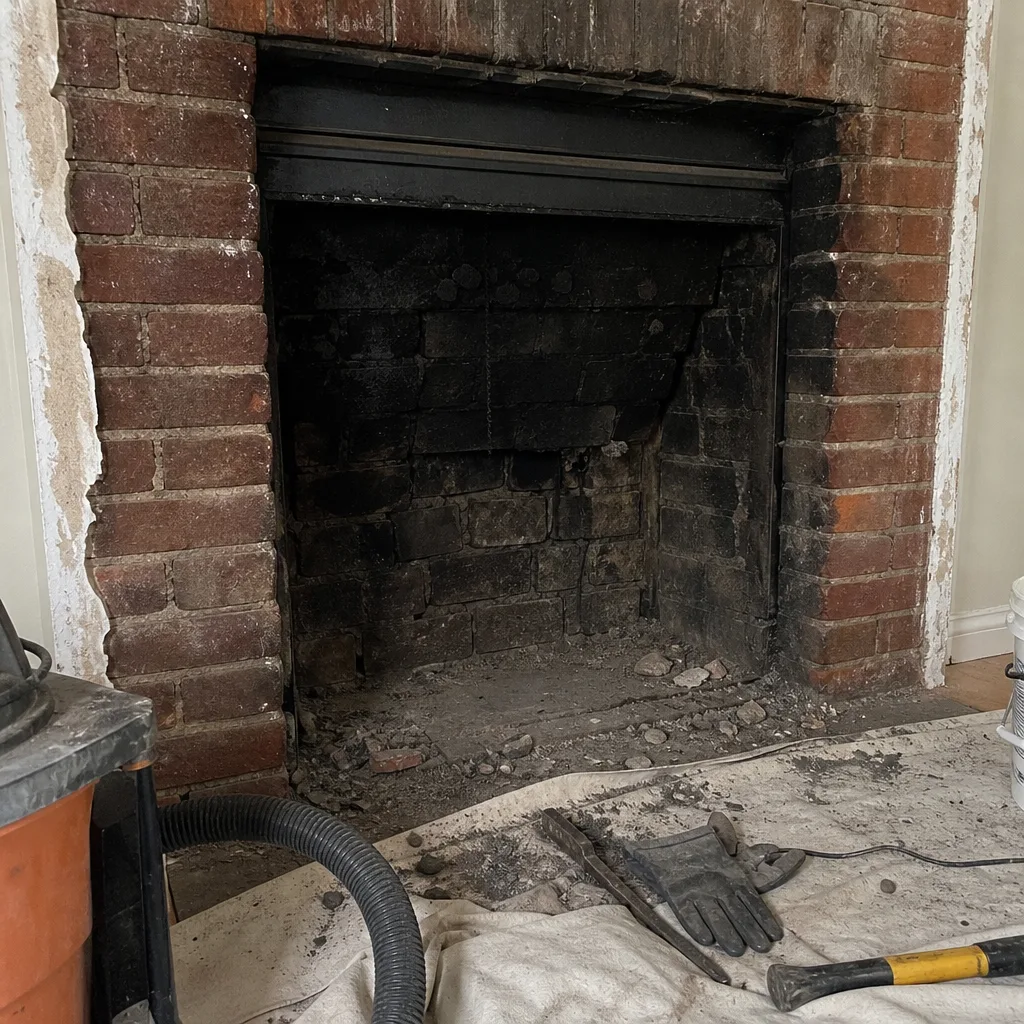 Before
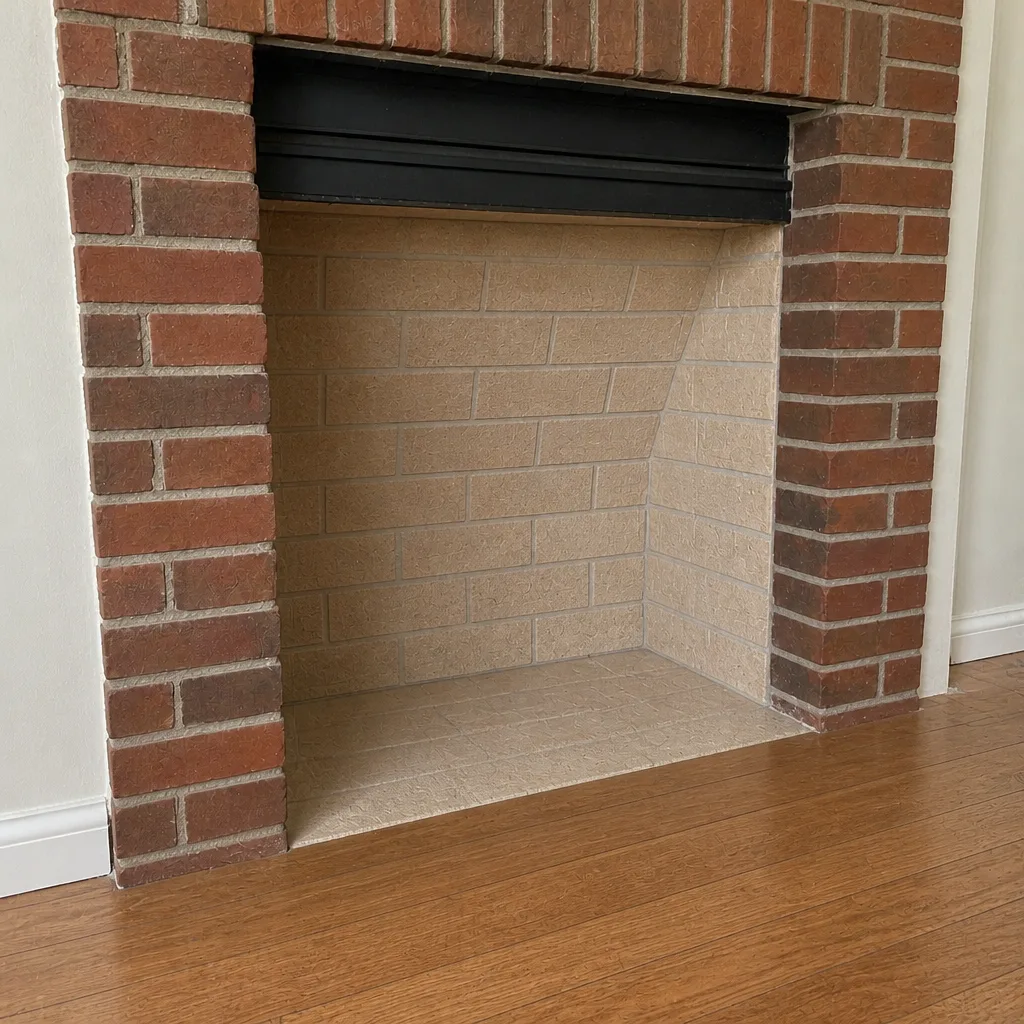 After
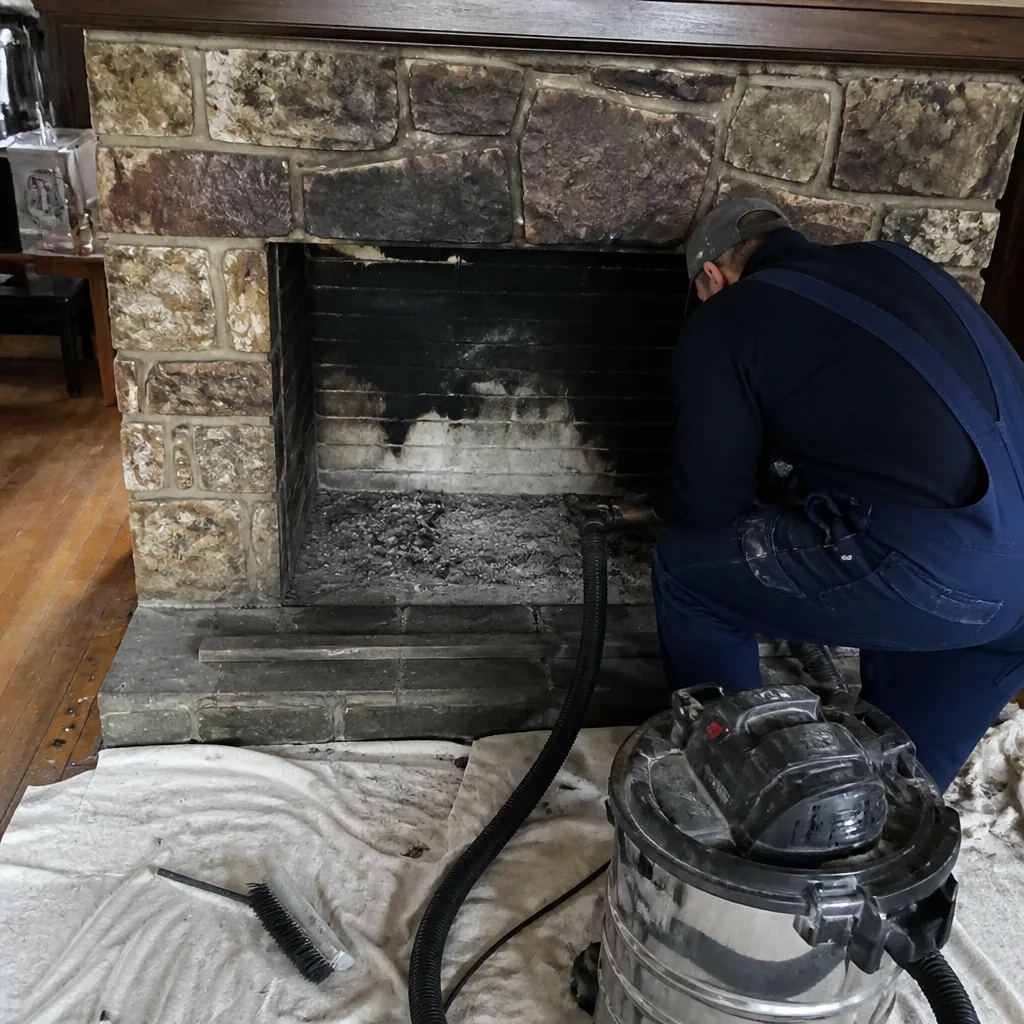 Before
 After
 Before
 After
When to Call a Professional
Call a specialist when you’ve burned a season’s worth of wood since the last sweep, when you’ve noticed smoke rolling back into the room, or when you smell a strong, acrid odor from the fireplace with no fire lit. Call if you’ve moved into a Concourse home and don’t know when the chimney was last cleaned. Call before you light the first fire of the season. Call if you’ve changed fuels, replaced an appliance, or had a gas insert installed – the vent may not match the new appliance. And call if a cleaning was done without an inspection and you were handed a flue and nothing else.
For the repair side, a certified chimney repair specialist should handle any crown, cap, or liner work rather than a general handyman, because those parts sit behind the fire you light every winter. Chimney Sweep Concourse offers free estimates in Concourse – call (877) 792-5845.
Frequently Asked Questions
Once a year is the working rule for a wood-burning fireplace in active use, and more often if you burn heavily through the winter. The precise answer comes from the annual inspection – the sweep should be driven by what the flue shows, not just by the calendar. If you burn a cord a year or more, or the inspection finds heavy creosote, the interval shortens.
Only if the inspection shows the existing liner is cracked, gapped, or otherwise failing to contain fire and gases. A sound liner needs no replacement. A failing one is a venting problem in a system that’s supposed to protect your house. The decision should be based on visible evidence in the report, and a specialist should show it to you before quoting a reline. If the work can wait, they should tell you so.
Creosote accumulates, and the risk of a chimney fire rises with it – failure to clean is the leading factor in chimney fires, per the NFPA. The other consequence is invisible: a flue that’s developed a crack or lost a cap goes unnoticed until it’s a much bigger repair. Skipping a cleaning doesn’t cost nothing; it just delays the cost until it’s higher.
Yes, and it’s a different procedure from a wood flue. Gas inserts get their vent checked end to end, their termination cleared, and their appliance connection inspected for separation. It’s not the same brush-and-go as a masonry fireplace, and it isn’t a service to skip just because there’s no visible soot.
Yes – someone should be there to give access, show the technician the fireplace, and go over the report at the end. A chimney cleaning is a diagnostic visit as much as a cleaning, and the findings are best talked through with the homeowner present.
A Level 1 inspection is the visual evaluation that comes with a standard cleaning and is enough for most routine visits. A camera inspection becomes relevant when the Level 1 turns up a concern inside the flue, or when there’s a reason to look further into the venting. Your specialist should tell you which one your chimney calls for, and why.
The Bottom Line
Chimney cleaning in Concourse is a diagnostic visit with a sweep built into it. The soot removal matters, but the inspection matters more – it’s the only way you learn whether the flue, liner, firebox, cap, and crown are sound enough for another heating season. What you’re paying for is information, and the report is the deliverable. A good specialist reads the creosote stage, sorts the findings into “this has to happen” and “this can wait,” and shows you the evidence before recommending any repair. Everything from the sweep to the cap and crown work to a liner repair can be handled by one specialist, so you’re not juggling contractors. Call (877) 792-5845 for a free estimate. We answer 24/7. Fast dispatch from 7am to 7pm, Sunday through Friday.
Written by the team at Chimney Sweep Concourse.