
Last updated November 25, 2026
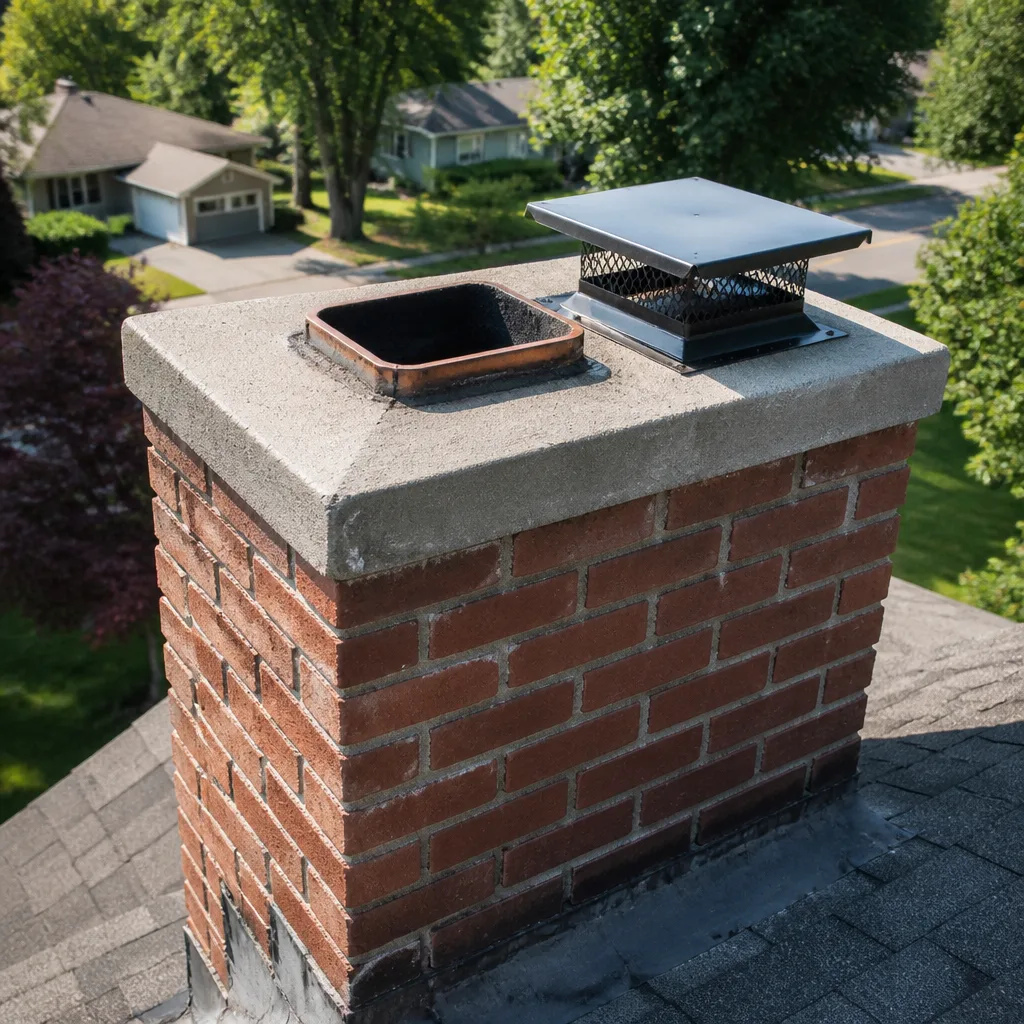 Sweep & inspection
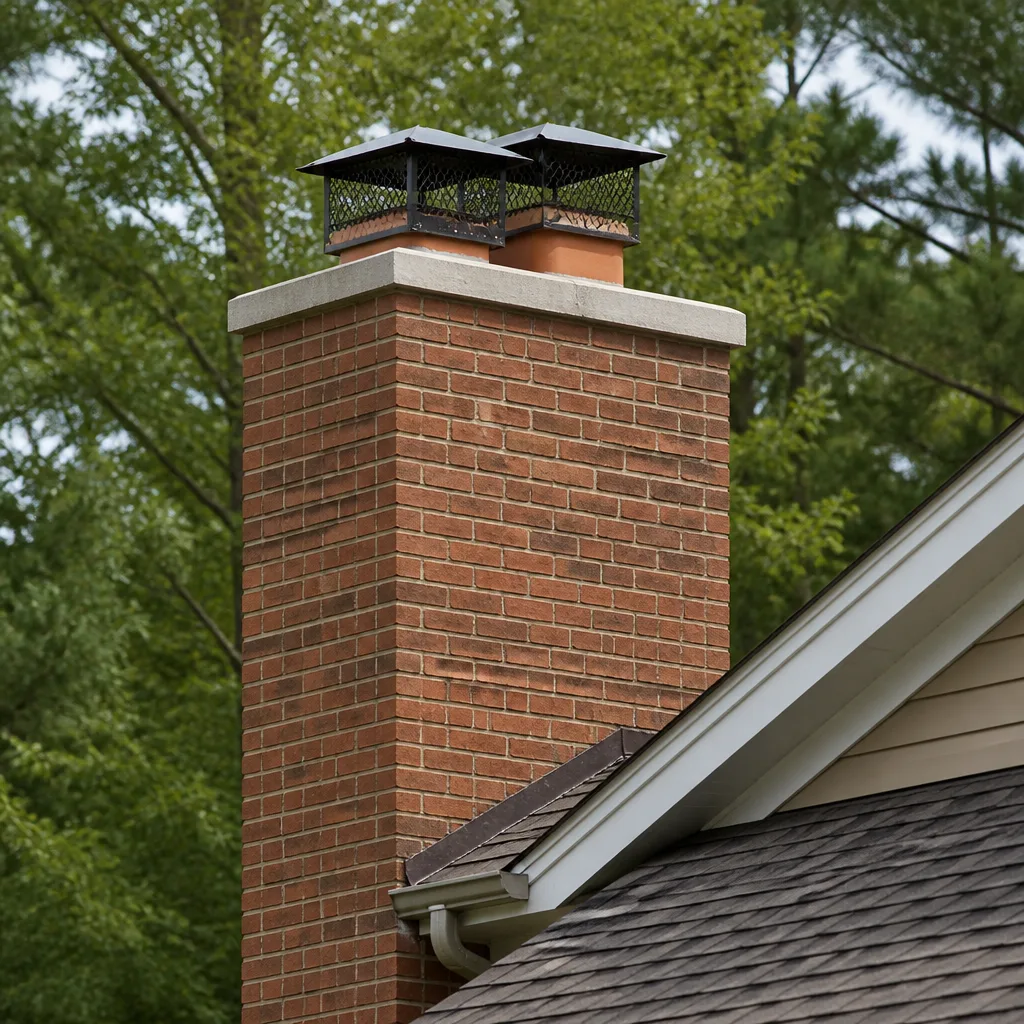 Caps & crowns
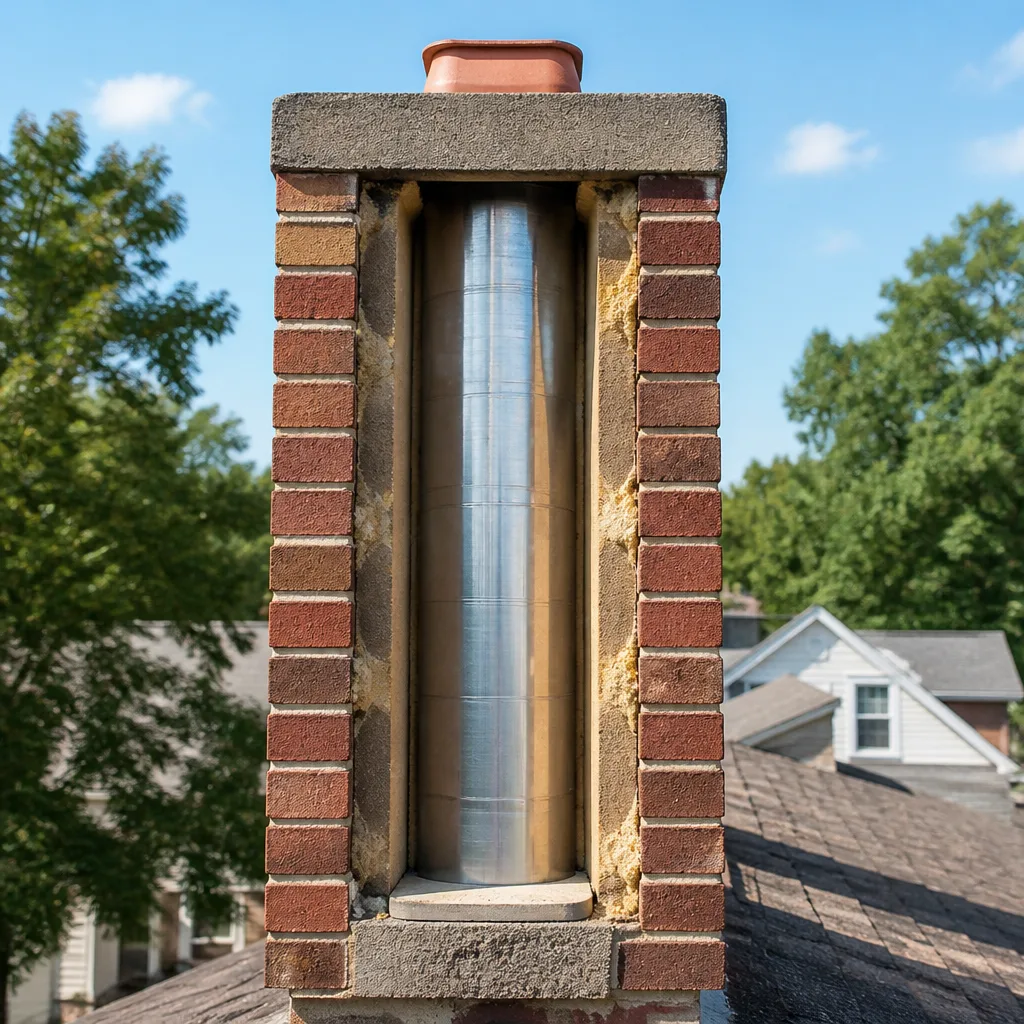 Flue relining
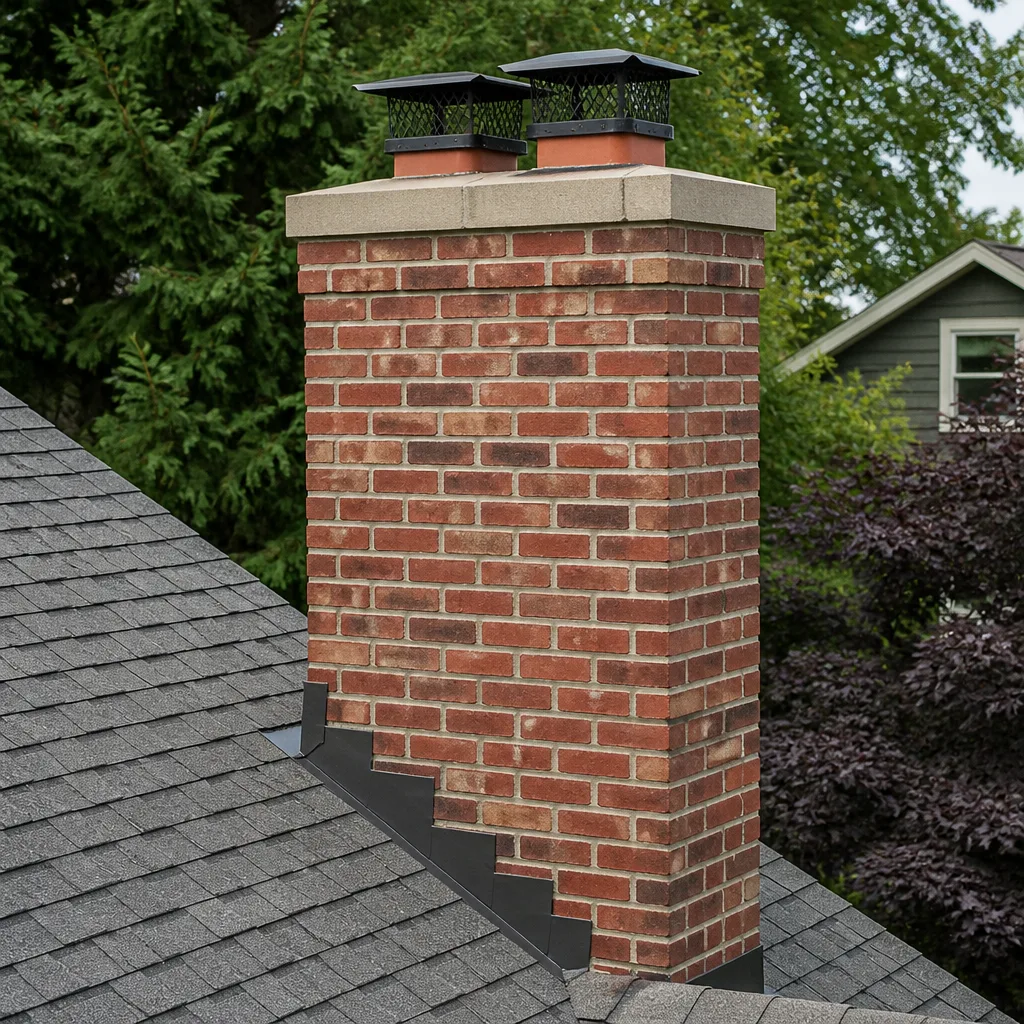 Masonry repair
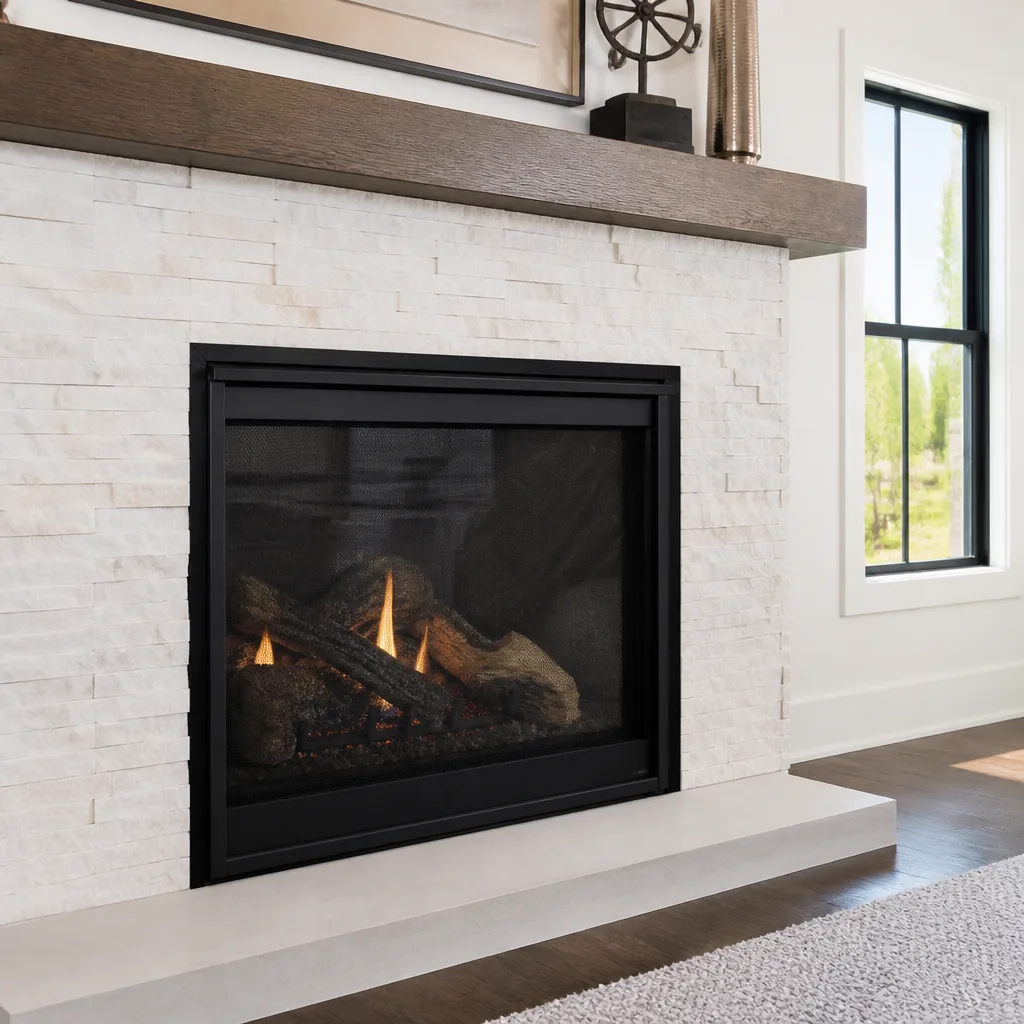 Gas fireplace service
Level 1 sweep and inspection to the NFPA 211 annual standard - flue, crown, cap, and flashing checked and photographed
Chimney sweep logs do not sweep chimneys. They loosen some creosote - which then falls where a brush and vacuum still have to collect it.
Chimney Cleaning Cost Breakdown: The Concourse Homeowner’s Reference for 2026
A $79 chimney cleaning coupon in Concourse almost always buys you a brushing without a real inspection, and a chimney that’s been cleaned but not evaluated is like a car with fresh oil and bald tires: serviced on paper, still dangerous on the road. The price gap between that coupon and a proper sweep isn’t random markup. It reflects what actually happens during the visit, what gets looked at, and what gets left alone. In this guide we break down 2026 chimney cleaning costs across the Concourse market, the four factors that move the number up or down, and how to read a quote so you know exactly what you’re paying for. Chimney Sweep Concourse works through all of it with you.
Quick Answer
In the Concourse and greater New York metro market, a standard chimney sweep in 2026 typically runs $150 to $290. Add a Level 1 inspection and most homeowners land between $225 and $400. A sweep paired with a Level 2 camera inspection generally falls in the $350 to $650 range. Anything involving third-degree creosote, relining, or cap and crown work pushes the total higher, and those numbers should always come from a written estimate after an on-site look.
Styles & brands we work with
- Sweep & inspection
- Caps & crowns
- Flue relining
- Masonry repair
- Gas fireplace service
Table of Contents
- What actually drives chimney cleaning cost in Concourse?
- Baseline 2026 cost ranges for a Concourse sweep
- Third-degree creosote: the multiplier nobody quotes upfront
- Why gas fireplace flue cleaning is priced differently
- How to read a chimney cleaning quote
- Cap, crown, and liner repairs: what they add to the bill
- The cost of deferring maintenance in Concourse
- Common mistakes to avoid
What actually drives chimney cleaning cost in Concourse?
Four things move the price of a chimney cleaning more than anything else: fuel type, creosote stage, liner condition, and whether an inspection is included. Two houses on the same Concourse block, built the same year with the same brick, can get quotes that differ by $200, and the reason is almost always one of those four variables. Contractors don’t price randomly. They price what they expect to find and how long the job will take.
Fuel type comes first. A wood-burning fireplace generates creosote, soot, and ash that have to be physically removed from the flue. A gas fireplace produces far less solid residue but carries its own issues, mainly moisture and corrosion inside the liner. Those are two different jobs with two different tool sets.
Creosote stage is the second driver. The National Fire Protection Association classifies creosote in three stages:
- Stage 1 is light soot and flaky deposit that brushes off with standard sweeping.
- Stage 2 is a denser, tar-like glaze that takes more passes and more time.
- Stage 3 is hardened, glazed creosote bonded to the flue wall. It doesn’t brush off. It requires chemical treatment over multiple visits before it can safely be removed.
Liner condition is third. A smooth, intact clay or stainless liner sweeps cleanly. A cracked or spalling liner means the technician has to be careful not to dislodge material, and it usually triggers a conversation about relining. Whether that conversation happens on the same visit depends on the company. At Chimney Sweep Concourse, inspection and repair are paired, so when we identify a liner problem during a chimney sweep, we can address it without sending you to a second contractor.
The fourth driver is the inspection itself. A sweep without an inspection is half a service. Many contractors offer it because it keeps the sticker price low. We include a proper evaluation because we’ve seen what a cleaned-but-unevaluated flue looks like a season later, and it’s rarely good.
Baseline 2026 cost ranges for a Concourse sweep
Here’s how the numbers line up for the Concourse and greater New York metro area in 2026. These are typical estimates, not fixed prices. The written estimate you receive after an on-site look is what sets the final price.
- Standard sweep only: $150 to $290
- Sweep plus Level 1 inspection: $225 to $400
- Sweep plus Level 2 camera inspection: $350 to $650
- Level 2 inspection as a standalone service: $200 to $400
- Gas fireplace flue cleaning: $130 to $250
- Stage 2 creosote removal: add $75 to $200
- Stage 3 creosote chemical treatment: $400 to $900 across multiple visits
- Animal nest and debris removal: add $100 to $250
- Cap replacement: $150 to $450
- Crown repair or rebuild: $300 to $900
- Stainless liner installation: $1,800 to $4,500
The spread inside each range comes down to roof access, flue height, whether the fireplace is a straight run or has an offset, and how much deposit has built up. A single-story ranch with a straight flue and light soot is at the low end. A two-story colonial with a rear chimney, a flue offset, and a few seasons of accumulation sits at the top. The estimate should tell you which end you’re on and why.
Concourse homeowners often ask why our numbers seem higher than a coupon they saw last week. The coupon is usually for a sweep alone. When the coupon visit finds a cracked crown or a Stage 2 flue, the price goes up on the spot, and you’re making a decision under pressure with no second opinion. A written estimate before the work starts lets you compare apples to apples and gives you the time to decide.
Third-degree creosote: the multiplier nobody quotes upfront
Stage 3 creosote is the single biggest reason a chimney cleaning estimate grows, and it’s the item most often left out of an initial quote. Glazed creosote is a hard, tar-like shell bonded to the inside of the flue. A brush will not remove it. Pushing harder with a brush can damage the liner. The only safe removal method is a chemical treatment that softens the glaze over several days, followed by a sweep, sometimes repeated two or three times before the flue is clean.
Why does this matter to a Concourse homeowner with a wood-burning fireplace? Because most people burn in a way that produces it without knowing. A few conditions push creosote into Stage 3:
- Burning wood that hasn’t been seasoned, usually anything above 20% moisture content
- Running the fireplace with the damper partially closed to slow the burn
- Burning soft woods like pine as a primary fuel
- Restricting air intake to make the fire last longer
- Repeatedly burning without a sweep for two or more seasons
A flue with heavy Stage 3 creosote is a chimney fire waiting for the right conditions. The fix takes real time and cost, and any contractor who quotes a standard sweep price without looking at the flue is setting up a surprise. When we schedule a sweep, we tell you before we arrive that a Stage 3 flue may require treatment, so the number you agreed to is the number you can expect.
The best way to avoid Stage 3 entirely is to burn dry, well-seasoned hardwood and to get a sweep each season. In our experience, the cost of a two-visit chemical treatment is roughly three times what a yearly sweep would have run, which is the argument for not deferring. It’s not a scare tactic. It’s the arithmetic.
Why gas fireplace flue cleaning is priced differently
Gas fireplace flue cleaning costs less than a wood-burning sweep, typically $130 to $250 in the Concourse market, because there’s no soot or creosote buildup to remove. But “no buildup” doesn’t mean “no service.” Gas flues vent water vapor and combustion byproducts, and over time those byproducts condense on the liner. A vented gas fireplace needs its flue evaluated for moisture damage, corrosion, and blockages from birds or debris. A vent-free unit produces moisture inside the room and requires its own ventilation check.
Here’s the part most people miss: some contractors skip gas flue cleaning entirely because the job looks trivial and the price is low. They’ll quote a sweep, brush down the firebox, and move on. What doesn’t happen is an inspection of the flue itself. The scale and condensation that develop inside a gas liner aren’t visible from the firebox. They need a camera.
The other trap you’ll see in a Concourse quote is a gas flue add-on at a suspiciously low price. If a contractor offers “gas flue cleaning” for $45, ask what’s inspected. Usually nothing. A proper gas service includes a flue evaluation, a check of the venting, and a look at the termination point at the top of the chimney. That’s why the price lands where it does.
Chimney Sweep Concourse includes a proper flue evaluation with every gas service. We look at the liner the same way we look at a wood flue. Gas fireplaces have their own failure modes, and the only way to catch them before they become structural is to actually look.
How to read a chimney cleaning quote
Reading a quote correctly saves more money than haggling over the price. The number at the bottom isn’t the whole story. What’s itemized, what’s bundled, and what’s called a “diagnostic fee” tells you what the contractor actually plans to do.
A proper chimney cleaning quote should itemize four things:
- The sweep itself, with the number of flues stated, since a two-flue chimney costs more than a single flue
- The inspection level, named as Level 1, Level 2, or Level 3
- Any add-ons, such as creosote treatment, animal removal, or cap inspection, priced separately
- The disposal, since soot and creosote have to be removed from your property, not just left in a pile
What shouldn’t be bundled: a sweep and a major structural repair in the same line item. If the quote shows “sweep, inspection, and crown rebuild” as a single price, you can’t tell whether the crown work is $300 or $800. Ask for the labor and materials to be listed separately. You want to see the chimney repair work priced on its own.
The phrase “diagnostic fee” deserves attention. In a well-run chimney quote, the inspection is the diagnostic. There’s no separate fee layered on top. If a contractor charges a diagnostic fee and then credits it back to the repair, fine, but you should ask whether an inspection alone (without repairs) still carries a charge. Our estimates are free and the price is set per job by the written estimate. There’s no fee to look.
One more thing to check on any quote: what materials are specified. If the quote mentions a liner, ask for the brand and the wall thickness (usually written as a gauge, like “.006” or “.016”). Professional-grade liner materials from brands like DuraFlex and Olympia Chimney cost more than what a general hardware store carries, and the difference shows up a decade down the road. Ask what brand is being installed. A roofing contractor wouldn’t quote a new roof without naming the shingle. A chimney professional shouldn’t quote a liner without naming the steel.
Cap, crown, and liner repairs: what they add to the bill
Water is the biggest long-term threat to a masonry chimney in this climate. Concrete crowns crack from freeze-thaw cycling, and once water gets behind a crown, it works its way into the brickwork, then the mortar joints, then the flue. Cap and crown work is where the chimney either gets protected or doesn’t. Both belong to a chimney cap & crown service, and both show up on a cleaning estimate as add-ons once the technician finds the problem.
Typical Concourse costs for repair work:
- Metal cap replacement: $150 to $450, depending on the number of flues and the fit
- Crown repair with sealant: $300 to $600 for a small crack, $400 to $900 for a full rebuild
- Mortar joint repointing: $600 to $1,800, priced by the linear foot
- Chimney rebuild above the roofline: $2,000 to $6,000
- Stainless liner installation: $1,800 to $4,500
Repairs done properly use materials designed for the job. HeatShield is a cast-in-place liner restoration system for flues that haven’t failed structurally but need a smooth, sealed interior. Gelco and Copperfield supply premium stainless liner systems and chimney components. Famco makes professional-grade caps and crowns. These are the kinds of materials chimney specialists specify, and they’re what we use. Cheaper substitutes exist. They don’t belong on a chimney.
The pairing of inspection and repair matters here. Some contractors can sweep and inspect but can’t fix anything they find. They hand you a report, you go find a mason, and the whole thing costs more and takes longer. Chimney Sweep Concourse handles both, so a cap or a liner replacement can be scheduled on the same visit as the sweep.
The cost of deferring maintenance in Concourse
The math of skipping a chimney sweep compounds season over season. What starts as a $225 sweep-and-inspect turns into something substantially larger, and the pace varies with the chimney’s exposure and the fuel being burned.
Here’s what we see in a typical masonry chimney on a Concourse home when maintenance is deferred:
- After one season missed: A Stage 1 flue that would have swept clean now has Stage 2 creosote. Sweep cost moves from the base range to the upper end, adding $75 to $200.
- After two seasons missed: Stage 3 creosote begins to form in the upper flue where the cooling is most intense. Chemical treatment adds $400 to $900. Crown hairline cracks begin to widen from freeze-thaw.
- After three seasons missed: Liner cracks appear at joints. Repointing becomes necessary on the exterior brickwork. The conversation shifts from cleaning to relining, which is $1,800 to $4,500.
A masonry chimney on a Concourse rowhouse or pre-war building has already been through decades of New York winters. The freeze-thaw cycle here is hard on brick and mortar. Water enters through a cracked crown, freezes, expands, and widens the crack. Each year it’s harder to reseal. The chimney doesn’t fail all at once. It fails by degrees, and each degree has a price tag.
The cost of a yearly sweep is the cheapest line item on the list. The cost of pushing it two years is the most expensive.
Common Mistakes to Avoid
- Buying on coupon price alone. A cleaning without an inspection is a service that leaves the most dangerous part of the chimney unexamined. Ask any low-price contractor what specifically gets inspected, in writing, before you book.
- Skipping the sweep because you burn gas. Gas flues still need evaluation. Condensation and scale build up on the inside of a gas liner and aren’t visible from the firebox. A no-service gas fireplace is an unevaluated system.
- Burning unseasoned wood to save money. Wet wood produces far more creosote and pushes a Stage 1 flue toward Stage 3 faster. The savings on the wood never offset the cost of chemical treatment.
- Chasing a “diagnostic fee” that credits toward repairs. The chimney inspection should stand on its own. If it only happens when a big repair is on the table, you’re not getting an inspection; you’re getting a sales call.
- Saying yes to a liner without checking the brand. Ask what material is going into the flue and what gauge it is. A professional-grade liner from a brand like DuraFlex or Copperfield comes with a known reputation. A generic liner doesn’t.
- Ignoring the crown because it “looks fine.” Crown cracks start as hairlines and widen with every freeze. A $400 crown repair today prevents a $2,000 rebuild two years from now.
- Hiring a sweep and repair as separate jobs. Coordinating a sweep with a mason and a fireplace repair tech means three schedules, three billing departments, and no one accountable for the system as a whole. Chimney Sweep Concourse covers sweep, inspection, cap and crown, repair, and fireplace repair under one company.
See the difference
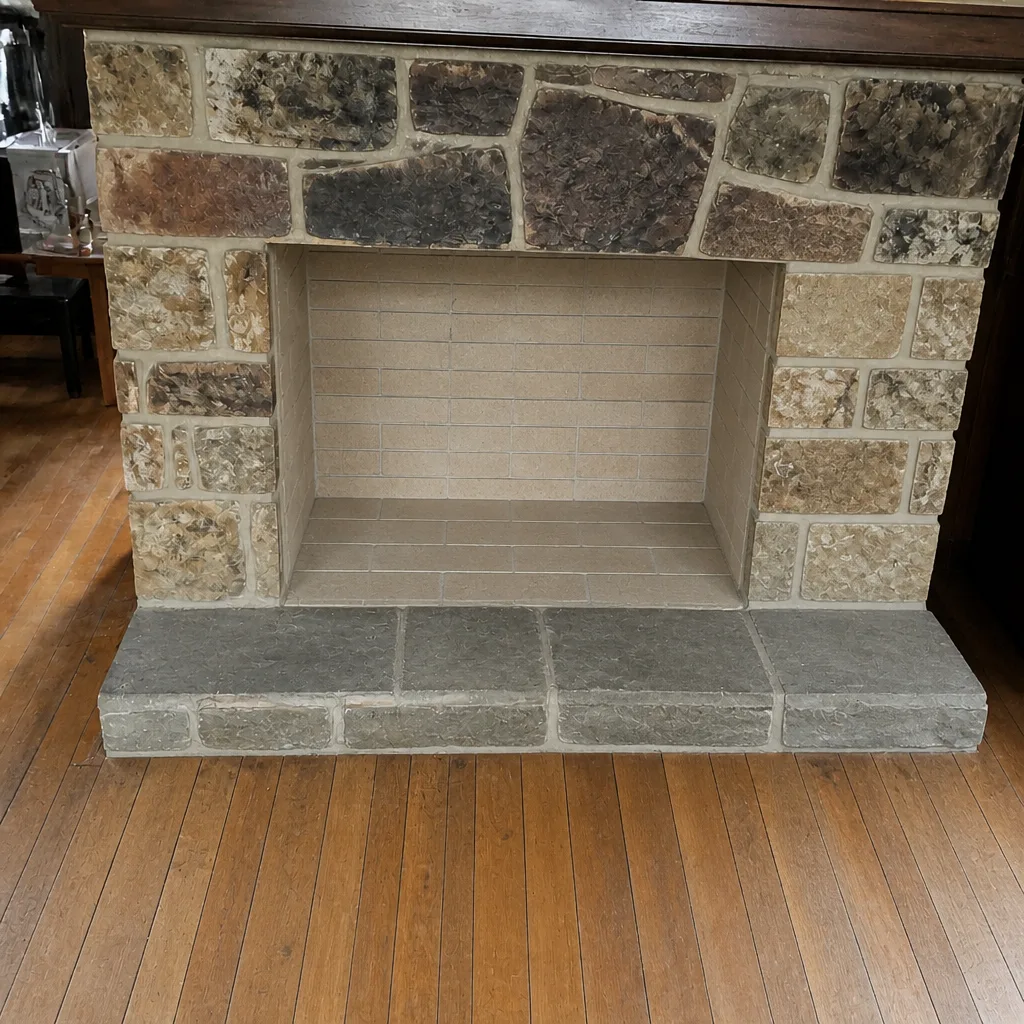
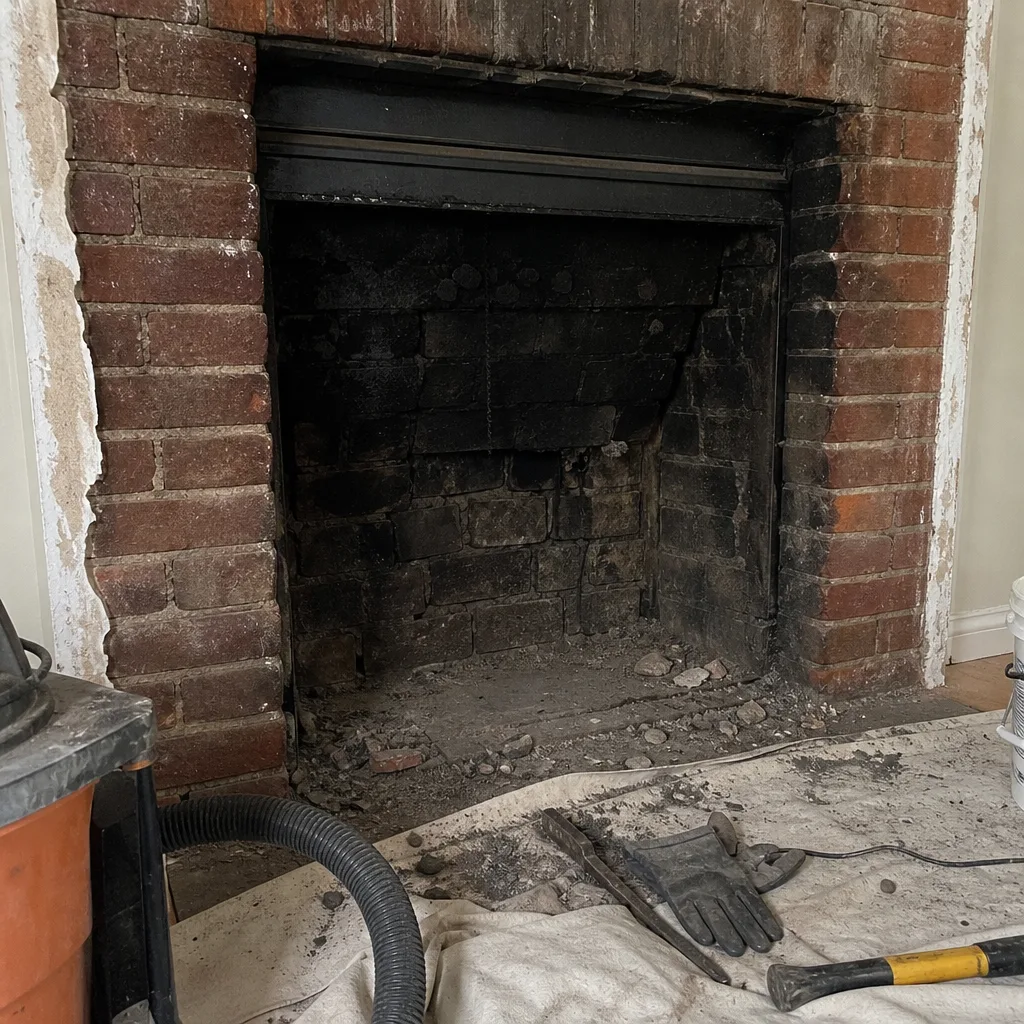 Before
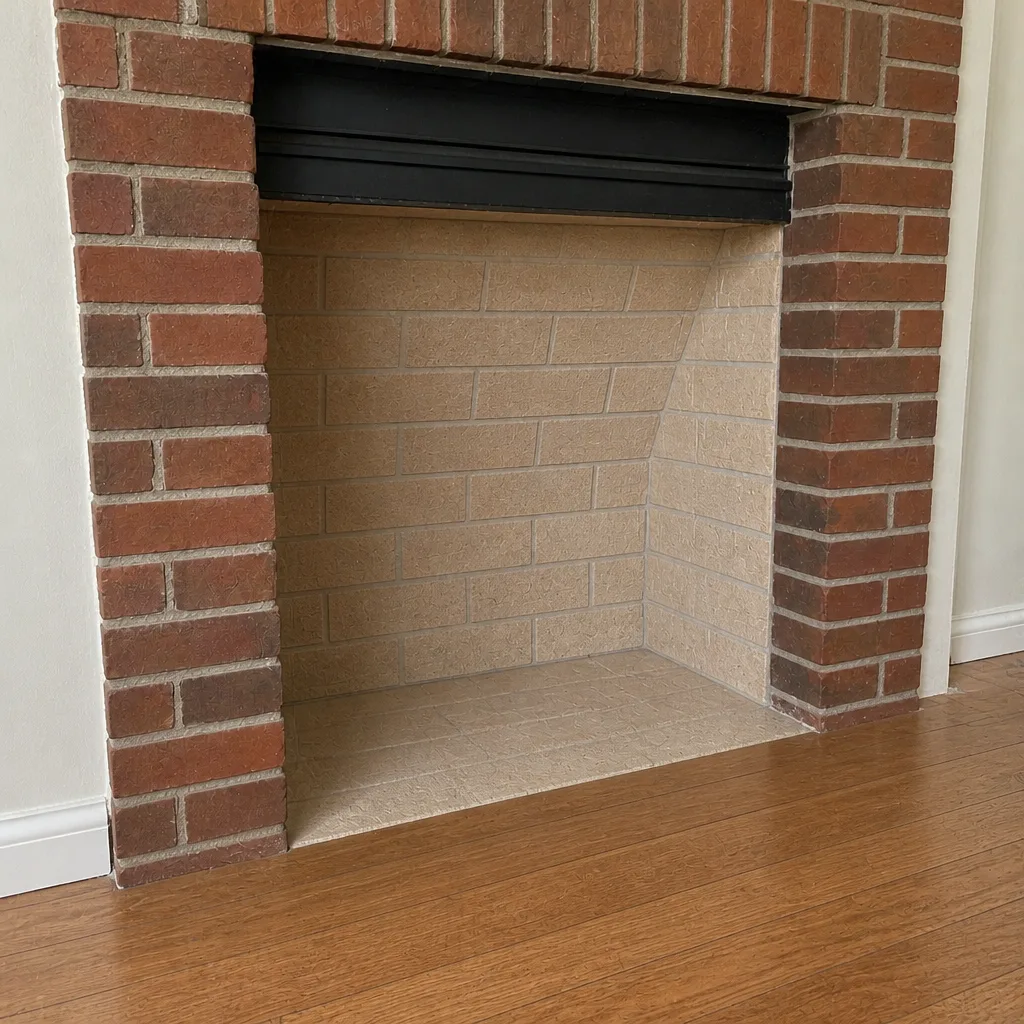 After
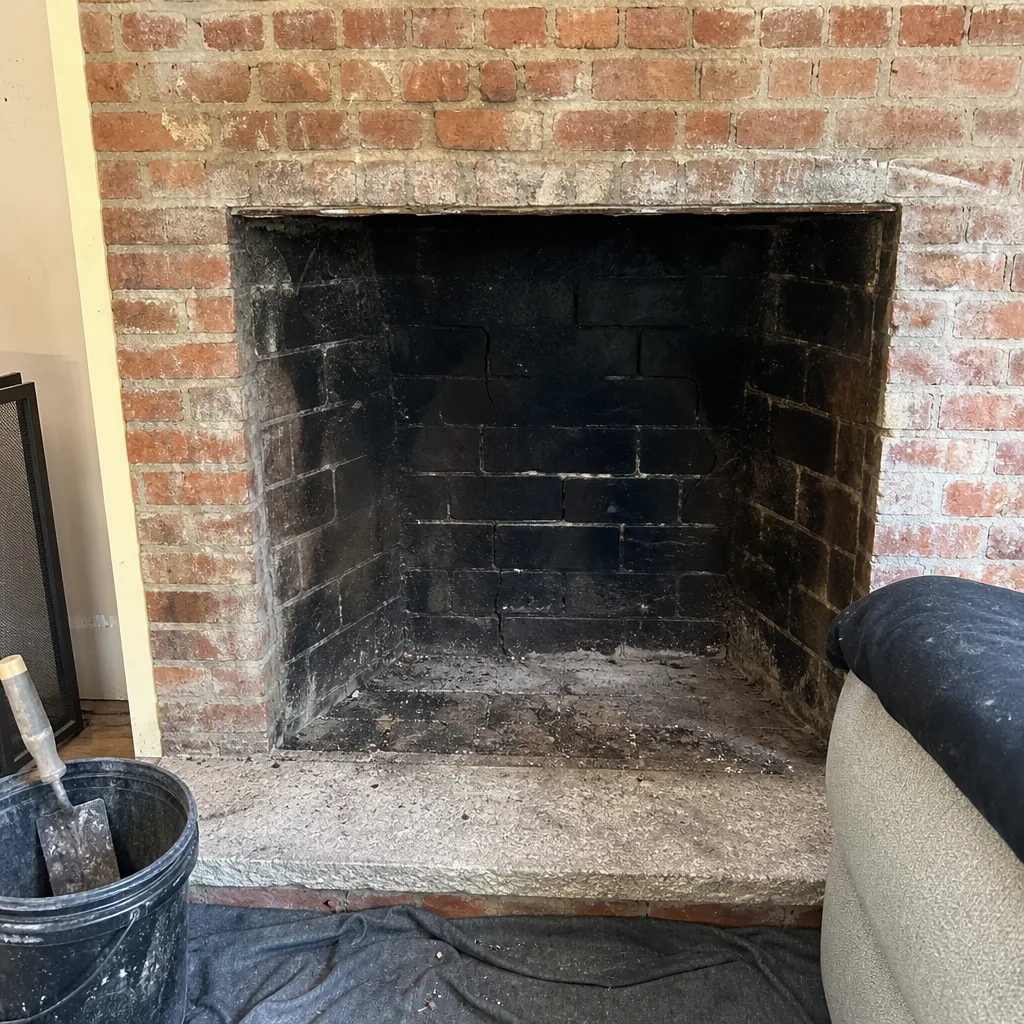
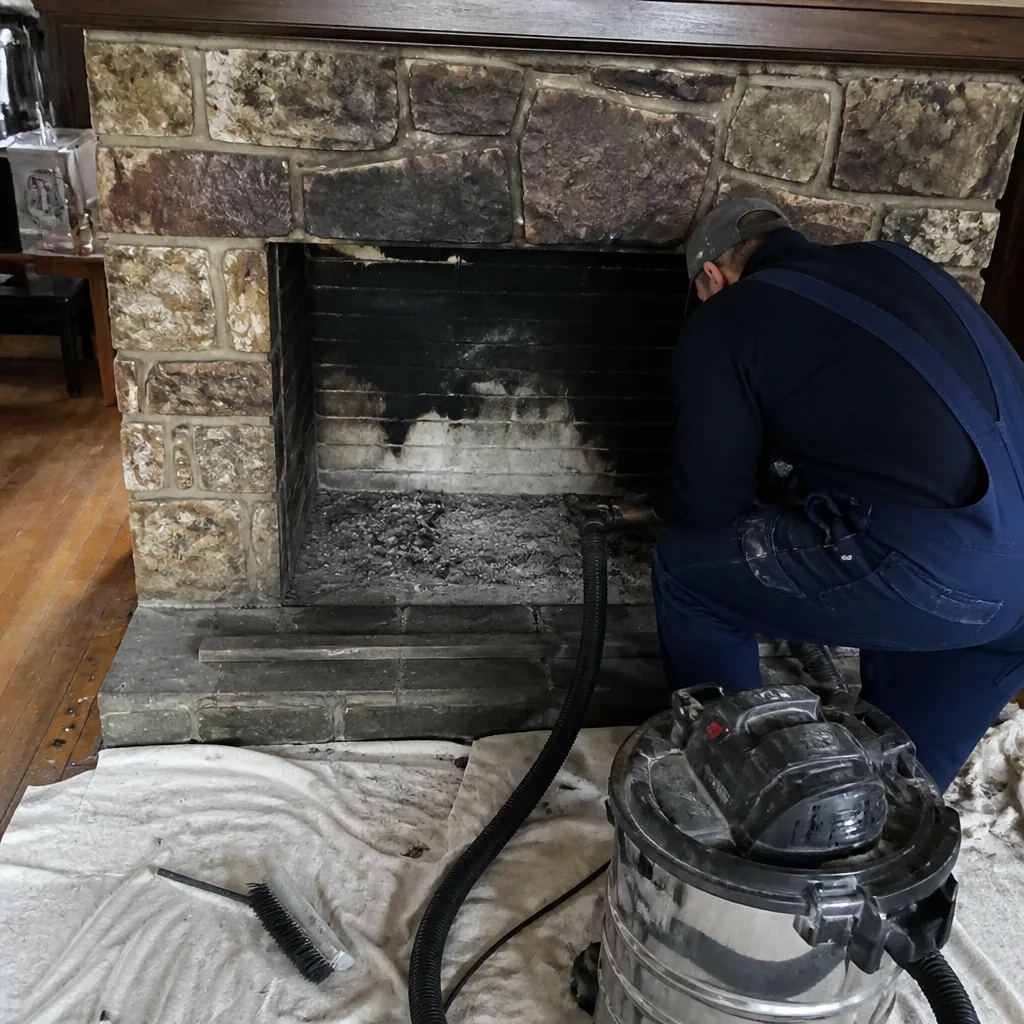 Before
 After
 Before
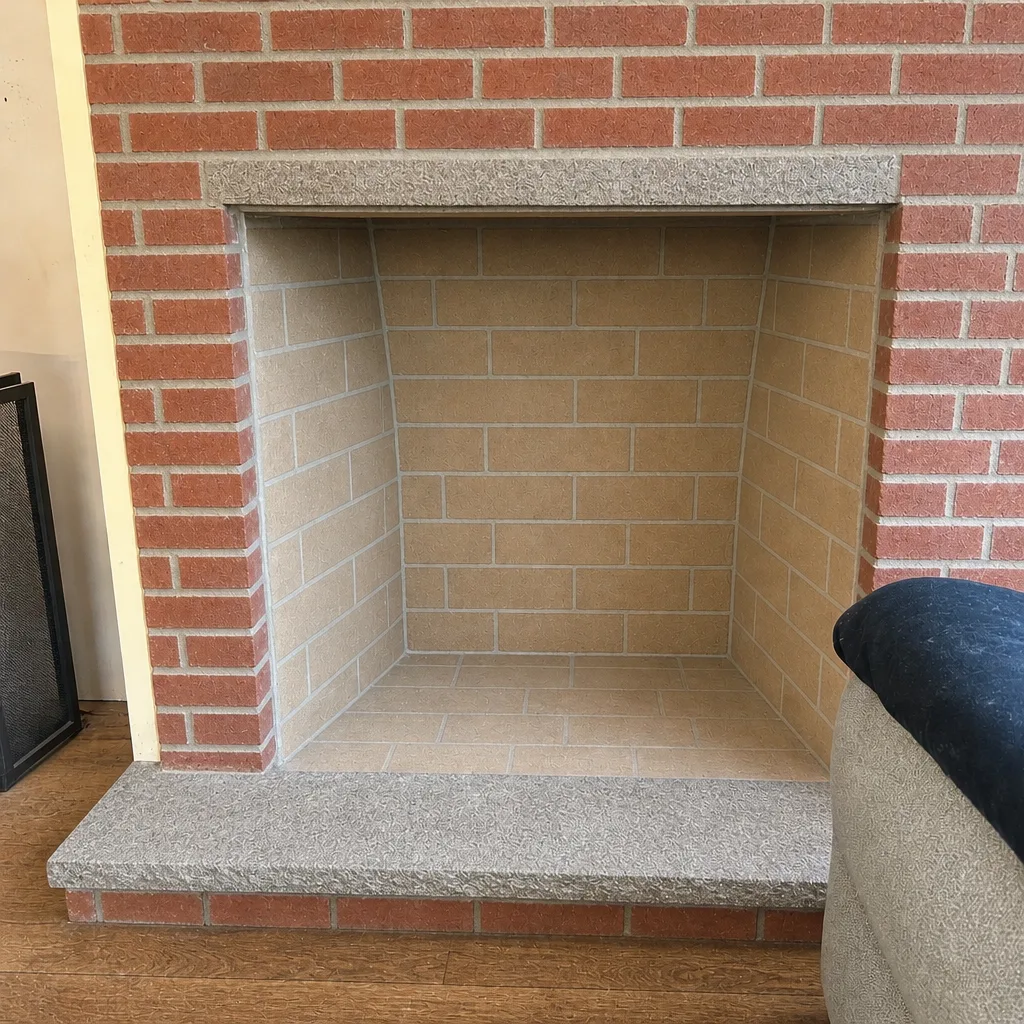 After
When to Call a Professional
Call a chimney professional when you haven’t had a sweep in the last year, when you notice soot falling into the firebox, when a strong odor comes from the fireplace in warm weather, when the fire smokes back into the room, or when you see any stain on the ceiling or wall near the chimney. Call if you’ve heard a bird or animal in the flue, or if you’ve never had the chimney inspected since moving in. Don’t go up on the roof yourself, and don’t try to remove glazed creosote with a brush; the flue is a confined space and Stage 3 deposits require chemical treatment that a professional controls. Chimney Sweep Concourse offers free estimates to Concourse homeowners – call (877) 792-5845. We answer 24/7. Fast dispatch from 7am to 7pm, Sunday through Friday. Our technicians have up to 11 years of experience.
Frequently Asked Questions
Once a year for a wood-burning chimney, and once a year for a gas unit as well, even though gas produces less residue. The annual visit is a chance to catch crown cracks, liner damage, and animal nests before they become structural. If you burn more than a cord of wood a season, once at the end of burning season is the safe minimum. Skipping years doesn’t save money; it shifts cost from a sweep to creosote treatment or relining. Call (877) 792-5845 to book a sweep and inspection.
It should, but a lot of low-priced cleanings don’t. A proper sweep includes at least a Level 1 inspection: a visual check of the accessible portions of the flue, the firebox, the damper, and the chimney exterior. A Level 2 inspection adds a video camera scan of the entire flue and is standard when you’ve had a chimney fire, changed fuels, or bought a home. Ask before booking whether the inspection is included and at what level.
A standard sweep on a single-flue chimney usually takes 45 minutes to an hour and a half. A two-flue chimney or one with an offset takes longer. A sweep with a Level 2 inspection typically takes closer to two hours. Chemical treatment for Stage 3 creosote takes multiple visits spread over days because the treatment has to soften the glaze before it can be removed.
No. Many chimneys come through a sweep with nothing more than soot removed. The point of the inspection isn’t to sell you a repair; it’s to catch the cases where something needs attention. Our estimates are free and the price is set per job by the written estimate. If your chimney is in good shape, you’ll hear that. If it isn’t, you’ll see the camera footage and photos so you can judge for yourself.
Homeowners can brush a lightly soiled firebox, but the flue itself is a confined vertical space with real risks. Creosote deposits above Stage 1 require chemical treatment, liner damage isn’t visible without a camera, and roof access is dangerous. Since most chimneys conceal the part that fails, DIY cleaning tends to look successful and miss the actual problem. A professional sweep with a camera inspection is the safer and more accurate route.
Creosote accumulates with every fire, and the more seasons it accumulates, the more expensive it is to remove. Stage 3 creosote requires chemical treatment over multiple visits and creates a real chimney fire risk. Liner cracks that would have been caught in an inspection spread silently. Crown cracks widen with freeze-thaw. Deferred maintenance on a Concourse chimney usually costs two to five times what the sweeps would have, and in the worst case shifts the work from cleaning to relining. Call (877) 792-5845 for a free estimate and an honest read on your chimney.
The Bottom Line
Chimney cleaning costs in Concourse vary because the scope varies, not because contractors are guessing. Fuel type, creosote stage, liner condition, and the level of inspection included all move the number. A 2026 sweep runs $150 to $290, a sweep with a Level 1 inspection lands around $225 to $400, and a sweep with a Level 2 camera inspection sits at $350 to $650. Beyond that, Stage 3 creosote, animal removal, cap and crown repair, and relining each add their own line item. Read every quote for what’s itemized, ask what’s bundled, and ask which brands go into your flue. At Chimney Sweep Concourse, we sweep, inspect, and repair with professional-grade materials from brands like DuraFlex, HeatShield, and Gelco, so the chimney gets evaluated and restored by the same team. Our technicians have up to 11 years of experience. Call (877) 792-5845 for a free estimate. We answer 24/7. Fast dispatch from 7am to 7pm, Sunday through Friday.
Written by the team at Chimney Sweep Concourse.