
Last updated November 25, 2026
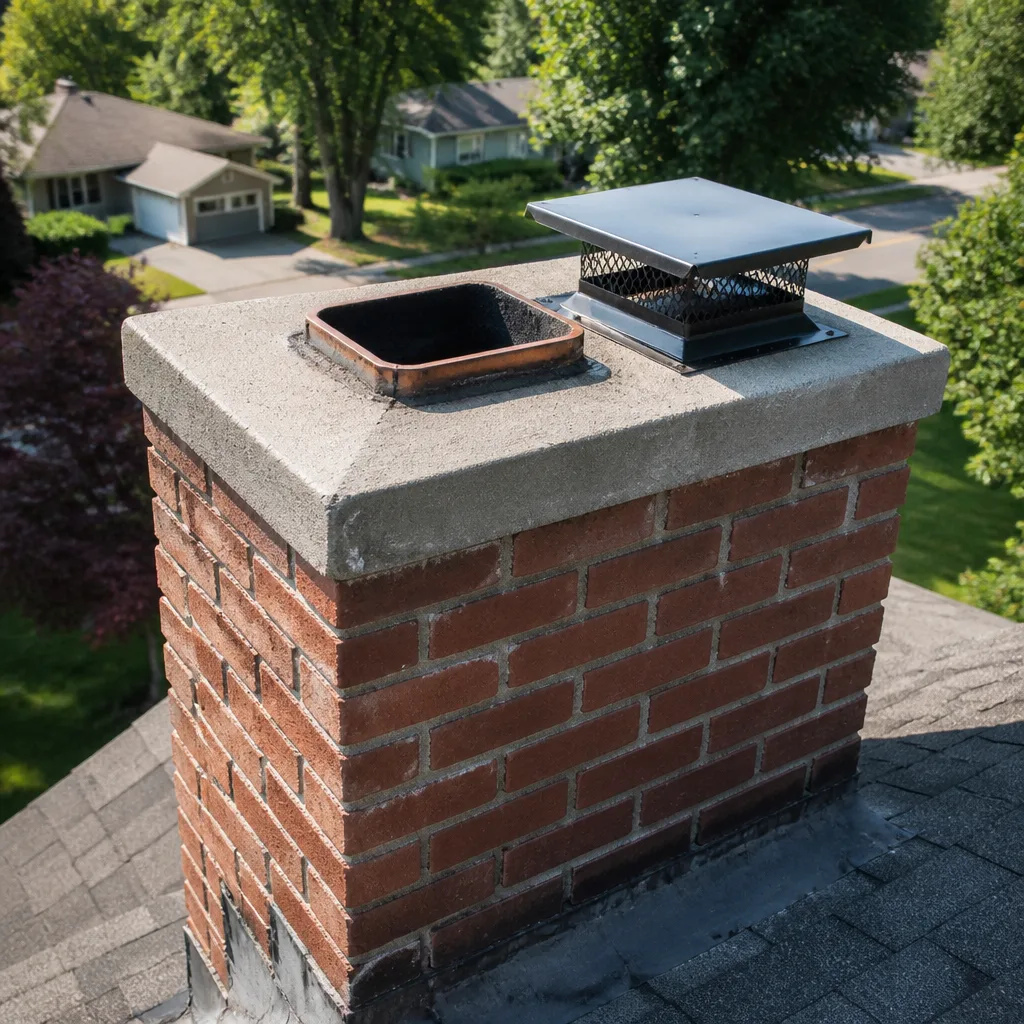 Sweep & inspection
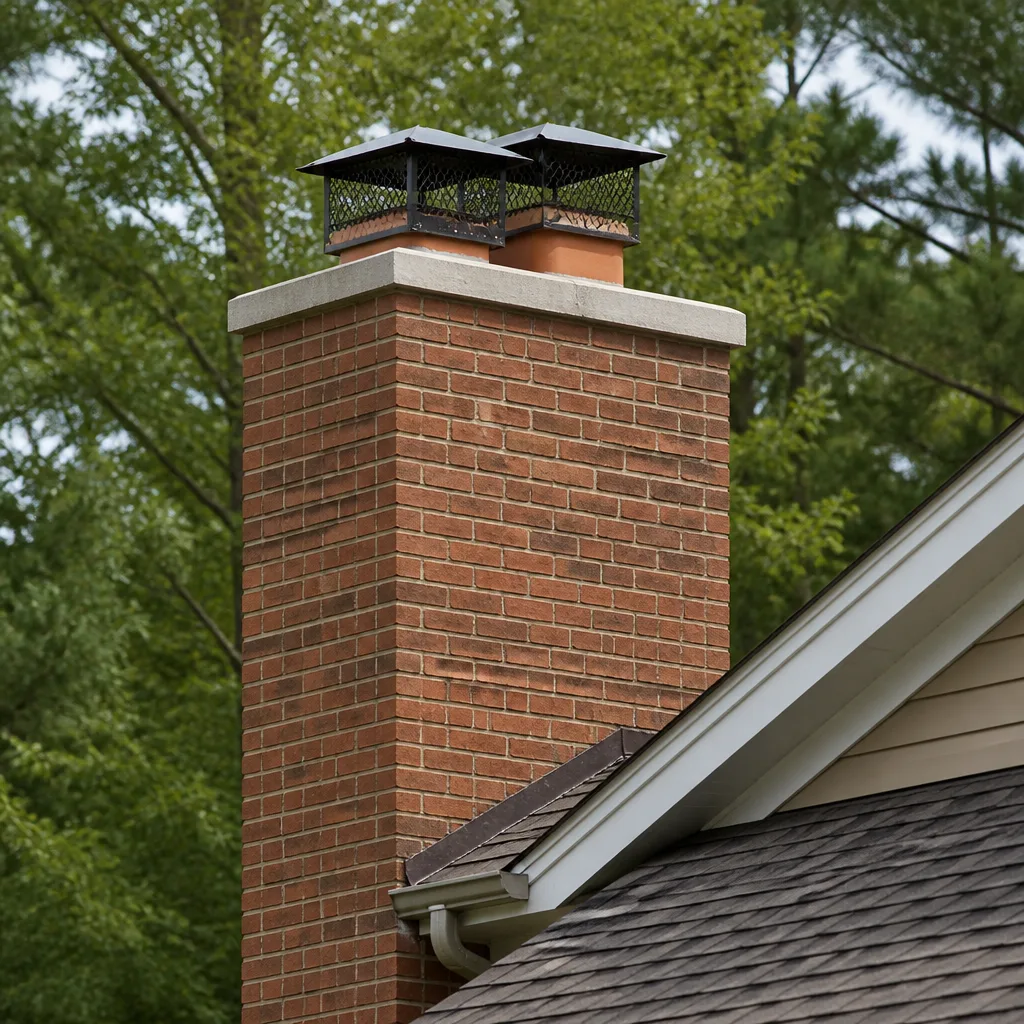 Caps & crowns
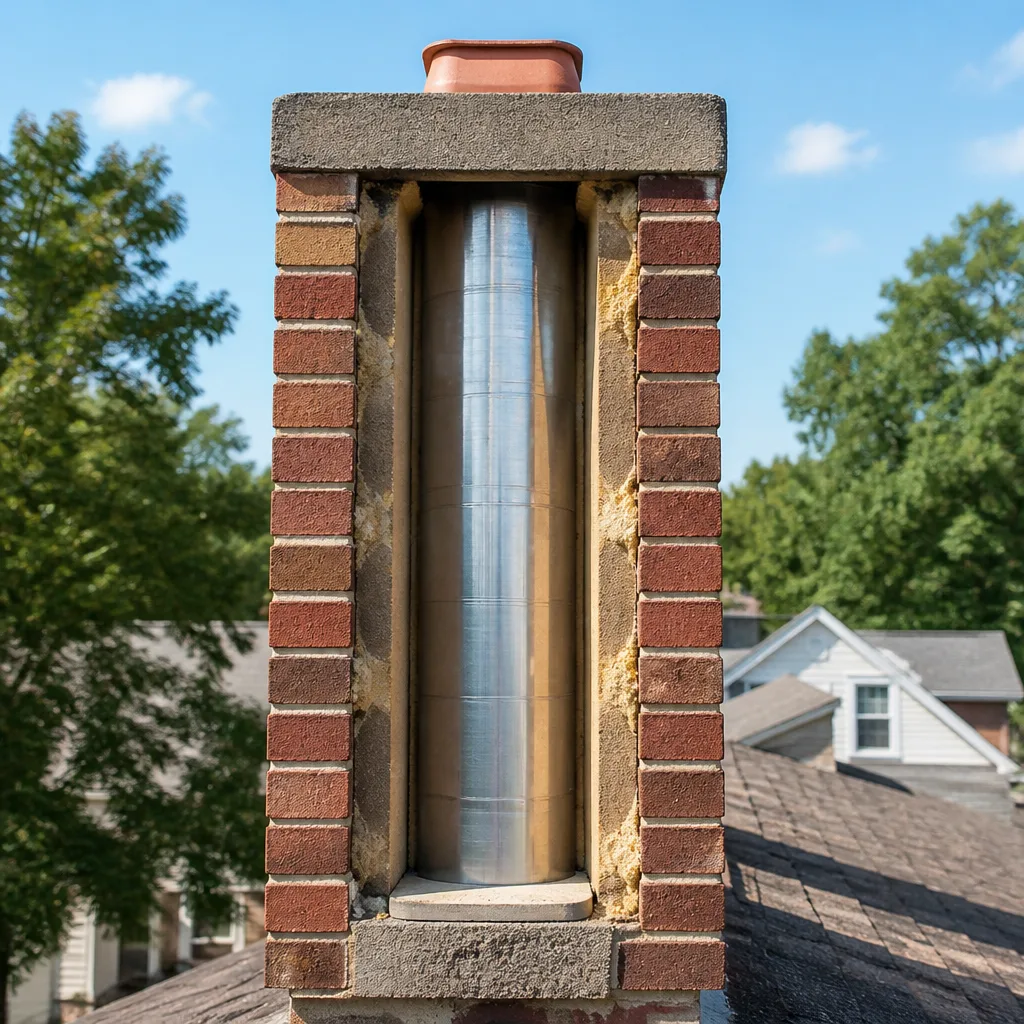 Flue relining
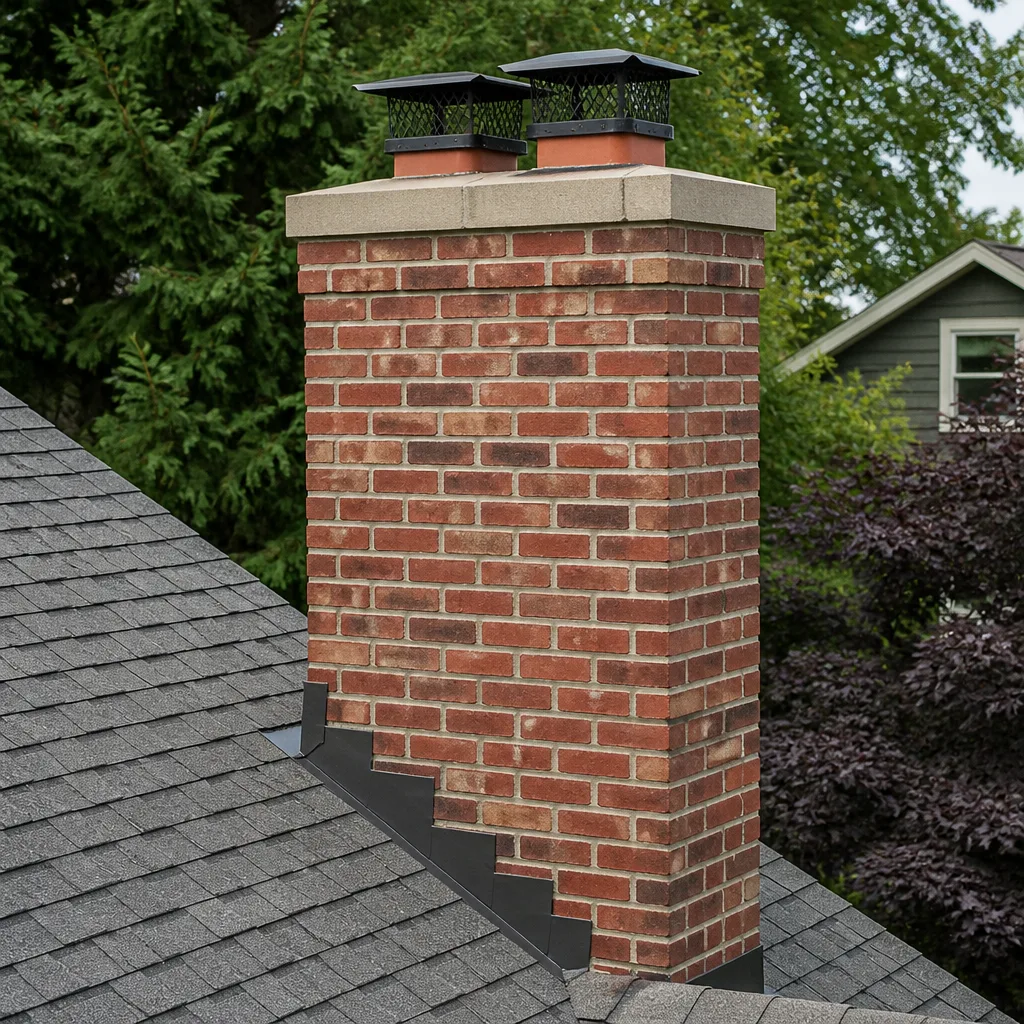 Masonry repair
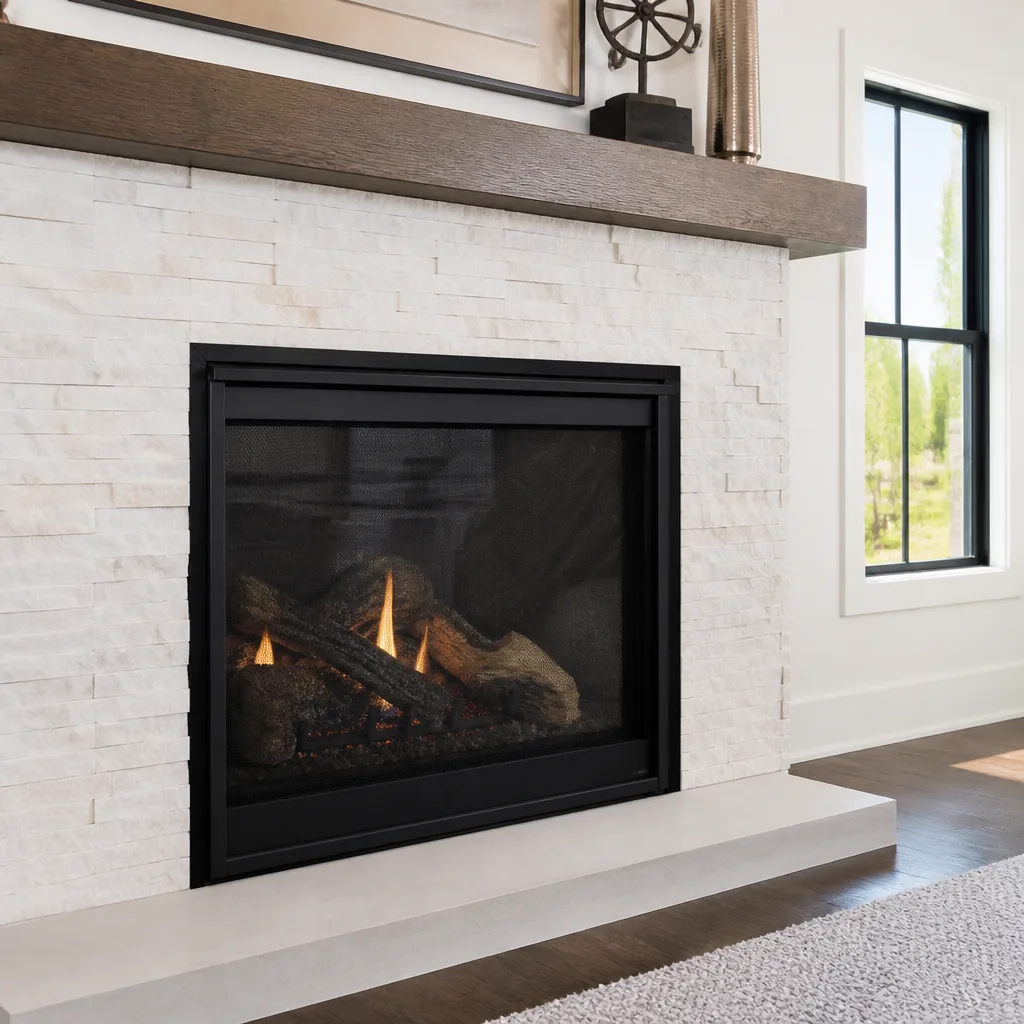 Gas fireplace service
Level 1 sweep and inspection to the NFPA 211 annual standard - flue, crown, cap, and flashing checked and photographed
Chimney sweep logs do not sweep chimneys. They loosen some creosote - which then falls where a brush and vacuum still have to collect it.
Chimney Cleaning Warning Signs: A Concourse Homeowner’s Reference Guide
A white stain running down your chimney’s exterior, called efflorescence, looks harmless. It’s actually your masonry telling you that water is actively moving through the structure, and left unaddressed through a Concourse winter it accelerates into liner damage and spalled brickwork that costs thousands to repair. The hard part for most homeowners isn’t spotting a signal like that. It’s knowing which signals are cosmetic annoyances and which are fire or carbon monoxide hazards that mean no more fires until someone qualified looks at the system. This guide gives you a three-tier framework for sorting one from the other, covers the interior, exterior, and performance signs worth watching, and explains what the timing of a symptom tells a trained technician about its root cause.
Quick Answer
Stop using the fireplace immediately if you see cracked or missing liner tiles, smoke rolling back into the room, or heavy creosote flaking into the firebox. Schedule a chimney inspection within about 30 days for efflorescence, spalling brick, receding mortar joints, or a smoky smell when the fireplace is unused. Log and monitor a thin soot film, a slightly sluggish draft on cold starts, or minor crown hairline cracks, and mention them at your next sweep. Chimney Sweep Concourse inspects before recommending anything and can repair what it finds.
Styles & brands we work with
- Sweep & inspection
- Caps & crowns
- Flue relining
- Masonry repair
- Gas fireplace service
Table of Contents
- The Three-Tier Urgency Framework
- Interior Warning Signs You Can See and Smell
- Exterior Warning Signs on Concourse Masonry
- Performance Signs: Draft, Smoke, and Draw
- Why Some Warning Signs Only Appear Seasonally
- Creosote, Blockages, and What Actually Burns
- Common Mistakes to Avoid
- Frequently Asked Questions
The Three-Tier Urgency Framework
Every warning sign belongs in one of three buckets, and sorting them correctly is the single most useful skill a homeowner can build. The bucket determines whether you pick up the phone today, this month, or just keep a note.
Tier One: Stop using the fireplace now. These are fire or carbon monoxide hazards. Light no fires until a qualified professional has inspected the system.
- Visible cracks, gaps, or missing sections in the flue liner
- Smoke rolling back into the room instead of up the flue
- Heavy creosote visibly flaking or curling off the flue walls into the firebox
- A carbon monoxide alarm sounding while the fireplace or heating appliance is running
- Damaged or dislodged bricks in the firebox with open joints between them
Tier Two: Schedule an inspection within about 30 days. These signs point to water intrusion or structural movement that will worsen with weather and use.
- White, powdery staining on exterior masonry (efflorescence)
- Spalling brick faces or mortar joints receding between courses
- A chimney smell in the room when no fire has been lit
- Cracked or crumbling crown at the top of the chimney
- Loose flashing where the chimney meets the roofline
Tier Three: Log it and monitor. Normal wear that isn’t dangerous yet, but is worth flagging at your next sweep.
- A thin, dry soot film on the firebox walls
- Slightly slow draft on the first fire of a cold snap
- Hairline cracks in the crown that haven’t widened
- A cap that’s slightly off-level but still attached
If you’re unsure which tier a sign belongs to, treat it as Tier Two. A professional inspection is the reliable way to know, and Chimney Sweep Concourse treats that inspection as a standalone service, not a courtesy add-on. The distinction matters because an inspection that isn’t the product itself is often an inspection that isn’t thorough.
Interior Warning Signs You Can See and Smell
Most chimney problems announce themselves from inside the home before they’re visible outside. A smokey odor in a room with no fire is one of the most overlooked signals: it usually means creosote and soot packed inside the flue are drawing moisture from damp air and off-gassing a sour, smoky smell back into the room. In Concourse, where cold winters and humid late-summer air both visit the same flue, that smell often appears before any visible damage. It’s the flue telling you it’s loaded.
Black staining around the firebox opening is another interior sign worth understanding. A tidy ring of dark soot right at the edge of the firebox door or screen isn’t just cosmetic. It means smoke is escaping at the firebox mouth instead of going up the flue, and that’s a draft or structural issue you’ll want diagnosed properly rather than wiped up and ignored.
Creosote flaking into the firebox is the one interior sign that jumps straight to Tier One. Creosote that has glazed, hardened, and started to crack off in chunks is concentrated fuel sitting inside the flue, close to the heat source. It’s flammable in a way ordinary soot is not, and if your flue has it, no fire should be lit until it’s swept. Professional chimney sweeps know where creosote accumulates in a way casual inspection misses: it builds on the cooler upper flue walls, near offsets, and around the smoke chamber above the damper. Our technicians have up to 11 years of experience and can identify those specific zones during a chimney sweep.
Other interior signs to note:
- Rust-colored staining on the firebox floor or hearth
- Gaps or cracks between the firebox floor and the back wall
- A damper that won’t fully open, close, or stay put
- Damper or firebox metal that’s warped, buckled, or pitted
- Soot escaping from around the damper assembly onto the firebox frame
Any of those is worth describing on a call, because each points a technician at a specific part of the combustion system before they arrive.
Exterior Warning Signs on Concourse Masonry
Chimneys built of brick and mortar in this climate have specific vulnerabilities, and top-of-chimney moisture is the most underrated of them. A chimney crown that’s shedding water the way it should keeps the whole structure dry. A crown with cracks, spalling, or missing mortar lets water into the brickwork and mortar joints below, where it freezes, expands, and fractures the masonry each winter cycle.
Here are the exterior signs to know, mapped to what each one suggests:
- Efflorescence (white powder): Your masonry is saturated and the water is surfacing through the brick, carrying salts with it. It’s a signal of active moisture movement, not a stain.
- Spalling (flaking or crumbling brick faces): Water has entered the brick and frozen hard enough to burst the surface. This is structural movement, not just cosmetic.
- Receding mortar joints: Mortar is eroding away from the brick, leaving joints recessed. Left unaddressed, the topmost bricks lose support and the whole stack weakens.
- Hairline or widened crown cracks: A cracked crown lets water past the top of the chimney. Once the water is in, it doesn’t leave voluntarily.
- Loose or missing flashing: Water is getting around the seal where the chimney meets the roof, often showing up as damp staining on the ceiling below.
- A missing or damaged cap: Rain, birds, and debris have an open path into the flue. A cap is a simple piece of protection that saves a fortune in repairs.
What makes Concourse homes distinctive is the same thing that makes their chimneys vulnerable: an unbroken seasonal cycle of snowmelt, freeze, and thaw. Here, the crown and cap do most of the work in protecting the structure, and both are part of what Chimney Sweep Concourse handles under one roof, along with chimney cap & crown installation using DuraFlex, HeatShield, and Copperfield materials specified by professionals nationwide. When a symptom on the exterior points to more than a cleaning issue, we can move straight from inspection to chimney repair without sending you to a second contractor.
Performance Signs: Draft, Smoke, and Draw
Performance is where the diagnostic judgment matters most. A fire that’s sluggish to start, smokes into the room, or can’t draw properly could be telling you about a simple blockage, an improper fire-building habit, or a structural draft problem that will never improve with better wood.
Start with what’s easy to check and ask a professional to check. A blockage is the first thing to rule out: a bird’s nest, a fallen brick, or a dislodged cap lodged somewhere in the flue will restrict airflow badly, and neighbors’ trees, the age of the masonry, and even the shape of the chimney top all influence how often that happens. A structural draft problem, by contrast, is baked into the chimney’s design: too short a stack, a flue that’s oversized for the appliance, an offset that slows the gas path, or a house so tight it pulls more air from the chimney than it can spare.
How to tell them apart from the fire’s behavior:
- A blockage tends to appear suddenly, in a chimney that was drawing fine until recently, and often in spring or early fall after nesting season.
- A structural draft problem shows up gradually and consistently, often worst on mild days, on the first fire of a cold snap, or in one specific room.
- Smoke rolling into the room on a warm day, improving on a cold one, usually points to temperature difference and draft strength rather than a sudden blockage.
- Smoke entering the room regardless of the weather, especially when the fire is already lit and established, means stop using the fireplace now and get it inspected.
Understanding which of these you’re facing is exactly what a proper chimney inspection is for. Chimney Sweep Concourse pairs the diagnostic with the fix, whether that’s a sweep, a new cap, or a structural adjustment, so a sluggish draft doesn’t get misdiagnosed as a dirty flue and swept when the flue is actually the wrong size. For homeowners across the full set of services, that’s the value of Chimney Sweep Concourse: one point of contact for sweep, inspection, and repair.
Why Some Warning Signs Only Appear Seasonally
Some warning signs literally only show up at certain times of the year, and the timing itself is diagnostic. A trained technician reads a season like a symptom, because each season applies its own stress to a chimney.
Late summer and early fall. The first humid weeks of the year pull moisture into creosote and soot left over from the last burn season, which is why the “smoky smell with no fire” often first appears in late summer. This is also when birds, squirrels, and insects are most likely to have found their way in, so nesting debris is a common finding. If you clean your flue before the first frost, you catch a lot of these problems before burning season.
The first cold snap. Masonry contracts and shifts as temperatures drop, and anything marginal becomes visible: small cracks widen slightly, mortar joints that were borderline begin to look worse. This is the season when crown cracks and spalling are most obvious to a careful eye. It’s also when a slow draft is first noticed, because mild days and cool nights make chimney draft weakest.
Midwinter. The chimney runs hardest, and any structural weakness gets tested. Water in the masonry, if it was there, expands with each freeze and pushes joints further apart. A chimney that was “fine last December” can show its first real problem this February.
Spring thaw. Thermal shifts show up on the outside of the chimney most clearly in spring: moisture that got locked in over the winter escapes, and efflorescence is at its most visible. That’s when exterior masonry inspection is most telling.
This seasonal pattern is why Chimney Sweep Concourse schedules an inspection at the turn of the season rather than at the peak of it. Catching a chimney problem when it’s small, before it has a winter to compound it, is how the expensive repairs get avoided.
Creosote, Blockages, and What Actually Burns
Creosote is the single most important thing to understand about what actually burns in a chimney fire. It’s a byproduct of incomplete combustion that condenses on the cooler surfaces of the flue, especially during slow-burning or damp-wood fires. Over months and years it builds in three recognizable stages:
- Stage one: soot and light dust. Soft, powdery, and easy to sweep. This is what a well-run fire leaves behind, and it’s the most common finding.
- Stage two: crusty, flaky creosote. Harder, brittle, and starting to crack, sometimes flaking off in small chips. It’s flammable, and it’s what warnings about “chimney fires” usually refer to. At this stage it’s still removable with proper sweep tools.
- Stage three: glazed, hardened creosote. This is the dangerous stage. It looks like black glass, bonds hard to the flue, and is extremely flammable. It’s often the reason a chimney needs professional evaluation rather than a routine sweep.
What actually burns in a chimney fire is the accumulated creosote, not the wood you’re burning when it starts. That’s why the stage matters. A chimney fire fed by glazed creosote burns hot enough to damage the liner and spread into the structure, and smoke from that stage is also a carbon monoxide risk even when the fire itself has been snuffed out.
Blockages are the other key way a chimney hurts you. A blocked flue pushes smoke and carbon monoxide back into the room instead of out the top, and the signs often look like performance issues: slow draft, smoky smell, and smoke entering the room. Debris from a broken cap, a dislodged brick, or nesting material is the usual culprit in a Concourse home, and a professional sweep catches it before the first fire.
Professional-grade materials matter at every stage. HeatShield is the standard product used to reline flues that have seriously deteriorated, and it’s one of the brands Chimney Sweep Concourse uses, alongside DuraFlex, Gelco, Olympia Chimney, Famco, and Copperfield. Those aren’t household names to most homeowners, but they’re the brands chimney specialists specify, and they’re what the best long-term result is built on.
See the difference
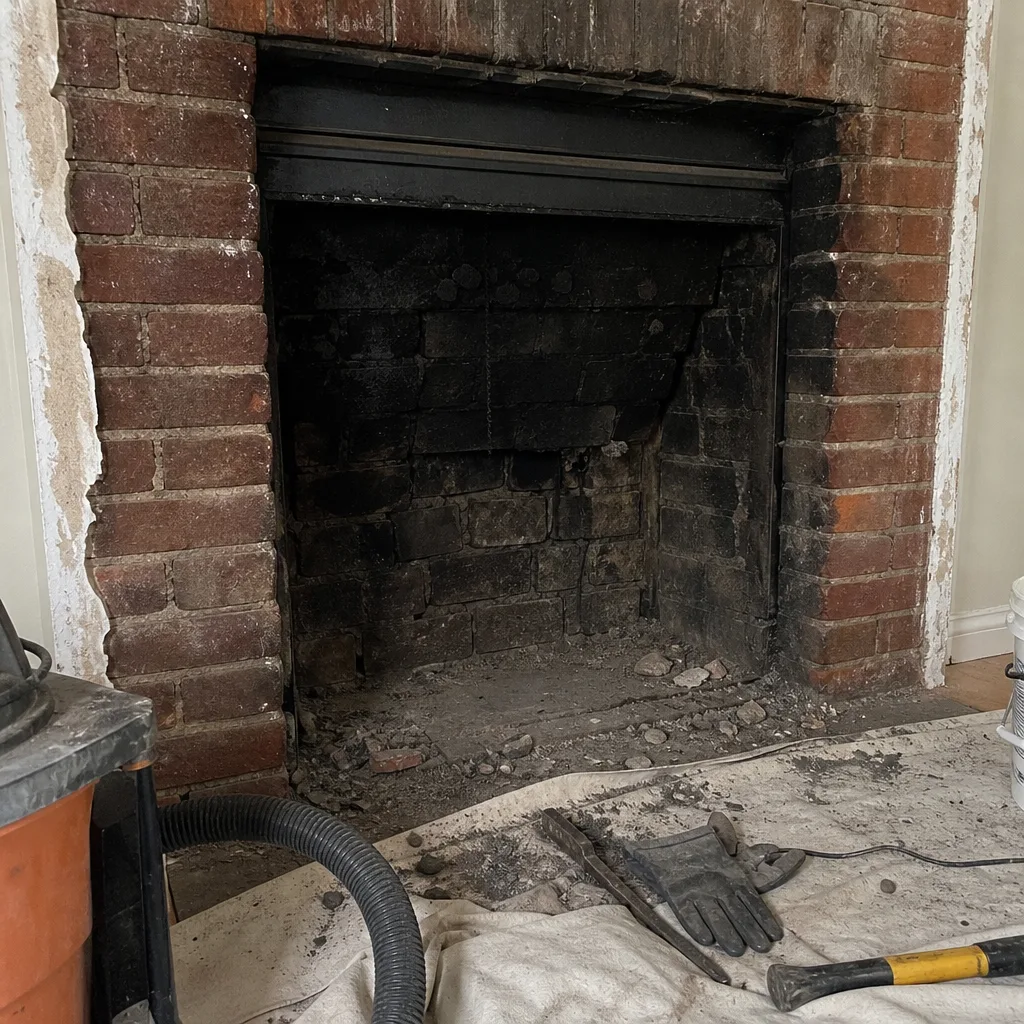 Before
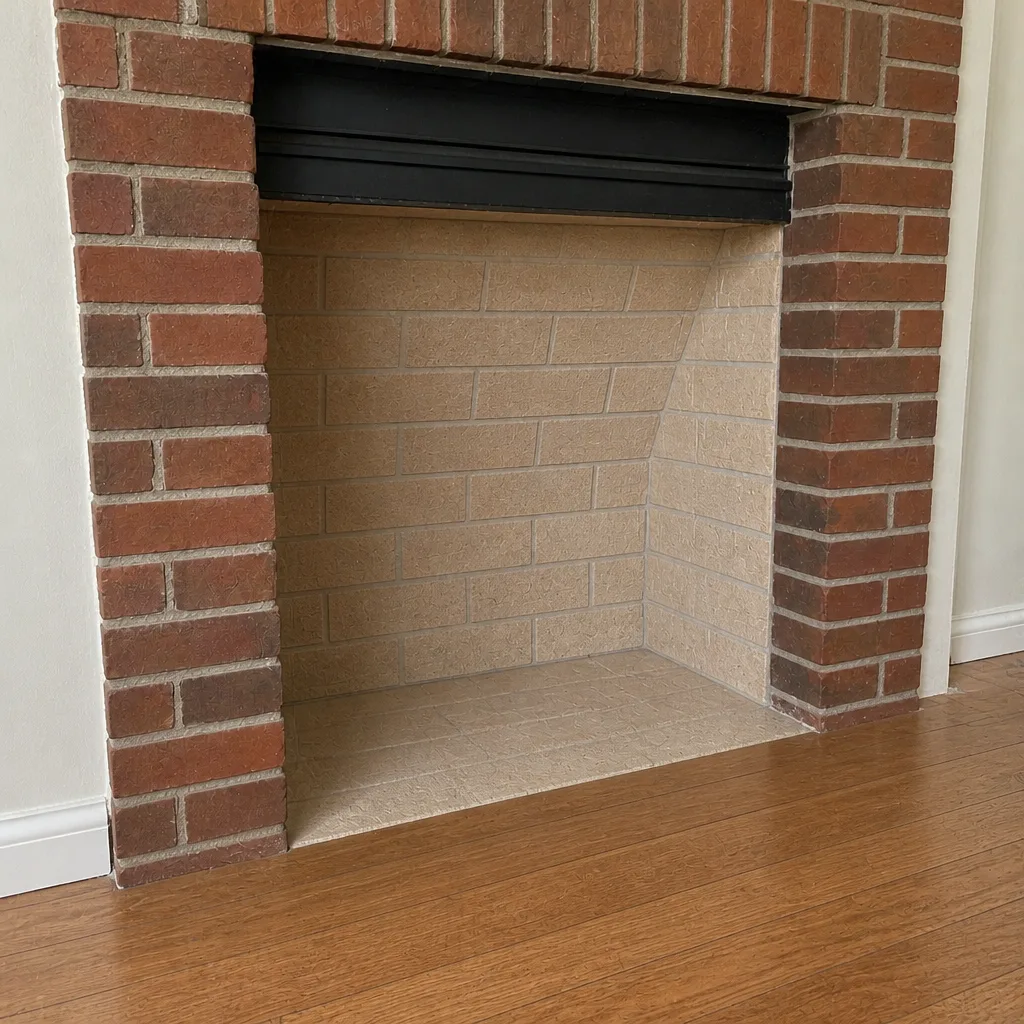 After
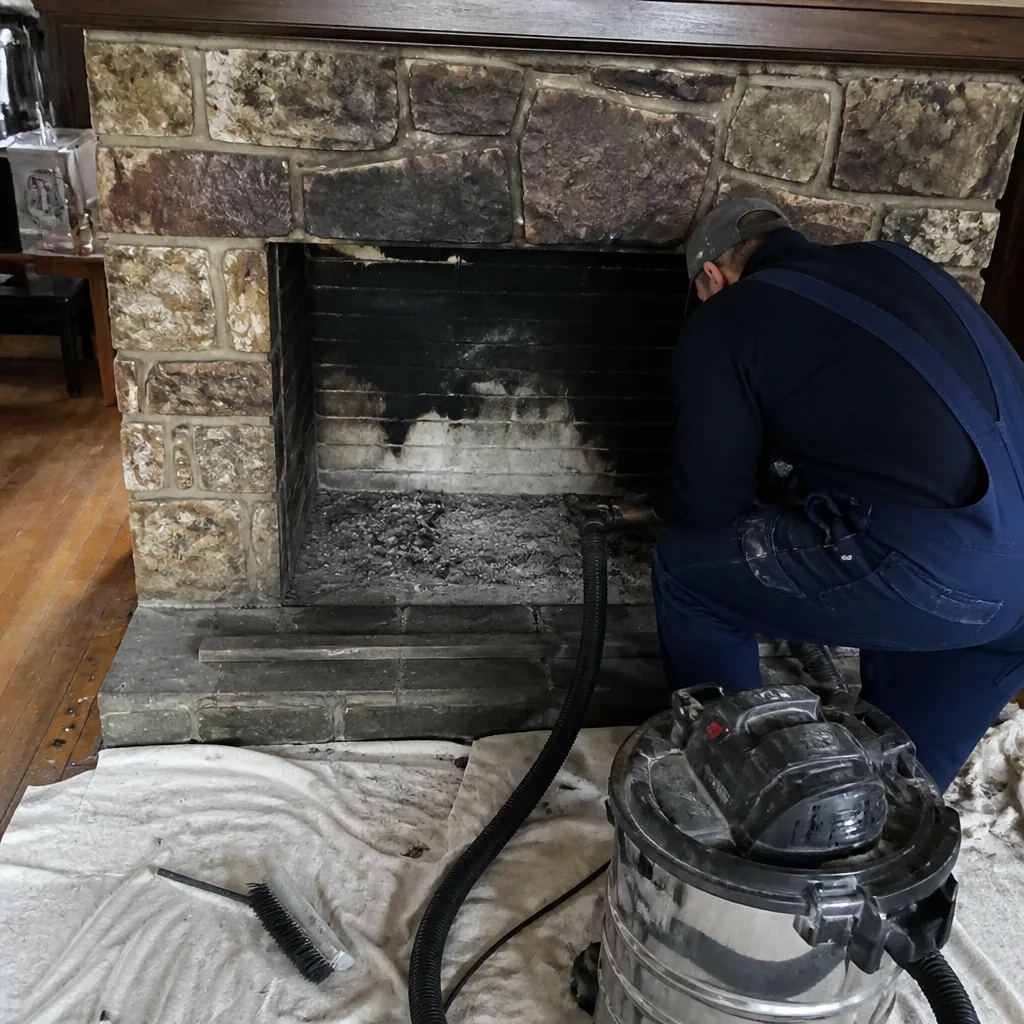 Before
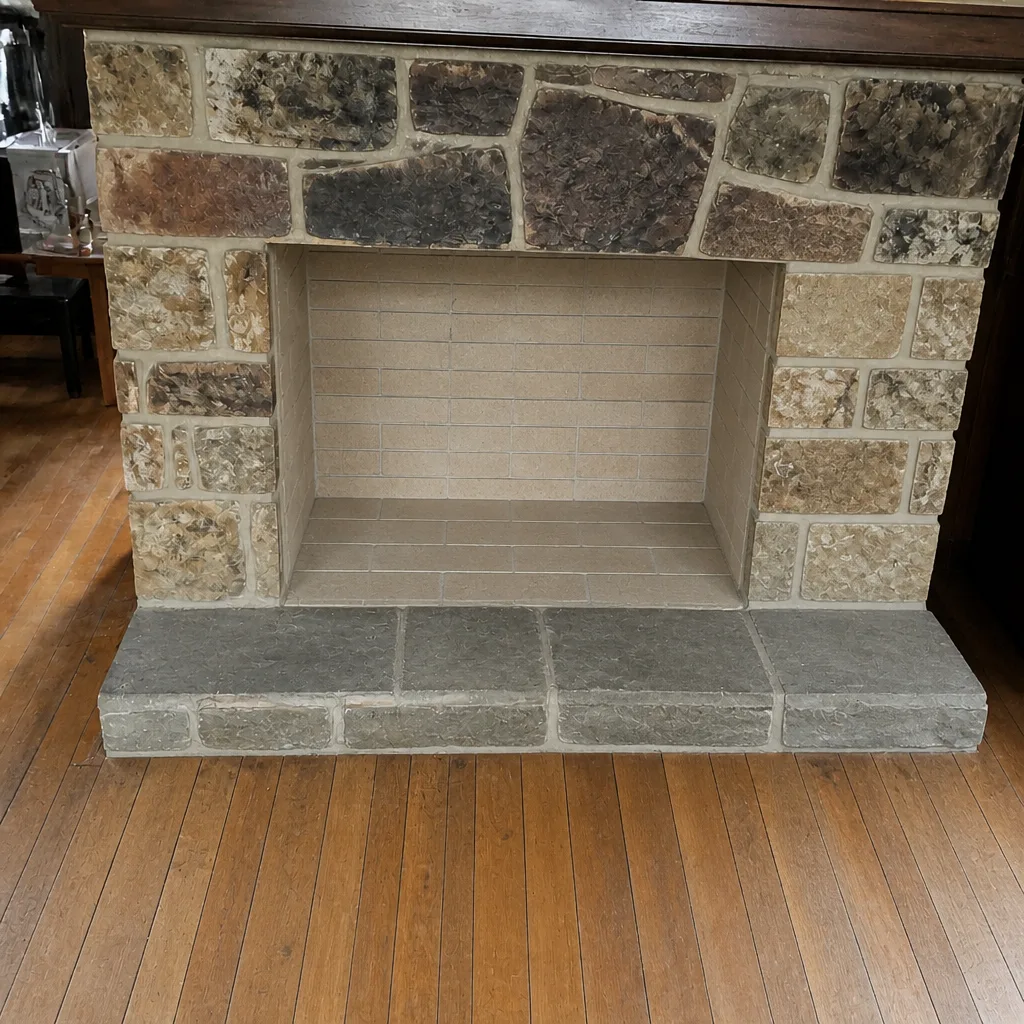 After
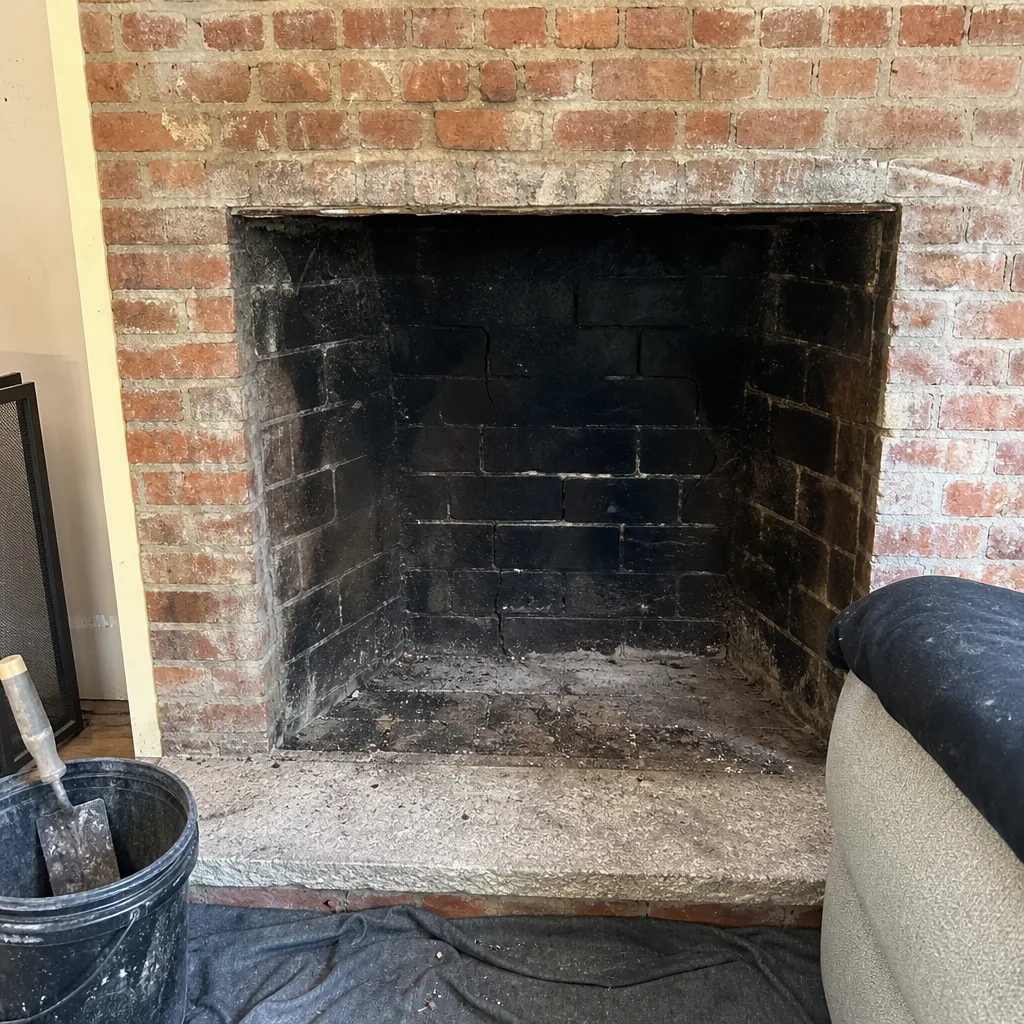 Before
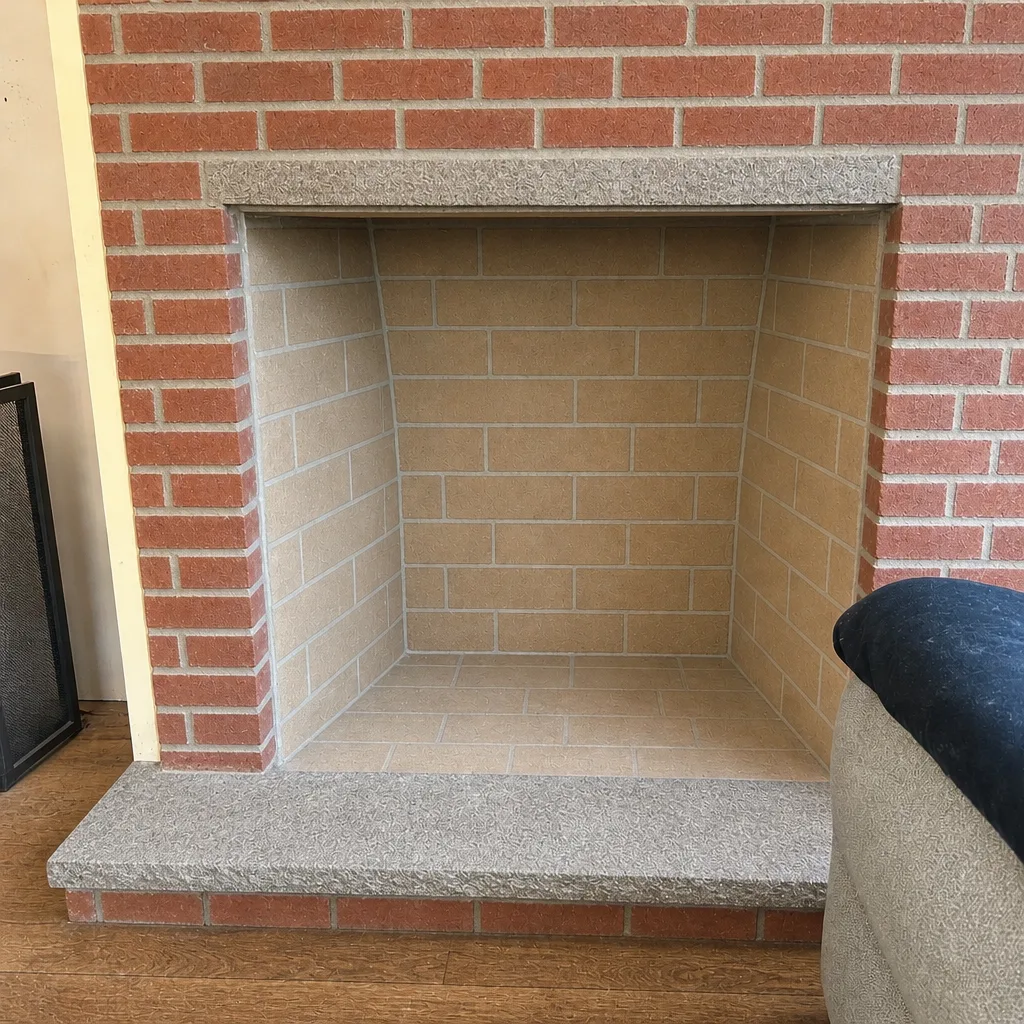 After
Common Mistakes to Avoid
- Treating efflorescence as a stain. White powder on the outside is water finding a way out, which means it’s also finding a way in. Cleaning it off the surface without diagnosing the watermark underneath is the classic error, and in a Concourse winter it becomes a crack by the following spring.
- Ignoring the smoky smell. A sour, smoky odor in the room with no fire, especially in late summer, means the flue is loaded with creosote and soot and the moisture in them is off-gassing. Most people figure it will air out, and it does, but the creosote is still there.
- Burning unseasoned wood because it’s cheap. Wet wood produces more creosote because the fire runs cooler and more incomplete. The savings on cheap wood don’t cover the cost of sweeping up the mess it leaves.
- Sweeping a flue and calling it done. A sweep is necessary, but it’s not a diagnosis. A blocked or undersized flue can look perfectly clean after a sweep, and a cap or crown problem won’t show up in the flue at all. Pair the sweep with a proper inspection.
- Trying to fix a damaged liner yourself. Liners are a fire and carbon monoxide component, and this is not a weekend project. Get a professional assessment and let a trained technician handle the repair.
- Waiting for spring to check exterior damage. A chimney that failed the winter test will look worse by the end of it, and spring rain into compromised mortar makes the repair more expensive than it would have been in October.
- Skipping the inspection because the fireplace is gas now. Gas fireplaces can still have blocked vents, drafting problems, and carbon monoxide risk. Every appliance that exhausts into a chimney needs inspection, not just wood-burning ones.
When to Call a Professional
Call a chimney professional if you see any Tier One or Tier Two sign from the framework above, if it’s been more than a year since the last sweep, or if you’ve just moved into a Concourse home and don’t know the chimney’s history. Call today if the smoke alarm or carbon monoxide alarm has sounded while the fireplace was in use. Call us before the first fire of the season if your wood stove or fireplace has a smoky smell, a draft that’s gotten worse, or an issue on the exterior masonry.
A professional is also needed for any work above the roof. A steep pitch, a two-story chimney, and a slick roofline are not a safe combination for a homeowner with a broom, and the risk isn’t worth the savings. Chimney Sweep Concourse offers free estimates in Concourse. Call (877) 792-5845. We answer 24/7. Fast dispatch from 7am to 7pm, Sunday through Friday. Nothing is recommended without evidence you can see for yourself, and the price is set per job by the written estimate.
Frequently Asked Questions
The serious signs are a cracked or missing flue liner, smoke rolling into the room, heavy creosote flaking into the firebox, and a carbon monoxide alarm sounding while the fireplace is in use. Any of those is a stop-using-it-immediately signal, regardless of when the chimney was last swept. Tier Two signs like efflorescence, spalling, and a smoky smell with no fire should get an inspection within about a month. Call (877) 792-5845 for an exact quote; estimates are free and we answer 24/7.
A chimney should be swept once a year for most homes that use a wood-burning fireplace regularly, and more often if you burn a lot of fires or notice any warning signs. The one-year rule is a general standard, not a guarantee, so a professional sweep is also the best time to inspect for signs that tell you when the next sweep is needed. A gas appliance exhausts into the same kind of chimney and still needs an annual inspection even if it burns clean. Call (877) 792-5845 for an exact quote; estimates are free.
White staining is efflorescence, and it means water is actively moving through your masonry. It’s not a cosmetic stain to be scrubbed off. In a Concourse winter, moisture inside brickwork freezes and expands, which can turn into spalling brick and receded mortar joints within a single season. Have it inspected so the source of the water is diagnosed, not just the powder wiped away. Call (877) 792-5845 and we’ll set up a free estimate.
It often does. A smoky smell in a room with no fire usually means creosote and soot piled inside the flue are drawing in moisture from the air and releasing odor back into the room. In practice, that’s the flue telling you it’s due for a sweep. It can also point to a draft or pressure problem, which a professional inspection can distinguish. Call (877) 792-5845 for an exact quote; estimates are free.
A blockage comes on suddenly in a chimney that was drawing fine until recently, and it’s usually caused by bird or animal nesting, a dislodged brick, or a broken cap. A structural draft problem shows up gradually and consistently, and it’s built into the chimney’s design, such as the wrong flue size or a short stack. The two produce smoke in the room but need different fixes, so the diagnosis comes first. Call (877) 792-5845 for an exact quote; estimates are free.
No. Smoke entering the room instead of going up the flue is a Tier One sign, and you should stop lighting fires until a professional has inspected the chimney. It’s not just a performance nuisance. It puts combustion gases, including carbon monoxide, into the room, and it can also point to a blockage or a fire risk in the flue. Call (877) 792-5845. We answer 24/7. A call outside dispatch hours is booked into the next opening, Sunday through Friday, 7am to 7pm.
The Bottom Line
Most chimney warning signs are readable from inside the home, but only if you know what to look for and how to sort them. Treat smoke rolling into the room, a cracked liner, heavy creosote, or a carbon monoxide alarm as an immediate stop. Treat efflorescence, spalling, crown cracks, and a smoky smell with no fire as a reason to get an inspection within about a month. Log the rest and mention them at your next sweep. Pairing a sweep with a proper inspection catches the problem when it’s small, before a Concourse winter compounds it, and gets the repair done with professional-grade materials rather than whatever’s on the shelf. Call (877) 792-5845. We answer 24/7. Fast dispatch from 7am to 7pm, Sunday through Friday.
Written by the team at Chimney Sweep Concourse.