
Last updated November 25, 2026
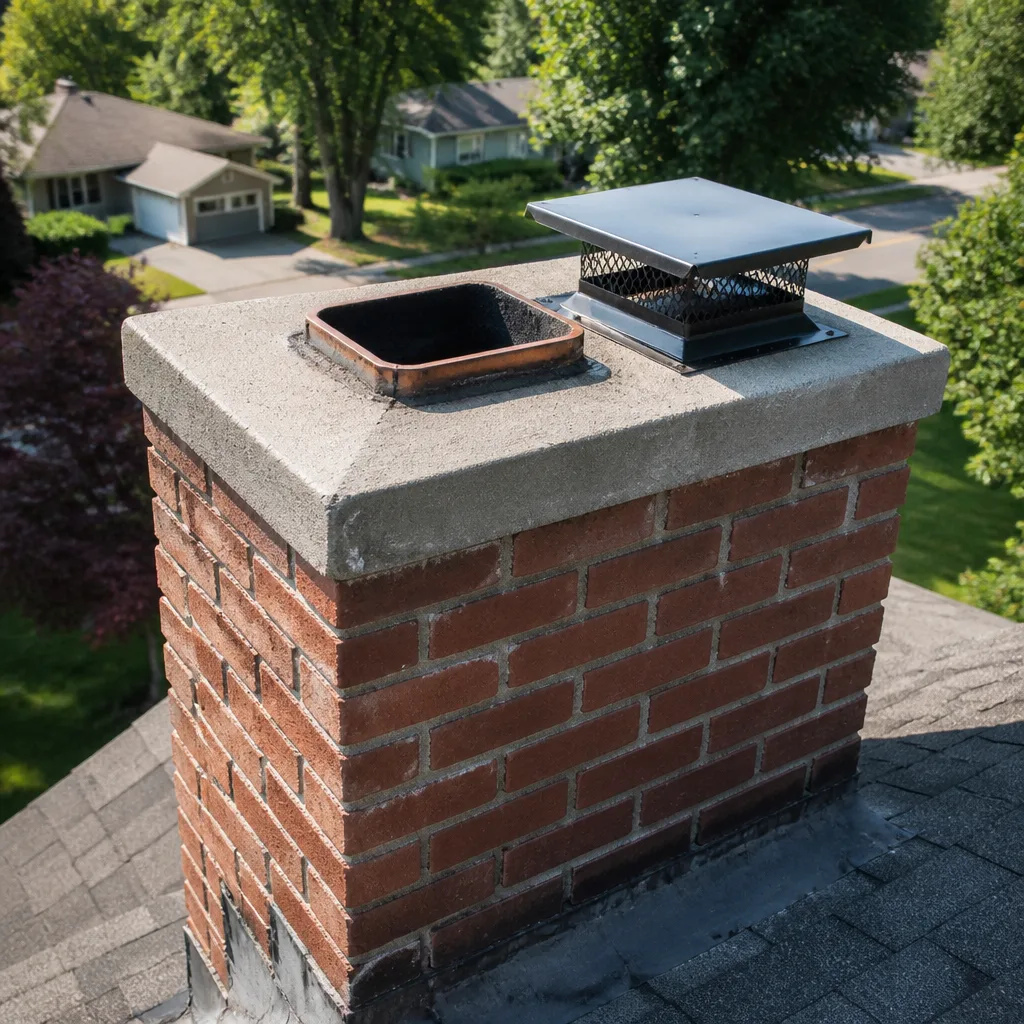 Sweep & inspection
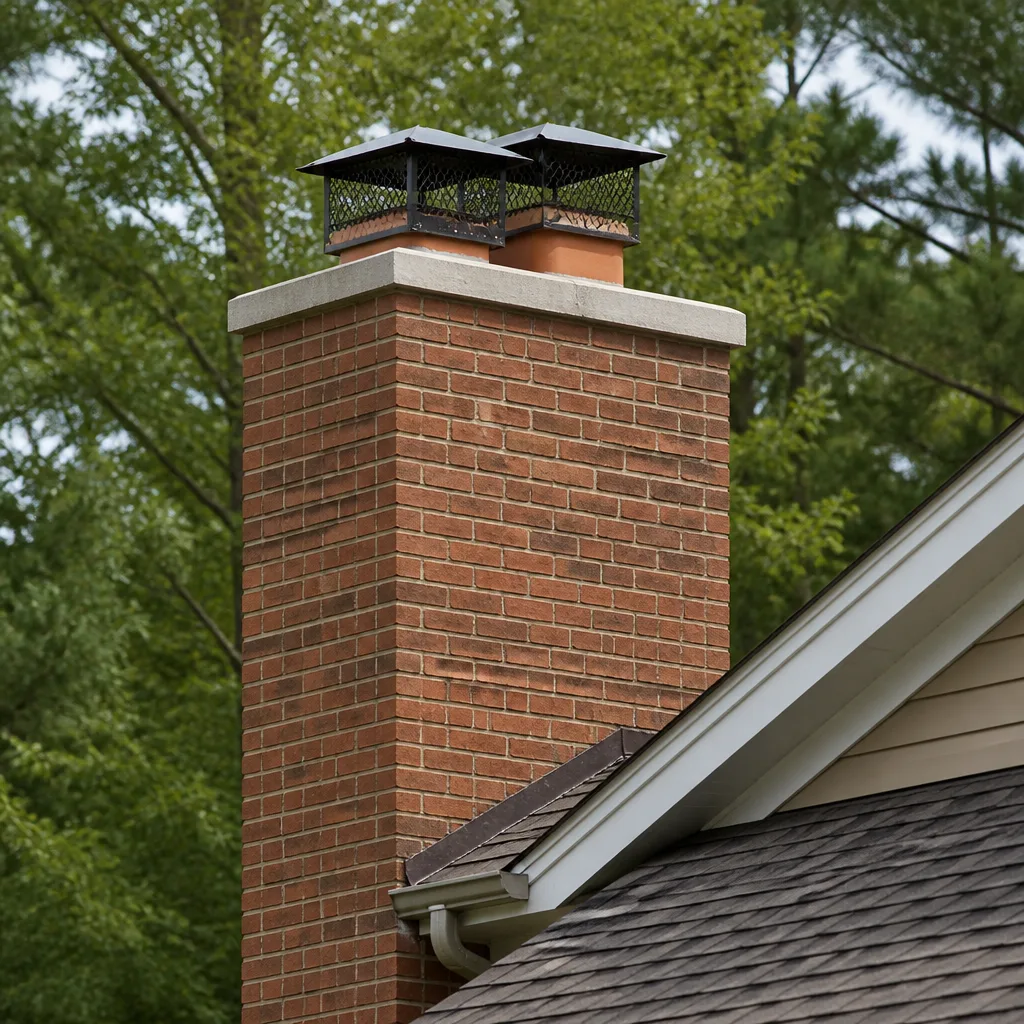 Caps & crowns
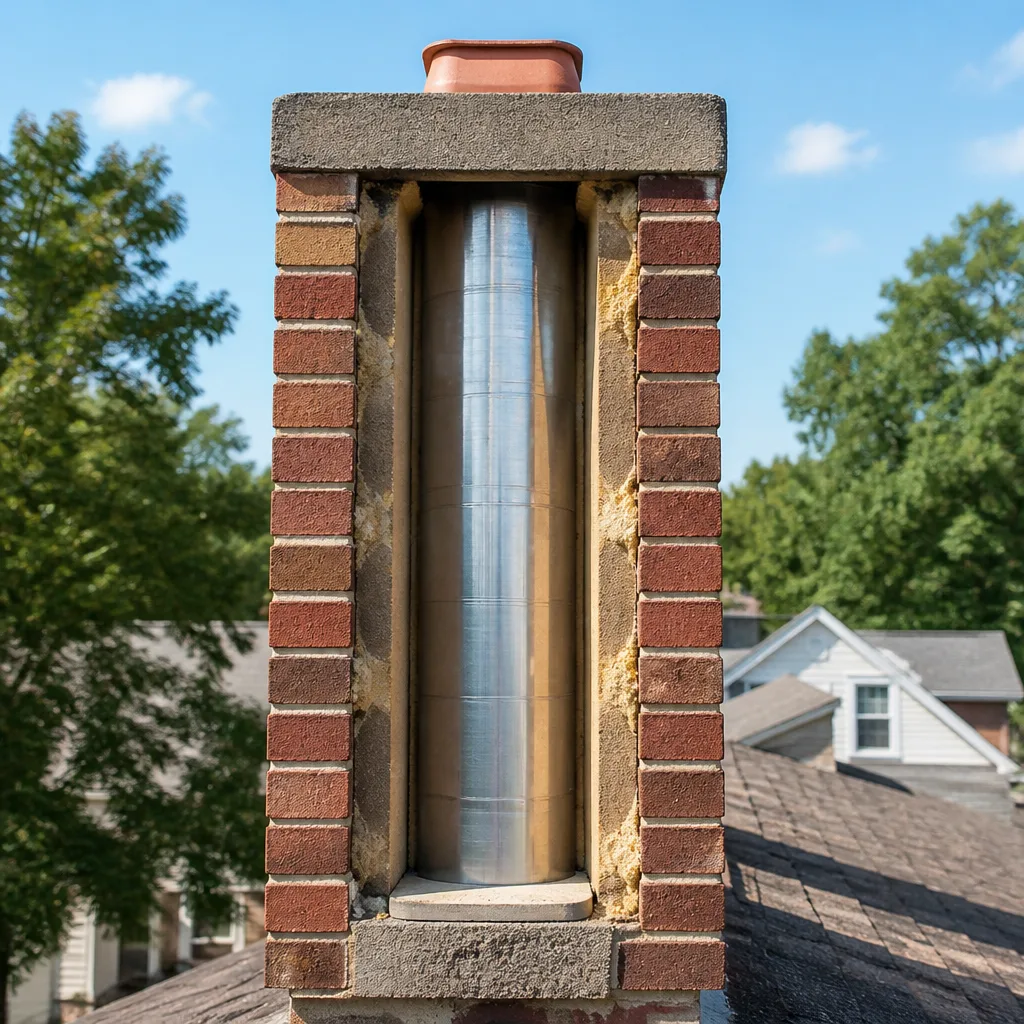 Flue relining
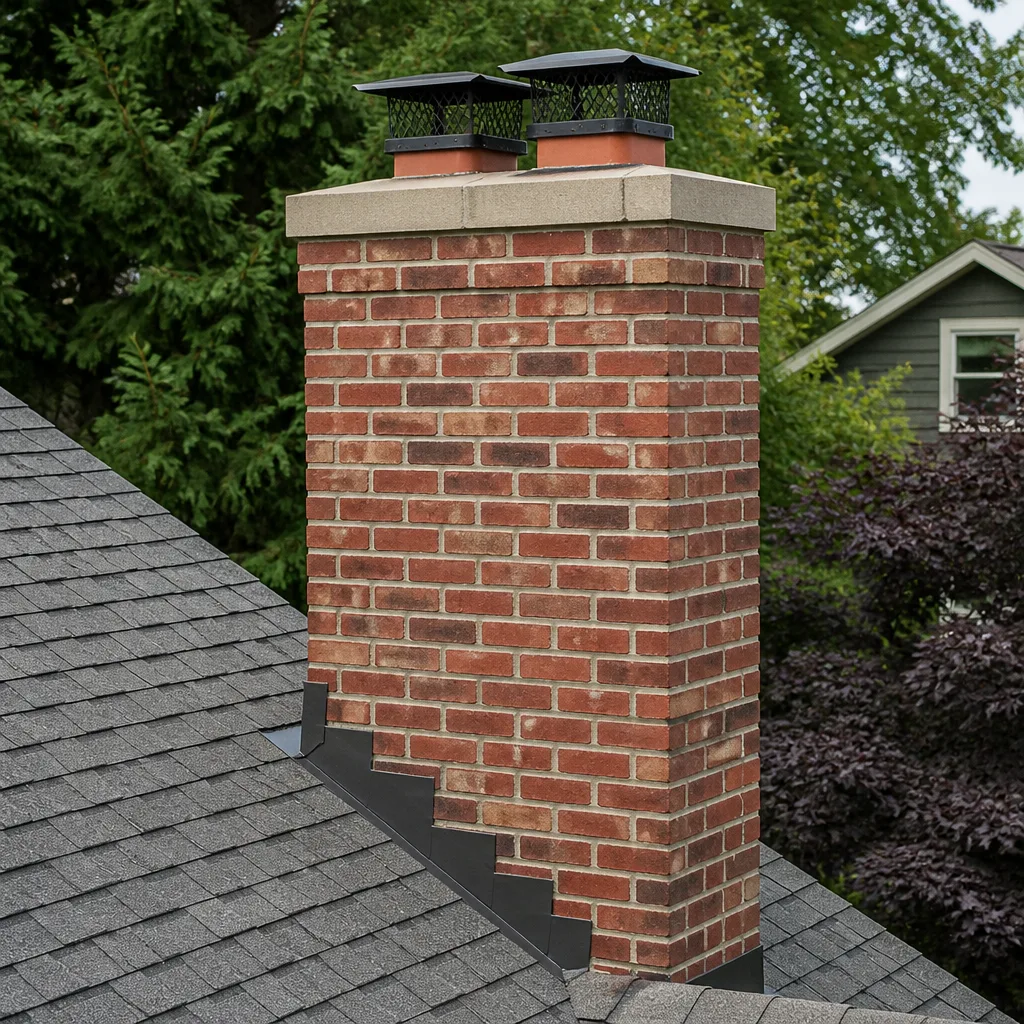 Masonry repair
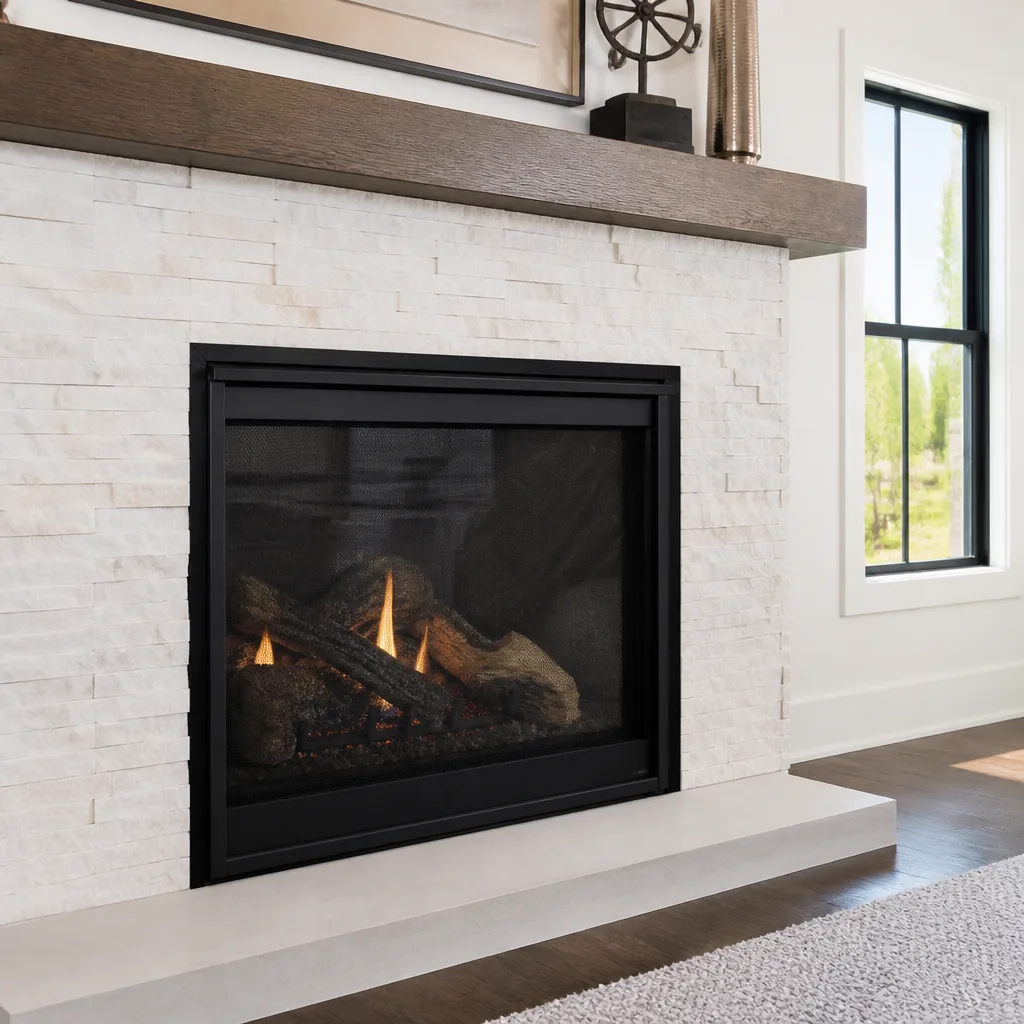 Gas fireplace service
Level 1 sweep and inspection to the NFPA 211 annual standard - flue, crown, cap, and flashing checked and photographed
Chimney sweep logs do not sweep chimneys. They loosen some creosote - which then falls where a brush and vacuum still have to collect it.
Chimney Sweep Troubleshooting in Concourse: Common Problems and How to Fix Them
If your fireplace smokes into the room every time you light it, the instinct is to call for a cleaning. But a dirty flue is only one of several possible causes, and cleaning the wrong problem costs you money without solving anything. Smoke in the room can come from a blocked flue, a backdraft caused by pressure imbalance, a flue that’s too short for the chimney’s height, or a damper that isn’t opening properly. Each has a different fix. In this guide, we walk through the most common chimney complaints we hear from homeowners in Concourse and map each symptom to its most likely structural cause. You’ll learn what a qualified sweep actually checks, what the findings mean, and when a problem can safely wait versus when it needs attention now. Chimney Sweep Concourse handles the diagnosis and the repair, so you’re not left holding a report and a list of contractors to call.
Quick Answer
Most chimney problems in Concourse fall into one of six categories: smoke entering the room (caused by blockage, backdraft, or negative pressure), creosote buildup and glazed deposits, water intrusion signaled by white staining, a cracked firebox, a damaged or missing chimney cap, and a failing crown. Each has a distinct fix. A professional inspection identifies which one you’re dealing with before any work begins. Chimney Sweep Concourse offers inspection, sweep, repair, cap and crown installation, and fireplace repair as separate services, so the diagnosis drives the recommendation rather than the other way around.
Styles & brands we work with
- Sweep & inspection
- Caps & crowns
- Flue relining
- Masonry repair
- Gas fireplace service
Table of Contents
- Why Does Smoke Come Into the Room?
- What Does a Creosote Smell in Summer Mean?
- What Does White Staining on the Chimney Exterior Tell You?
- Why a Cracked Firebox Is Not Cosmetic
- The Chimney Cap Checklist
- How a Failing Crown Cascades Into Bigger Problems
- Do You Need a New Liner?
- Common Mistakes to Avoid
Why Does Smoke Come Into the Room?
Smoke entering the room is the most common complaint we hear, and it has three distinct causes that require three different fixes. A blocked flue needs cleaning or obstruction removal. A backdraft from pressure imbalance needs ventilation or flue adjustment. A flue that’s too short for the chimney’s height needs a structural solution, not a sweep. If a technician only cleans the flue and leaves, the smoke will return.
The first thing to rule out is blockage. Nests, leaves, fallen mortar, and collapsed liner sections can all narrow or close the flue. A camera inspection confirms whether the flue is clear from top to bottom. If the flue is clear but smoke still rolls into the room, the problem is pressure.
Backdraft happens when the air pressure inside the house is lower than outside, or when competing exhaust fans (kitchen, bath, dryer) pull air down the chimney instead of up. Modern homes are tighter, which makes this more common. A chimney that shares a chase with a furnace flue can also experience backdraft if one appliance is running and the other isn’t. The fix usually involves improving combustion air supply, adjusting the damper, or in some cases extending the flue.
A third cause is a flue that’s undersized or too short for the firebox opening. A fireplace with a large opening and a short flue simply can’t draft properly. In our experience, this is the one homeowners are least likely to suspect because the chimney looks normal from the outside. The only way to know is to measure the flue and compare it to the firebox dimensions during inspection.
Before calling for a sweep, check two things yourself: that the damper is fully open, and that no birds or debris are visible at the top of the flue. If both are clear and smoke still comes into the room, you need a professional diagnosis. Call (877) 792-5845 and we’ll book an inspection. Our technicians have up to 11 years of experience matching symptoms to the right diagnosis.
What Does a Creosote Smell in Summer Mean?
A creosote smell in summer is not a sign that the chimney needs a standard sweep. It usually means glazed, third-degree creosote has formed on the flue walls and is off-gassing as temperatures rise. Standard sweeping brushes skip over glazed deposits because they’re too hard. Removing them requires a different process, and sometimes a liner assessment.
Creosote forms in three stages. First-degree is soot and flaky residue that a brush removes easily. Second-degree is a crusty, hardened layer that a rotary sweep can handle. Third-degree is glazed and tar-like, and it bonds to the flue surface. When summer heat and humidity hit a flue coated with third-degree creosote, the deposits release that sharp, smoky smell into the house. It doesn’t matter whether the fireplace was used last week or last winter.
Glazed creosote is also a fire risk. It’s the fuel source for most chimney fires, and it can’t be brushed away. A technician checks the flue with a camera, confirms the deposit type and depth, and recommends the appropriate treatment. In some cases, a chemical treatment loosens the glazing so it can be removed. In others, the flue surface has been damaged enough that a liner is the right call.
What a standard sweep won’t do is solve a glazed creosote problem. If a cleaning company tells you a routine sweep will fix a persistent summer smell, ask what they found on camera. Chimney Sweep Concourse includes camera inspection and a photo report so you can see the flue condition yourself. That’s the difference between a cleaning and a diagnosis.
What Does White Staining on the Chimney Exterior Tell You?
White staining on the outside of a chimney is called efflorescence, and it’s a moisture diagnostic, not a cosmetic issue. Efflorescence happens when water moves through masonry, dissolves salts, and deposits them on the surface as the water evaporates. Seeing it means water is getting into the chimney somewhere, and it’s finding its way out through the brick.
The source of that water is usually one of three things:
- A failing crown. The concrete cap on top of the chimney cracks and lets water run down into the masonry.
- A missing or damaged cap. Without a proper cap and spark screen, rain falls directly into the flue.
- Failed flashing at the roofline. The metal that seals the chimney to the roof can pull away, letting water run down the chimney sides.
Left alone, moisture intrusion damages the mortar joints, spalls the brick face, and eventually reaches the flue liner. Masonry that stays wet through freeze-thaw cycles in a Concourse winter will crack faster than dry masonry. Efflorescence is the visible warning that this process has already started.
What we check when we see efflorescence: we inspect the crown for cracks, look for a proper cap with a spark screen, and check the flashing. We also look at the interior of the flue to see if water has been reaching it. If the crown is cracked, we rebuild it using professional-grade materials from brands like Copperfield. If the cap is missing or wrong-sized, we install one matched to the flue. The staining stops when the water source is fixed, not before.
Why a Cracked Firebox Is Not Cosmetic
A cracked firebox is a safety issue, not a cosmetic one. The firebox is the masonry chamber where the fire burns, and it’s built to contain heat and direct combustion gases up the flue. When it cracks, those gases, including carbon monoxide, can escape into the room through the crack instead of up the chimney.
The threshold that matters is the temperature the firebox lining sees during a normal burn. Firebox brick and refractory mortar are rated to handle that heat when intact. Once a crack opens, the metal or masonry behind the lining is exposed to temperatures it wasn’t designed to withstand. That can lead to further cracking, fire spreading into the chimney structure, and, most seriously, carbon monoxide entering the living space.
What we check in a firebox inspection:
- The firebox floor for cracks and missing mortar
- The side and back walls for cracked or spalled brick
- The smoke chamber above the damper for deterioration
- The damper for proper operation and a tight seal when closed
If the firebox has hairline cracks in the refractory mortar, a HeatShield repair can often restore the surface without a full rebuild. If the cracks are through the brick or the firebox floor is compromised, a more extensive repair is needed. The point is that neither should wait. A firebox that’s losing integrity isn’t safe to use until it’s repaired.
If you’ve noticed a crack in your firebox, stop using the fireplace and book an inspection. Call (877) 792-5845. We answer 24/7. Fast dispatch from 7am to 7pm, Sunday through Friday. Chimney Sweep Concourse performs both the inspection and the repair, so you’re not coordinating between two companies.
The Chimney Cap Checklist
A chimney cap is the single cheapest piece of chimney protection, and a missing or failing one cascades into problems homeowners often blame on unrelated causes. Water in the flue, animals in the chimney, drafting issues, and premature crown damage all start with the cap. Here’s what to check.
- Is the cap present? A chimney with no cap is an open pipe. Rain, snow, birds, squirrels, and debris can all enter.
- Does the cap match the flue? A cap that’s too small or too large doesn’t seal properly. If the cap is mismatched to the flue size, it can restrict draft or allow water to run around the edges.
- Is the cap corroded or rusted? Rusted caps break down at the mesh spark screen first. Once the screen fails, animals can get in.
- Is the spark screen intact? A torn screen lets birds and squirrels nest in the flue, causing blockages and drafting problems.
- Is the cap attached securely? Caps that have come loose in wind or storm can shift and let water run down the outside of the flue, into the masonry.
What homeowners often misdiagnose: a draft problem in a chimney with a low, restrictive cap, a water-stained ceiling blamed on the roof when it’s rain entering the uncapped flue, and a chimney that smells like animals in summer when the cause is a nest in the flue. Each is traced back to the cap. Fixing it costs far less than the repair it prevents.
Chimney Sweep Concourse installs chimney caps and crowns using professional-grade components. When we install a cap, we match it to the flue dimensions and the chimney’s height, so it seals correctly and drafts properly. If the crown needs repair at the same time, we handle both, since the cap and crown work together to keep water out.
How a Failing Crown Cascades Into Bigger Problems
The chimney crown is the concrete or masonry slab at the very top of the chimney, and when it cracks, water gets into the chimney structure every time it rains. A cracked crown is the starting point for efflorescence, spalling brick, damaged flue tiles, and eventually a full chimney rebuild if it goes long enough.
A properly functioning crown slopes away from the flue so water runs off the sides rather than sitting on top. Over time, freeze-thaw cycles, settlement, and the sun cracking the concrete can open the crown up. Once there’s a crack, water runs into the masonry below. In some Concourse winters, that water freezes inside the brick, expands, and starts popping the brick face off. Once you see a chunk of brick face on the roof or ground, the damage has been going on for a while.
Crown repair is one of those jobs where the fix is obvious in the rearview mirror but easy to defer. If your crown has visible cracks, if a piece of masonry is missing from the top, or if efflorescence is showing on the chimney sides, there’s water getting in and the crown is the first place to look.
We rebuild crowns with proper drainage slope and durable materials. Where a crown is too far gone to repair, we replace it. That’s a bigger job, but it’s far less expensive than the structural repair that follows years of water damage. If you want a straight answer on what your crown needs, call (877) 792-5845 for an inspection. Estimates are free, and we’ll show you what we see on camera before we recommend anything.
Do You Need a New Liner?
You need a new liner when the existing flue liner is cracked, deteriorated, unlined, or the wrong size for the appliance. The liner is what contains combustion gases and keeps them moving up and out. A damaged liner lets those gases, including carbon monoxide, escape into the masonry and from there into the house.
Not every home needs a liner. An inspection determines whether the existing liner is sound and properly sized. If it is, a standard chimney sweep and annual inspection are all that’s needed. If the liner is damaged or missing, the fix is relining.
Modern relining uses stainless steel flexible liners. Brands like DuraFlex and Olympia Chimney make liners sized to the flue and rated for wood, gas, or oil appliances. When we reline a chimney, we match the liner to the appliance it serves and the flue dimensions, and we insulate the liner where the code or the flue condition calls for it.
The question we hear most is whether a liner is being recommended because it’s needed or because it’s a high-ticket item. That’s the right question to ask. Our answer is that nothing gets recommended without camera evidence of the liner condition. If the liner is intact, we say so. If it’s not, we show you the flue on camera so you can see the same thing we see.
A damaged liner is not a wait-and-see problem. If your fireplace or wood stove has a compromised liner, stop using it and get an inspection. Chimney Sweep Concourse performs liner inspections and replacements with chimney repair and relining handled in-house, so the diagnosis and the fix come from the same company.
What a Professional Sweep Actually Does
A professional chimney sweep is more than brushing soot off the flue walls. That’s one step. What we do on every visit is evaluate the entire fire system, from the cap to the firebox, so the sweep doubles as a condition check.
Here’s what a proper sweep and inspection involves:
- Lay drop cloths and set up containment so no dust or soot enters your living space.
- Inspect the firebox and smoke chamber for cracks, damaged mortar, and deposits.
- Check the damper for proper operation and sealing.
- Sweep the flue with the appropriate brush type for the liner material.
- Run a camera down the flue top to bottom to check the liner condition.
- Inspect the cap, spark screen, and crown from the roof level.
- Provide a report, including photos, of what was found and what, if anything, needs attention.
The reporting piece is where companies differ. Some clean, hand you a receipt, and leave. You don’t know what they saw on the flue. Chimney Sweep Concourse gives you a camera inspection and photo report so you can see the flue condition yourself. That’s also the basis for the repair recommendation, if there is one. If there’s no repair needed, we say so, and the sweep is the last step until next season.
Our sweep and inspection services are separate offerings for a reason. An inspection can be requested on its own, without a cleaning, if you’re buying a home or you’re worried about a specific problem. Having inspection as a standalone service keeps the diagnosis honest. Learn more about our full range of Chimney Sweep Concourse services on our main page.
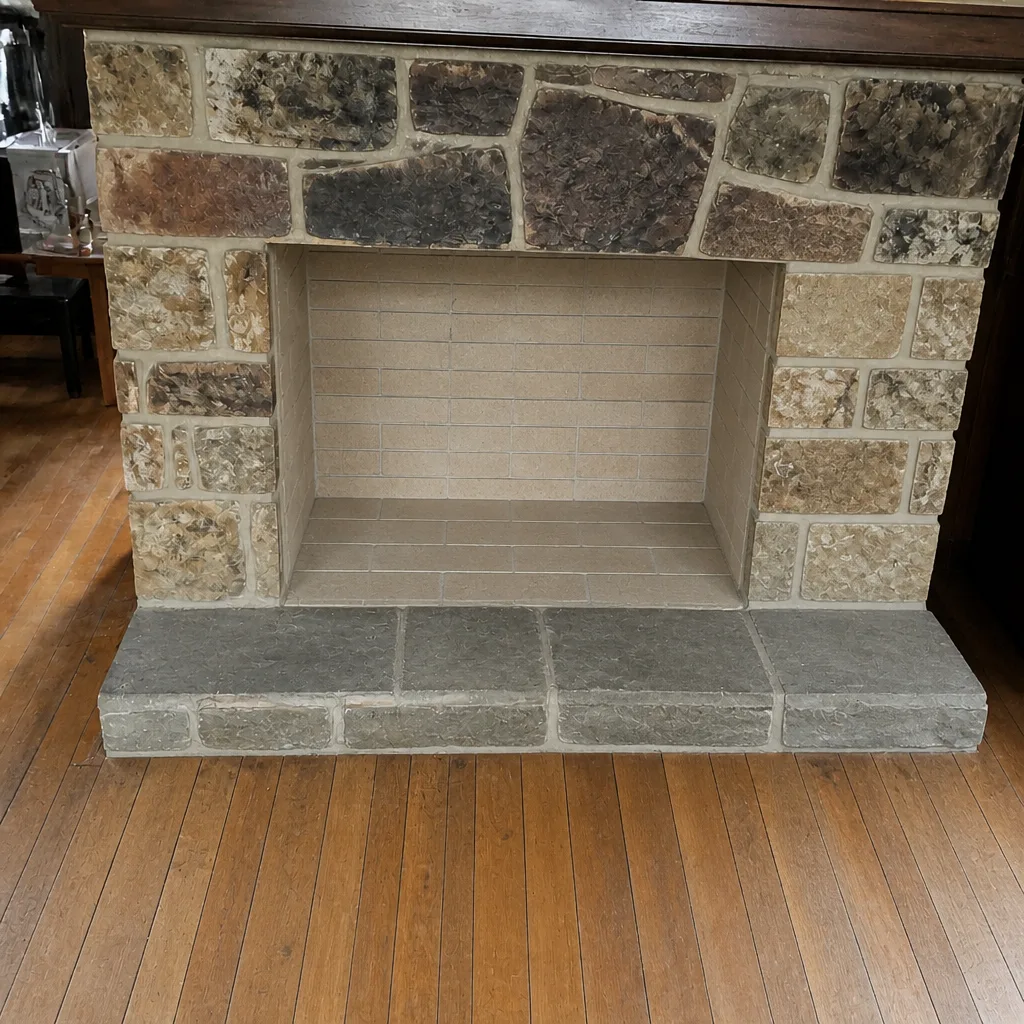
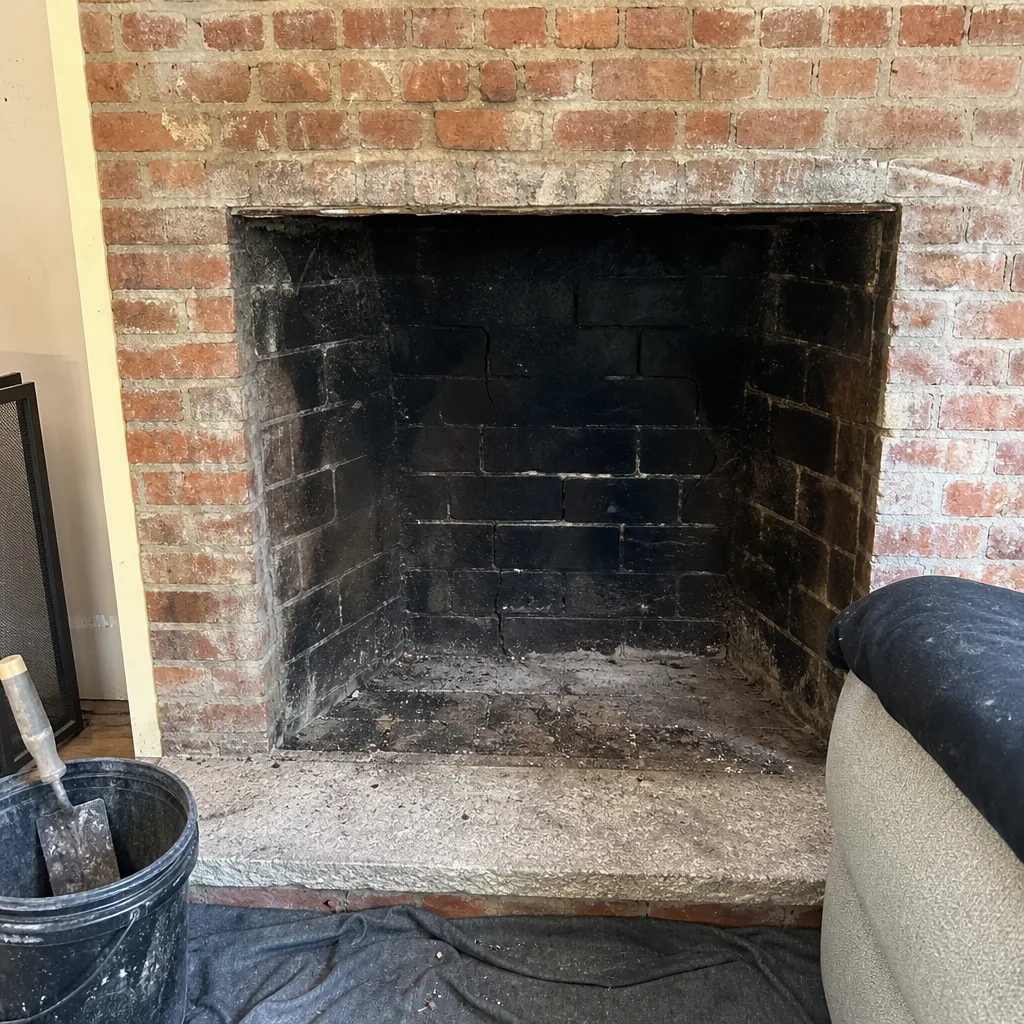
See the difference
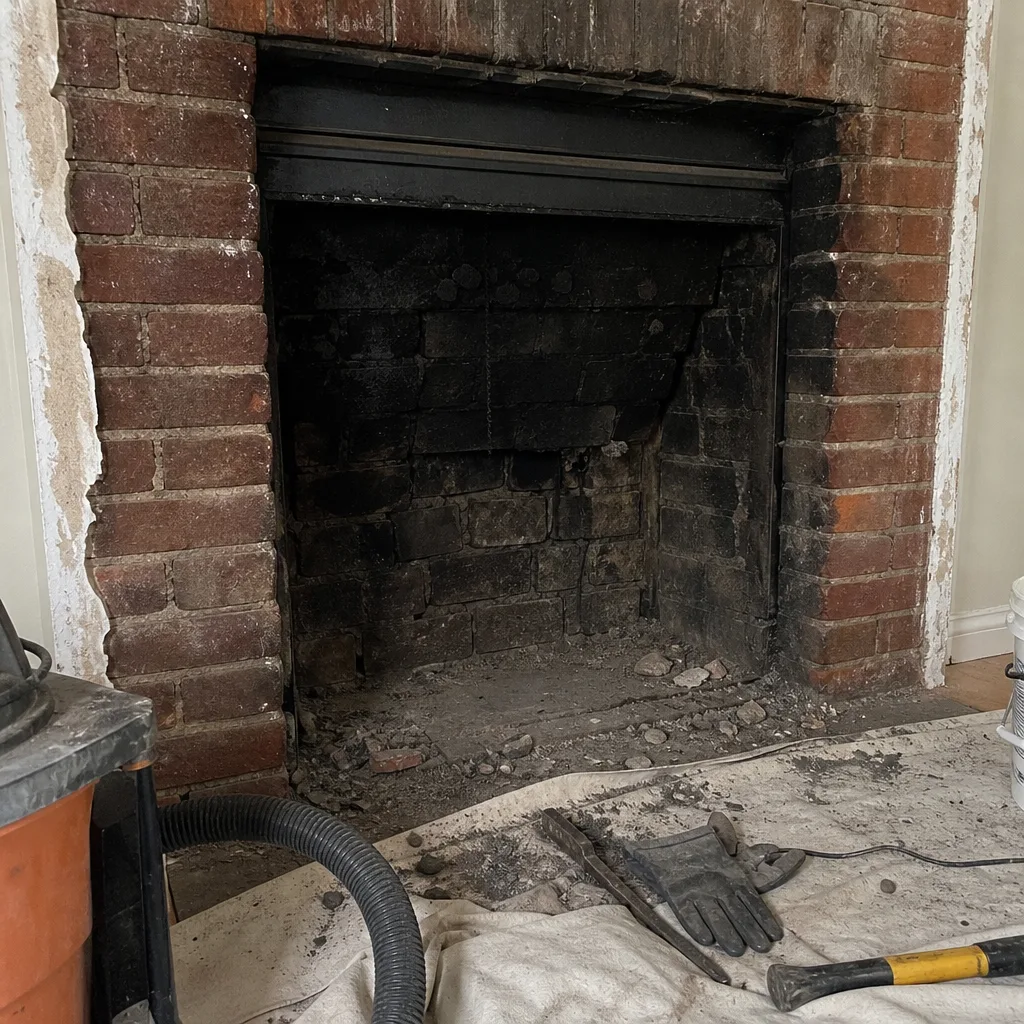 Before
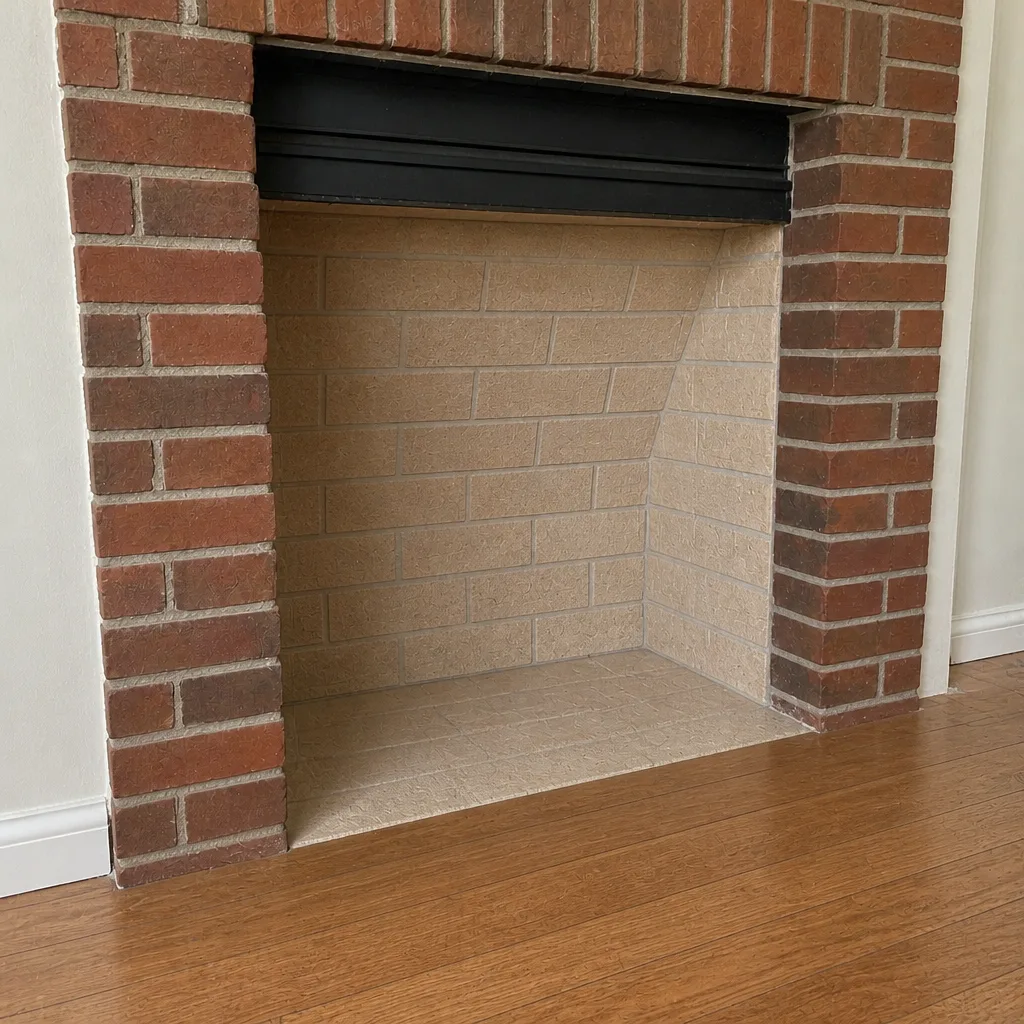 After
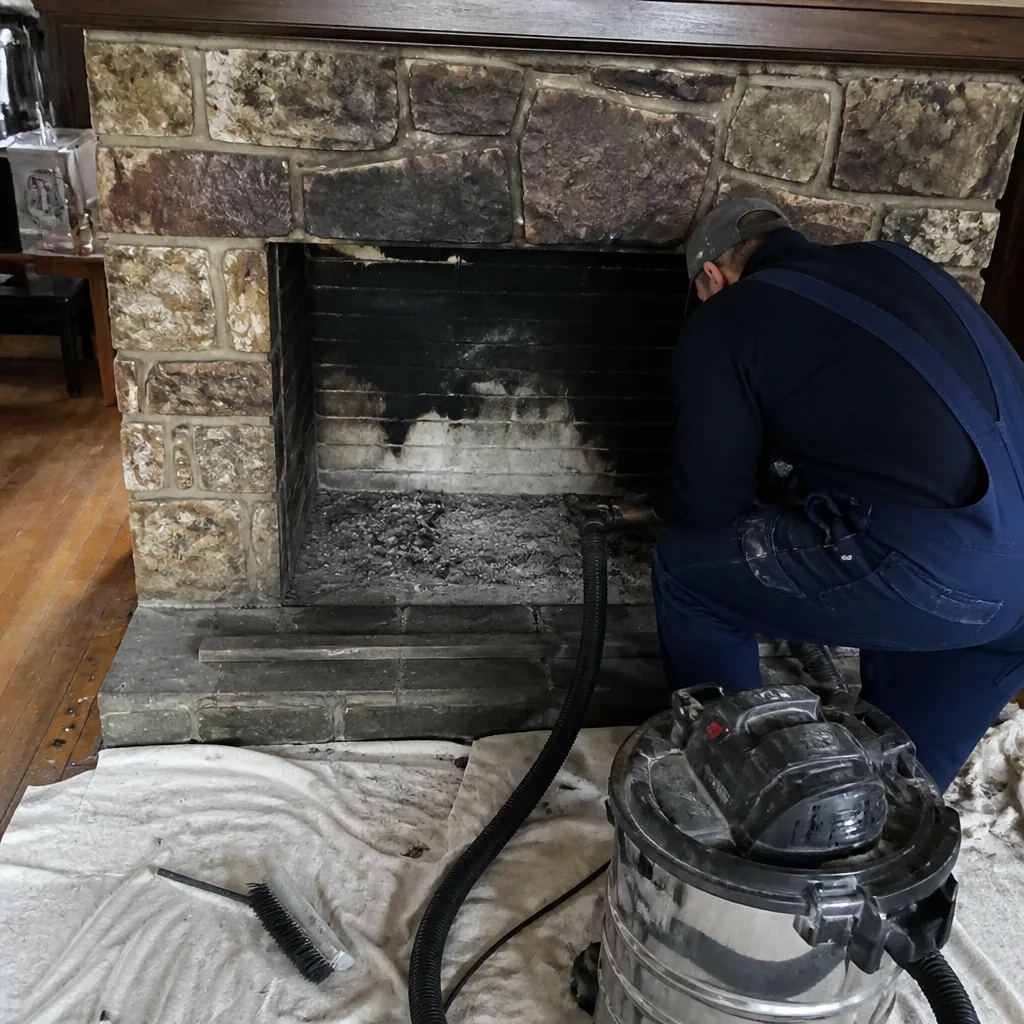 Before
 After
 Before
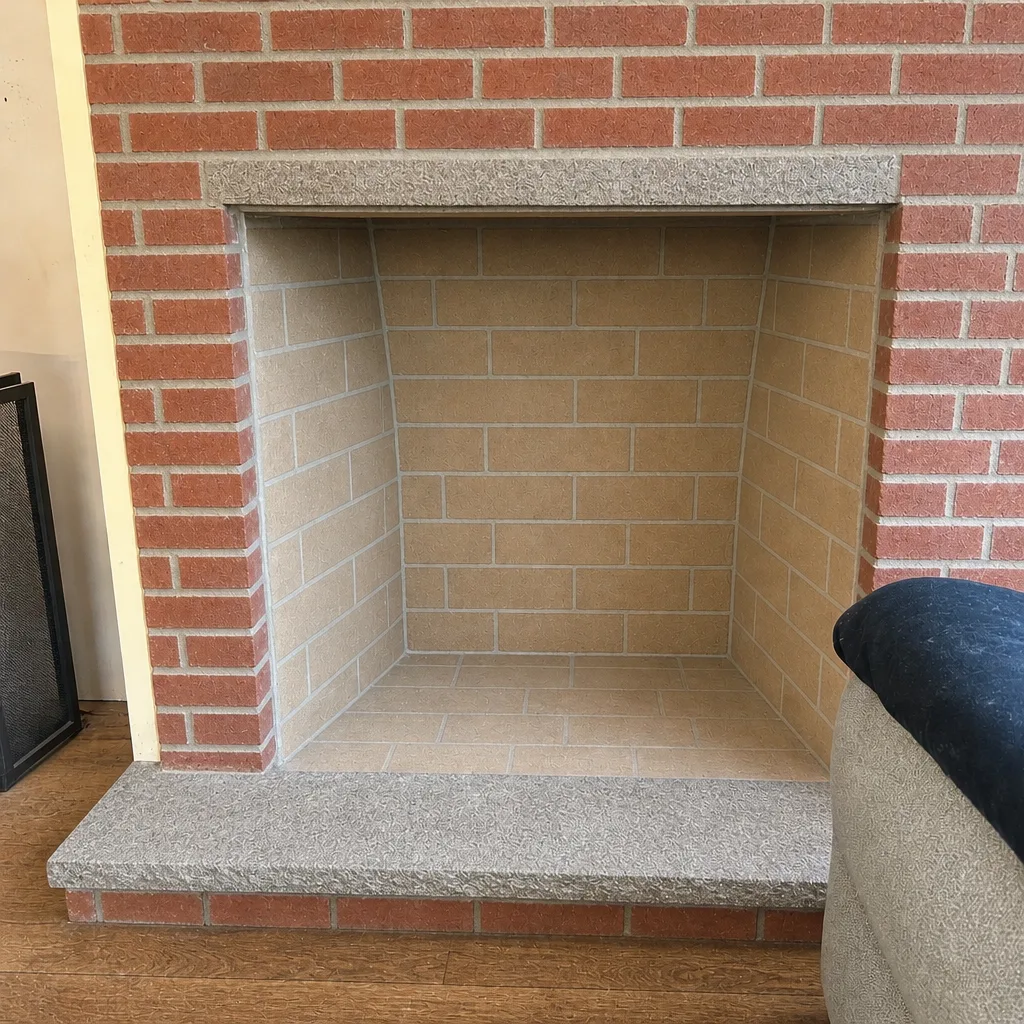 After
How Often Does a Chimney Need to Be Swept?
Most chimneys should be swept once a year, and this is checked by an inspection even if the sweep is deferred. The annual inspection catches liner damage, crown damage, and glazed creosote before they become expensive problems. Skipping the annual check is how small issues become big ones.
Some chimneys need more frequent sweeping. If you burn a lot of fires, burn unseasoned wood, or use the fireplace as a primary heat source, the flue can accumulate creosote faster. A chimney with glazed creosote building up in half a season needs more than an annual sweep. The same goes for a chimney that showed sign of damage or water intrusion at the last inspection. In those cases, we recommend a follow-up inspection on a shorter interval.
The yearly check is also a chance to look at things that don’t change often but do deteriorate, like the cap, crown, and flashing. When was the last time anyone looked at the top of your chimney? If you can’t remember, that’s a sign it’s due.
Book an inspection or a sweep by calling (877) 792-5845. We answer 24/7. Fast dispatch from 7am to 7pm, Sunday through Friday. A call outside dispatch hours is booked into the next opening, Sunday through Friday, 7am to 7pm.
Common Mistakes to Avoid
- Assuming every smoking problem is a dirty flue. Smoke in the room has three distinct causes. If cleaning doesn’t fix it, insist on a camera inspection and a pressure diagnosis. Otherwise you’ll pay for a sweep that doesn’t solve anything.
- Treating a creosote smell in summer as a routine cleaning reminder. Glazed third-degree creosote is a different problem, and a standard brush won’t touch it. If your chimney smells strongly in warm weather, ask specifically for a glazed deposit assessment.
- Ignoring white staining on the chimney exterior. Efflorescence means water is moving through the masonry. It will keep damaging the brick until the source is fixed, so treat it as a call for a crown, cap, and flashing check.
- Using a fireplace with a cracked firebox. A cracked firebox can let carbon monoxide into the room. Stop using the fireplace and get an inspection before the next burn.
- Leaving the chimney uncapped or with a rusted-out cap. A missing or failed cap lets rain in, animals in, and water into the masonry. It’s the cheapest fix on this list and the one with the biggest downstream impact.
- Hiring a sweep that doesn’t inspect. A cleaning without inspection means you don’t know the condition of your liner, firebox, or crown. Ask whether the sweep includes camera inspection and a report.
- Deferring crown repair because the chimney “looks fine from the ground.” The crown is at the top. You can’t see a cracked crown from the yard. If it’s been years since anyone inspected the top of the chimney, get it checked.
When to Call a Professional
Call a chimney professional when smoke enters the room and the damper is fully open, when you smell creosote or smoke in the house during warm months, when you see white staining or damaged brick on the chimney exterior, when the firebox has visible cracks, or when you haven’t had an inspection in over a year. Each of these signals a specific condition that a sweep can diagnose on camera. Don’t wait on a cracked firebox or a damaged liner; a compromised combustion system is a carbon monoxide risk, not a cosmetic one.
Chimney Sweep Concourse offers free estimates in Concourse. Call (877) 792-5845. We answer 24/7. Fast dispatch from 7am to 7pm, Sunday through Friday. A call outside dispatch hours is booked into the next opening.
Frequently Asked Questions
A chimney sweep in Concourse is typically priced per job based on the flue size, liner type, and whether an inspection is included. Because the written estimate sets the final price, we give you a number before any work begins, and the estimate is free. Call (877) 792-5845 for an exact quote. Estimates are free.
Only if the existing liner is cracked, deteriorated, unlined, or the wrong size for the appliance. An intact, properly sized liner doesn’t need to be replaced. Our recommendation is based on camera evidence of the liner condition, which we show you before recommending anything. Call (877) 792-5845 to book an inspection.
Once a year for most homes, with an inspection at the same time. Homes that burn frequently or burn unseasoned wood may need more frequent sweeping, and a chimney that’s shown glazed creosote or water intrusion needs a follow-up inspection on a shorter interval. Call (877) 792-5845 to schedule.
Small problems get worse. A cracked crown lets water into the masonry and damages the brick. A glazed creosote layer builds up and becomes a chimney fire fuel source. A damaged liner stays damaged and starts leaking combustion gases into the house. Skipping the annual check doesn’t stop the deterioration; it just means it happens without anyone catching it. Call (877) 792-5845 to book an inspection.
Often, yes. Because Chimney Sweep Concourse performs inspection, cap and crown installation, repair, and fireplace repair as one company, the diagnosis and the repair can happen on the same visit when materials and conditions allow. Call (877) 792-5845 to discuss your chimney’s specific needs. Estimates are free.
A summer smoke smell usually means glazed third-degree creosote is off-gassing, not that a cleaning is overdue. A standard sweep won’t fix it. You need a glazed deposit assessment and likely a treatment or liner recommendation. Call (877) 792-5845 to book an inspection.
The Bottom Line
Most chimney problems announce themselves as symptoms: smoke in the room, a smell in summer, staining on the exterior, a crack in the firebox. Each one has a specific structural cause, and the value of a professional is matching the symptom to the right fix before any work begins. A blocked flue, backdraft, and negative pressure all cause the same smoke-in-the-room symptom but need three different answers. Glazed creosote, efflorescence, and a cracked firebox are three more distinct conditions with their own remedies. Chimney Sweep Concourse handles inspection, sweep, repair, cap and crown installation, and fireplace repair as a single specialist, using professional-grade materials from brands like DuraFlex and Olympia Chimney. Call (877) 792-5845 for a free estimate and a straight answer on what your chimney actually needs.
Written by the team at Chimney Sweep Concourse.