
Last updated November 25, 2026
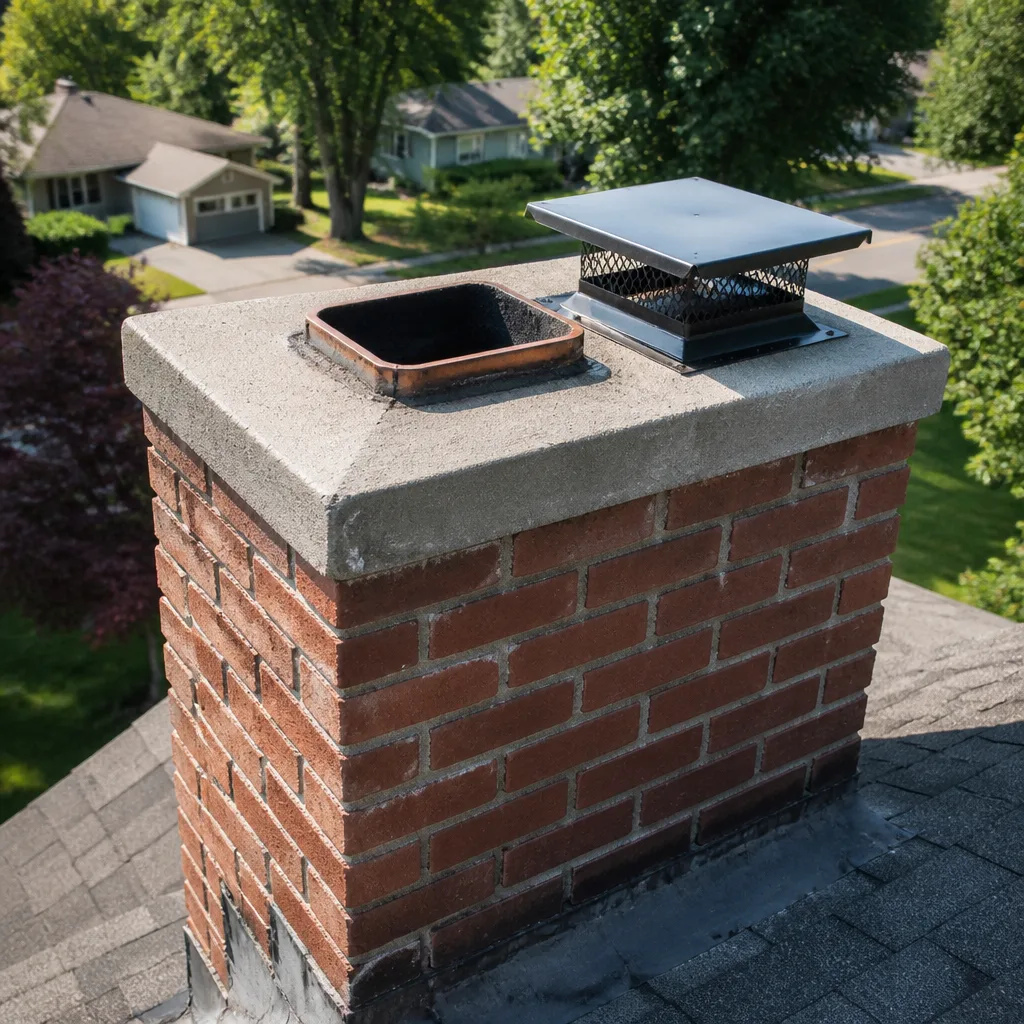 Sweep & inspection
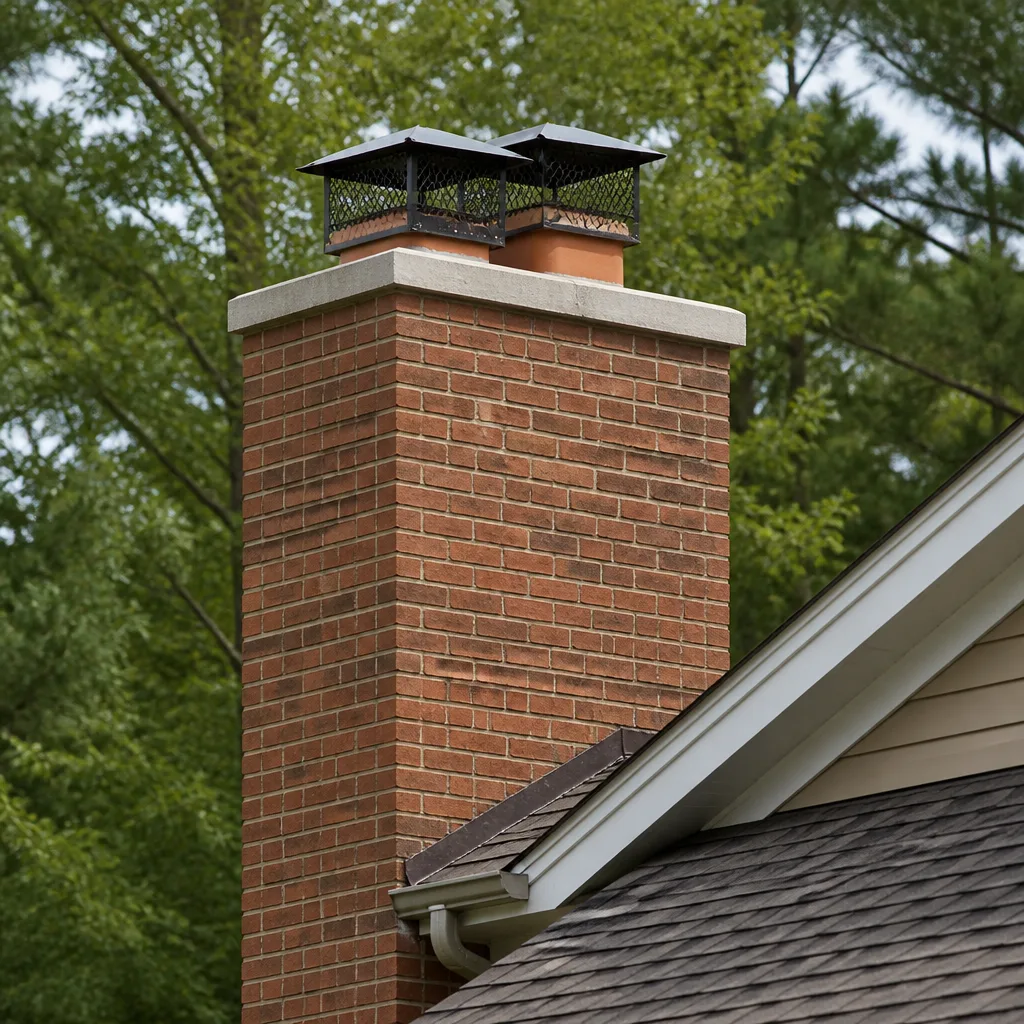 Caps & crowns
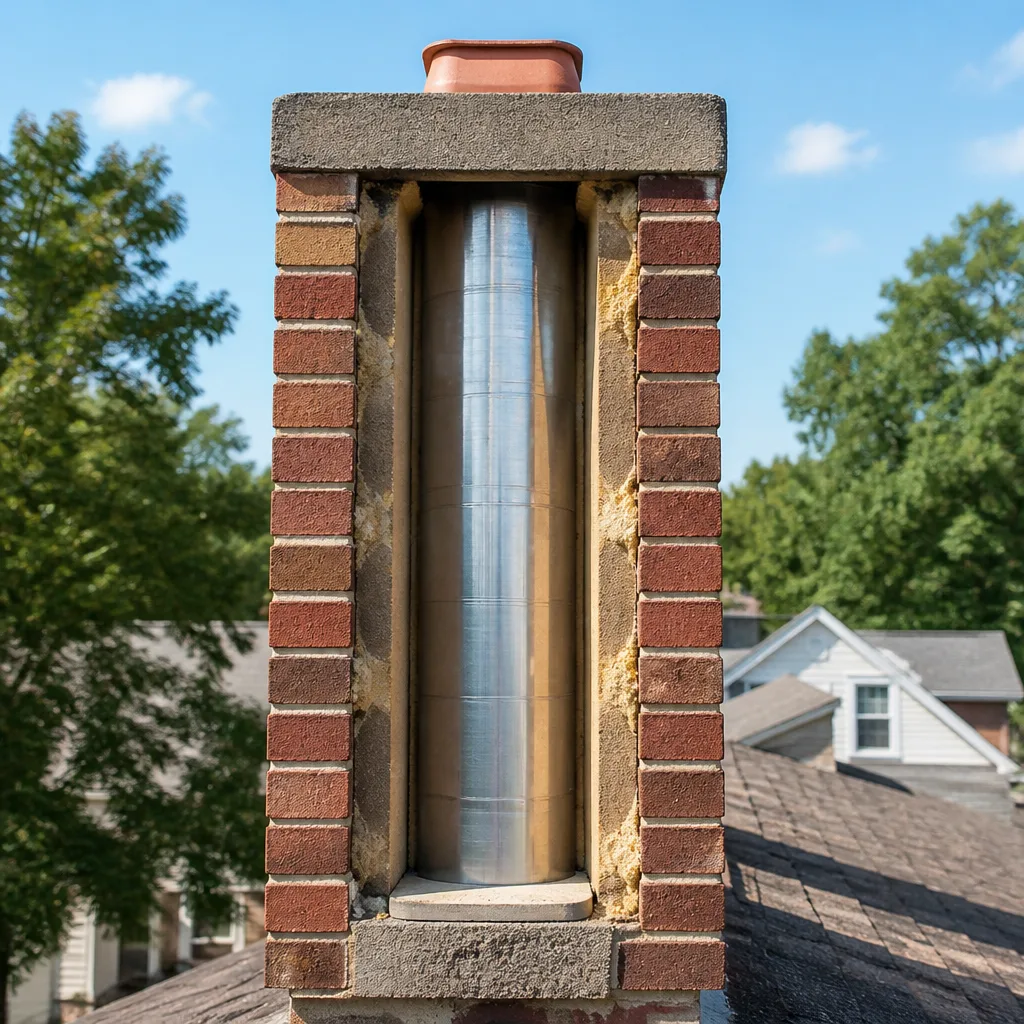 Flue relining
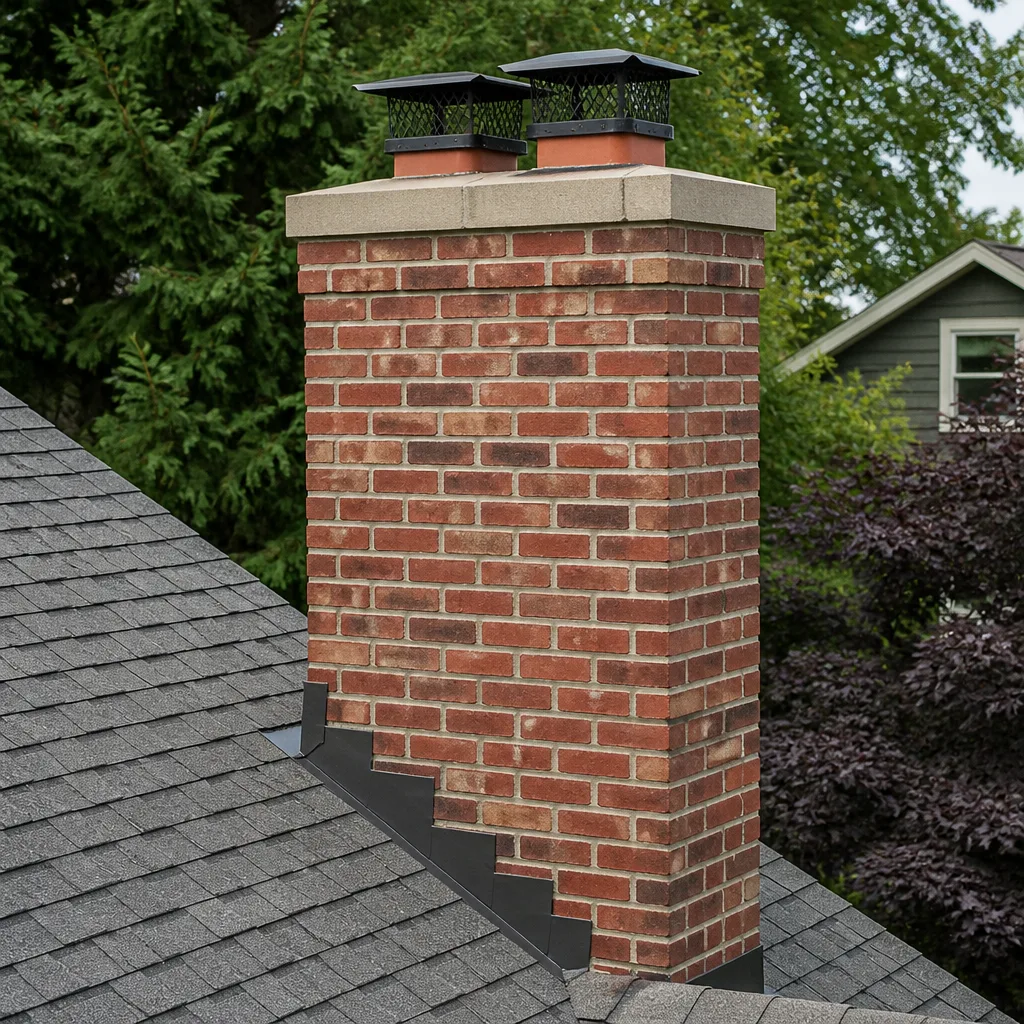 Masonry repair
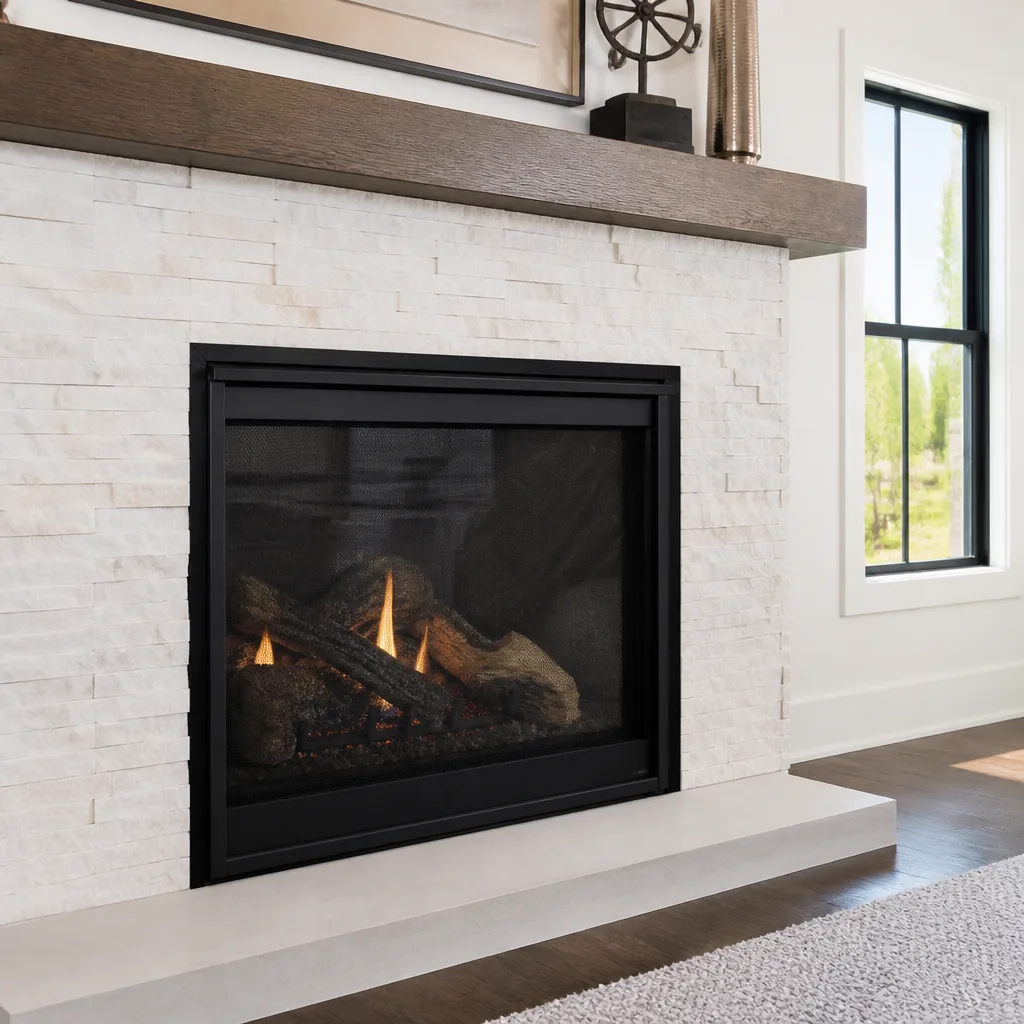 Gas fireplace service
Level 1 sweep and inspection to the NFPA 211 annual standard - flue, crown, cap, and flashing checked and photographed
Chimney sweep logs do not sweep chimneys. They loosen some creosote - which then falls where a brush and vacuum still have to collect it.
Chimney Cleaning Emergency Preparedness Guide for Concourse Homes
Most people picture a chimney fire as a roar, a shaking flue, maybe flames visible at the top. Sometimes it is. But in our experience, a large share of the chimney fires we find evidence of were quiet. They crept through the flue slowly, fed by a thin layer of glazed creosote, and burned themselves out before anyone in the house noticed. Homeowners in Concourse only learn about them later, when a technician points out heat-damaged liner tiles or warped seams that shouldn’t be there. That gap between what a chimney fire can look like and what people expect is exactly why preparation matters. This guide covers how to spot a chimney fire in progress, what to do in the right order, how carbon monoxide fits in, and what has to happen before you relight. Chimney Sweep Concourse works on these systems every week, and we’d rather you never need the emergency half of this guide.
Quick Answer
A chimney emergency in Concourse is most likely one of three things: a chimney fire (loud or silent), a carbon monoxide event from a blocked or cracked flue, or a sudden blockage that sends smoke into the room. Preparation means knowing the warning signs, keeping a short list of details on hand, and treating any event as a trigger for a Level 2 inspection under NFPA 211 before the fireplace is used again. None of that is optional if you burn wood.
Styles & brands we work with
- Sweep & inspection
- Caps & crowns
- Flue relining
- Masonry repair
- Gas fireplace service
Table of Contents
- How to Identify a Chimney Fire in Progress
- The Quiet Chimney Fire Most Homeowners Miss
- Immediate Actions If You Suspect a Chimney Fire
- Carbon Monoxide Risk and Why Detector Location Matters
- What to Do After Any Chimney Event
- Emergency Preparedness Before Anything Happens
- Chimney Conditions That Raise Your Risk Going Into Winter
- What Concourse Homes Face in Heating Season
How to Identify a Chimney Fire in Progress
A chimney fire can be obvious or nearly invisible, and the quiet version is the one that catches people out. A chimney fire is burning creosote inside the flue, the tarry byproduct of incomplete combustion that coats the liner over a heating season. When that deposit ignites, what you notice depends on how much is there, how hot it burns, and how well the flue is built.
Watch and listen for these signs, especially in the first few minutes after you load the stove or fireplace:
- A low rumbling or a sound like a distant train, or a sharper popping and cracking from the chimney itself.
- Dense smoke or a hot, acrid smell that doesn’t match what’s burning in the firebox.
- Sparks or flames visible at the top of the chimney.
- The chimney pipe or the wall around it feeling unusually hot to the touch.
- A puff of smoke coming back into the room when you open the glass doors.
- A sudden, strong draft that pulls more air than the fire should need.
If you see or hear any of these, assume there is a fire in the flue until a professional tells you otherwise. If none of them show up but your fire has been burning sluggishly with dark smoke and a heavy creosote smell all season, that’s a reason to book an inspection before the next cold snap in Concourse, not a reason to relax.
The Quiet Chimney Fire Most Homeowners Miss
The slow-burning version is why chimney professionals talk about “hidden” fires. When creosote ignites in a flue with limited oxygen, it can burn for a short time at lower intensity, charring the liner without producing the roar or the visible smoke plume people associate with an emergency. The fire goes out on its own. The damage doesn’t.
What we find afterward, when we sweep and inspect, tells the story: cracked or spalled clay tiles, heat-stained seams on a metal liner, warped components, and creosote that has baked into a hard, glazed glaze. Those are signs a fire moved through the flue at some point, and they’re easy to miss from the living room. A homeowner in Concourse may go a full season without knowing anything happened, then spot the damage during a routine chimney sweep the following autumn.
The lesson isn’t to panic about every heavy creosote smell. It’s to treat the flue as a system that needs a trained eye on it. Creosote buildup that reaches a quarter inch is enough to support a fire, and the difference between a clean flue and a dangerous one is something you can’t see from the hearth. That’s why an annual inspection is the real prevention, not a visual glance up the chimney with a flashlight.
Immediate Actions If You Suspect a Chimney Fire
If you think there’s a fire in your chimney, act in this order. The sequence matters because some instinctive reactions make things worse.
- Get everyone out of the house and call 911. A chimney fire can spread to the structure around the flue. That’s a fire department call, not a wait-and-see call.
- Close the glass doors on the fireplace or stove if you can do it safely. This limits the air feeding the fire from the room side.
- Do not close the damper. This surprises people, because closing it seems like smothering the fire. On many setups the damper is the only path for heat and smoke to escape, and closing it can push hot gases and pressure back into the flue and the house. Leave it open and let the fire department handle the flue.
- Get out and stay out. Once the fire department arrives, they’ll assess the chimney and the surrounding structure. Don’t go back in to check the firebox.
- Don’t relight anything until the chimney has been inspected. That’s covered further down, and it’s the step people skip.
If there’s smoke or a burning smell in the room but no obvious fire, treat it as a suspected event. Open a window, get everyone outside, and call. A false alarm is a much better outcome than a missed one. A quick call to (877) 792-5845 after the fire department clears the scene gets the inspection scheduled, and we answer 24/7.
Carbon Monoxide Risk and Why Detector Location Matters
Carbon monoxide is the quieter hazard in a chimney system, and it doesn’t announce itself with smoke or sound. It forms when fuel burns incompletely, and the chimney’s job is to carry it up and out. When the chimney can’t do that, CO backs into the living space instead.
Three conditions let that happen:
- A blocked flue. Nests, leaves, a collapsed liner section, or heavy creosote can narrow the flue enough that exhaust has nowhere to go.
- Negative pressure in the house. Tight modern construction, strong kitchen or bath exhaust fans, and a fire in a second appliance can all pull air down the chimney instead of up.
- A cracked or damaged liner. Breaks in the flue let gases escape into the wall cavities and back into the home.
Where you put the detector matters as much as having one. Carbon monoxide mixes with room air and can pool in sleeping areas before it reaches a detector near the kitchen. Mount detectors on every level of the home and outside each sleeping area. Check them before the heating season starts in Concourse, and don’t put one directly above the fireplace where normal trace amounts from a firebox can cause nuisance alarms.
If your detector sounds and you have a wood-burning appliance running, get everyone outside and call the fire department. Don’t wait to see if the alarm resets. After the all-clear, the chimney needs a chimney repair inspection to find out why the gases came back.
What to Do After Any Chimney Event
After any chimney fire, suspected fire, or CO event, a Level 2 inspection under NFPA 211 is required before the appliance is used again. That’s the standard, and it’s not a suggestion you can defer to next season. A Level 2 inspection goes beyond what you can see from the hearth: it covers the flue, the liner, the connections, and the accessible portions of the chimney structure, often with a camera.
Here’s what the follow-up looks like:
- Schedule the inspection as soon as the fire department clears the house. A chimney that has had a fire is a chimney with potential hidden damage.
- Get a written report, not a verbal “looks fine.” You want to know what was found, where, and what condition it’s in.
- Fix anything structural before relighting. Cracks, displaced tiles, and failed seams only get worse with another season of heat.
- Get the flue swept if the inspection recommends it. Creosote disturbed by a fire may need removal before the chimney is safe to use.
This is where working with one company matters. Chimney Sweep Concourse pairs inspection and repair so a problem found during the inspection can be addressed without a second contractor visit. We use professional-grade materials from brands chimney specialists trust – DuraFlex liners, HeatShield resurfacing products, Copperfield components – and we’ll tell you plainly which repairs are urgent and which can wait. Nothing gets recommended without camera evidence you can look at yourself.
Emergency Preparedness Before Anything Happens
The best time to think about a chimney emergency is before the first cold night in Concourse. A little preparation now shortens the response later and gives you the information a professional will ask for.
Keep these details in one place, on paper or on your phone:
- The name and number of your chimney professional. Ours is (877) 792-5845, and we answer 24/7. Fast dispatch from 7am to 7pm, Sunday through Friday.
- The model and type of your appliance. Wood stove, insert, or open fireplace, plus the make and model if you have it.
- The date of your last inspection and sweep. This is the first question any professional will ask.
- Whether your flue is lined, and with what. Clay tile, stainless liner, or unlined. If you don’t know, that’s a flag.
- The location of your CO detectors and the date the batteries were last changed.
Beyond the paperwork, walk your setup once before winter. Look at the cap at the top of the chimney. A missing or damaged cap lets rain, birds, and debris in, all of which are common causes of sudden blockages. Look at the damper. Check for cracks in the firebox brick and any rust on the flue pipe. If any of it looks wrong, get it looked at before you light a fire, not after.
Chimney Conditions That Raise Your Risk Going Into Winter
Some chimney conditions make an emergency more likely, and they’re worth knowing before the heating season in Concourse. Most of them are invisible from inside the house, which is why inspection matters more than any single sign.
- Heavy creosote. A quarter inch of buildup is enough to feed a fire. Glazed creosote, which forms at higher temperatures, is the most dangerous kind.
- An unlined or damaged flue. An unlined chimney lets heat reach the surrounding structure and lets gases escape into the house.
- A blocked or missing cap. Birds, squirrels, and leaf debris can close a flue entirely in a short time.
- Poor draft. A chimney that smokes back regularly is telling you the system isn’t venting correctly.
- Burning unseasoned wood. Wet wood produces more smoke and more creosote, and it’s one of the most common contributors to chimney fires.
- Over-firing. A fire hot enough to make the stovepipe glow is far hotter than the flue was designed to handle.
If you’ve had a chimney fire in a prior season, if your flue has never been inspected, or if the liner is older than you know, treat any of those as a reason to book a chimney cap & crown inspection and a sweep before winter. It’s cheaper and simpler than dealing with a damaged liner mid-season.
What Concourse Homes Face in Heating Season
Concourse sits in a climate with real winters, and that shapes how chimney systems age. Long, cold stretches mean the fireplace or wood stove runs hard for months. The firebox cycles through heat and cool-downs, the flue lining expands and contracts, and creosote builds up more with a fire that burns hot and fast than with a fire that smolders. The homes in Concourse mix older construction with newer tight builds, and each comes with a different chimney risk profile.
Older structures often have flues that have never been relined, or that have clay tiles past their useful life. Newer construction can be tight enough to draw exhaust down the flue through something as simple as a bathroom exhaust fan. Both situations call for the same answer: get the chimney inspected so you know what you’re working with, and get it swept before the first fire of the season. Our technicians have up to 11 years of experience with both types, and the inspection and repairs are handled by the same company, working with brands like Olympia Chimney and Famco that you’ll find in professional chimney supply chains.
Common Mistakes to Avoid
- Closing the damper during a fire. It seems like the obvious move, but hot gases and smoke need somewhere to go. Closing the damper can push pressure and heat back into the flue and the home. Leave it open and evacuate.
- Relighting after a chimney fire without an inspection. The fire department clearing the house doesn’t mean the chimney is sound. A Level 2 inspection under NFPA 211 is required before the next burn, and skipping it is how small cracks become structural damage.
- Assuming a quiet chimney is a safe chimney. Slow-burning creosote fires leave damage that produces no obvious sign. If your fire has been sluggish all season in Concourse, get the flue looked at.
- Putting the CO detector in the wrong place. A detector only near the kitchen misses sleeping areas. Mount them on every level and outside each bedroom, and test them before heating season.
- Running the chimney without a cap. A missing cap is one of the most common causes of sudden blockages from nests and debris. If the top of the chimney is open, fix it before winter.
- Burning wet wood to “stretch the supply.” Unseasoned wood makes more smoke and more creosote, and it’s a direct contributor to the conditions that cause chimney fires.
- Getting the repair report and walking away. A repair list you don’t act on is the same risk you started with, just better documented. If money or timing is tight, ask which items can safely wait and which can’t.
See the difference
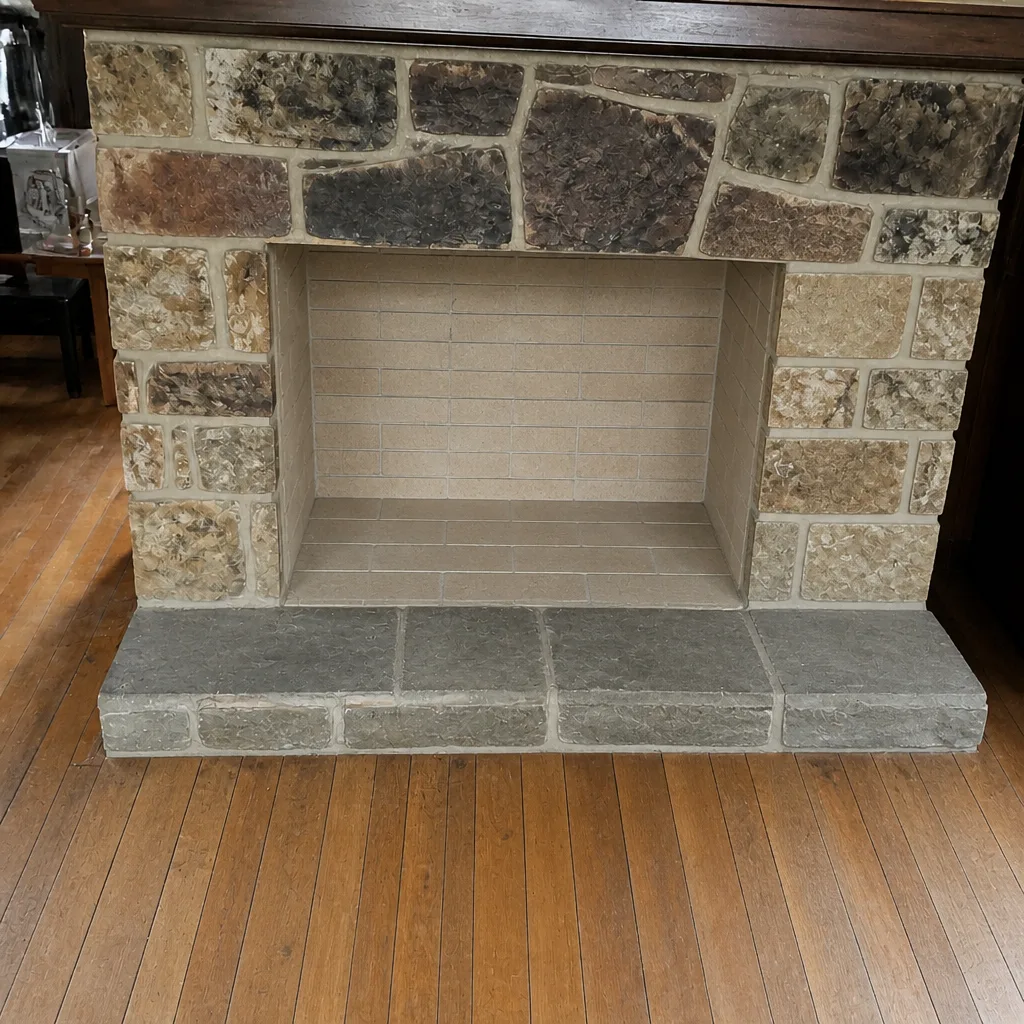
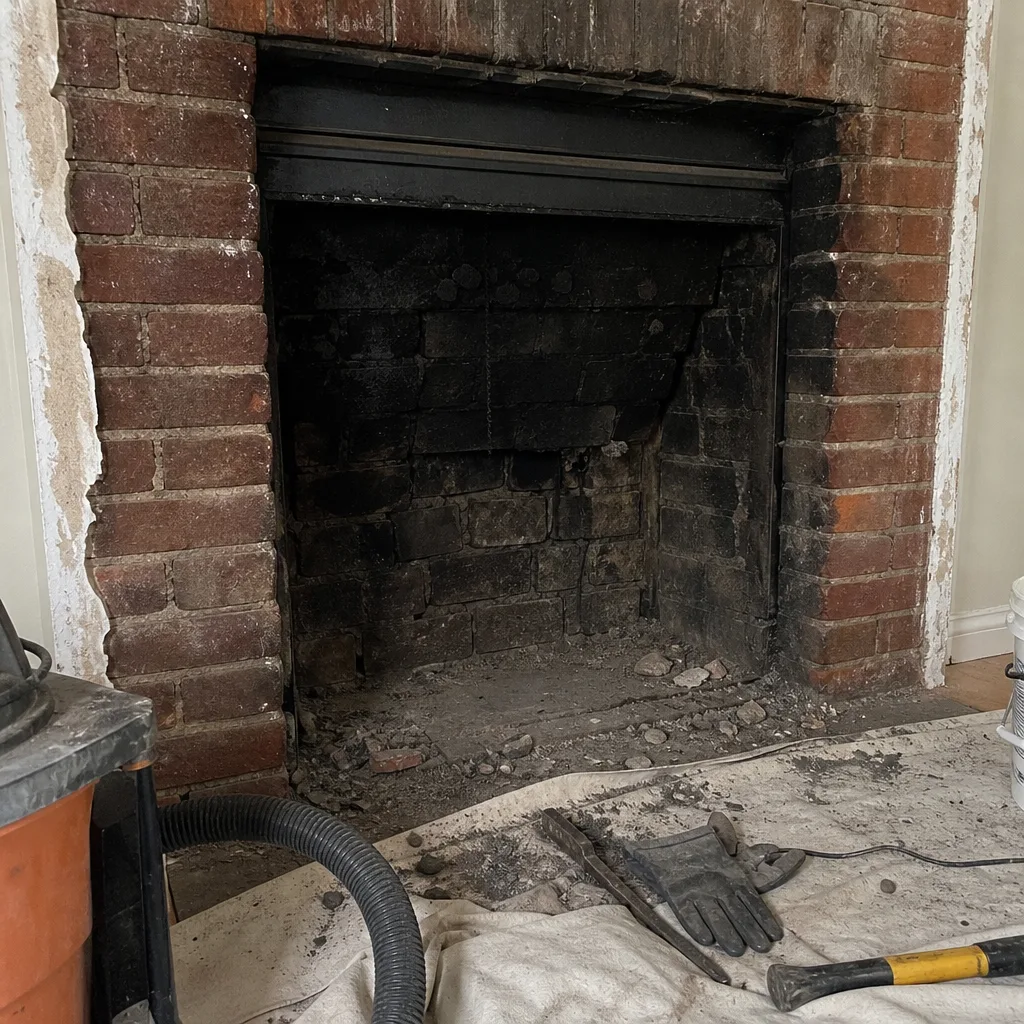 Before
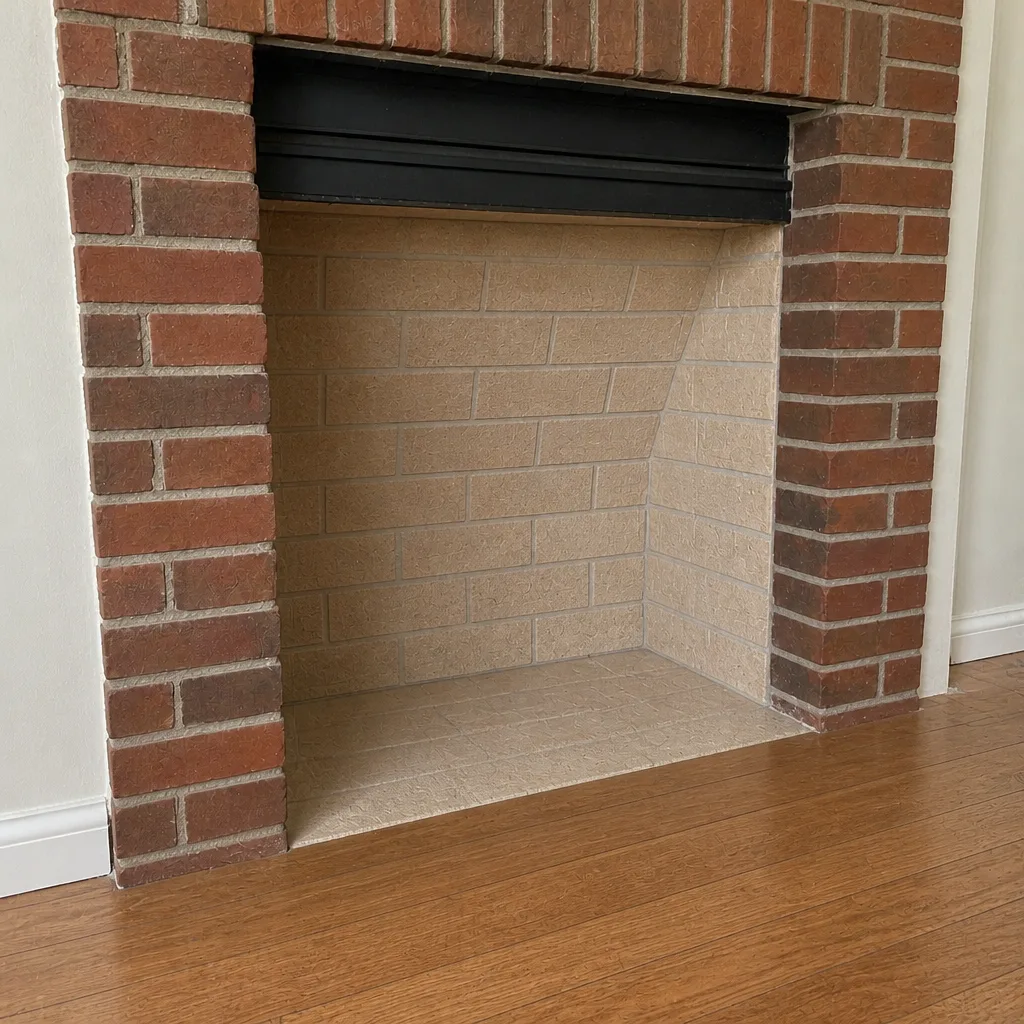 After
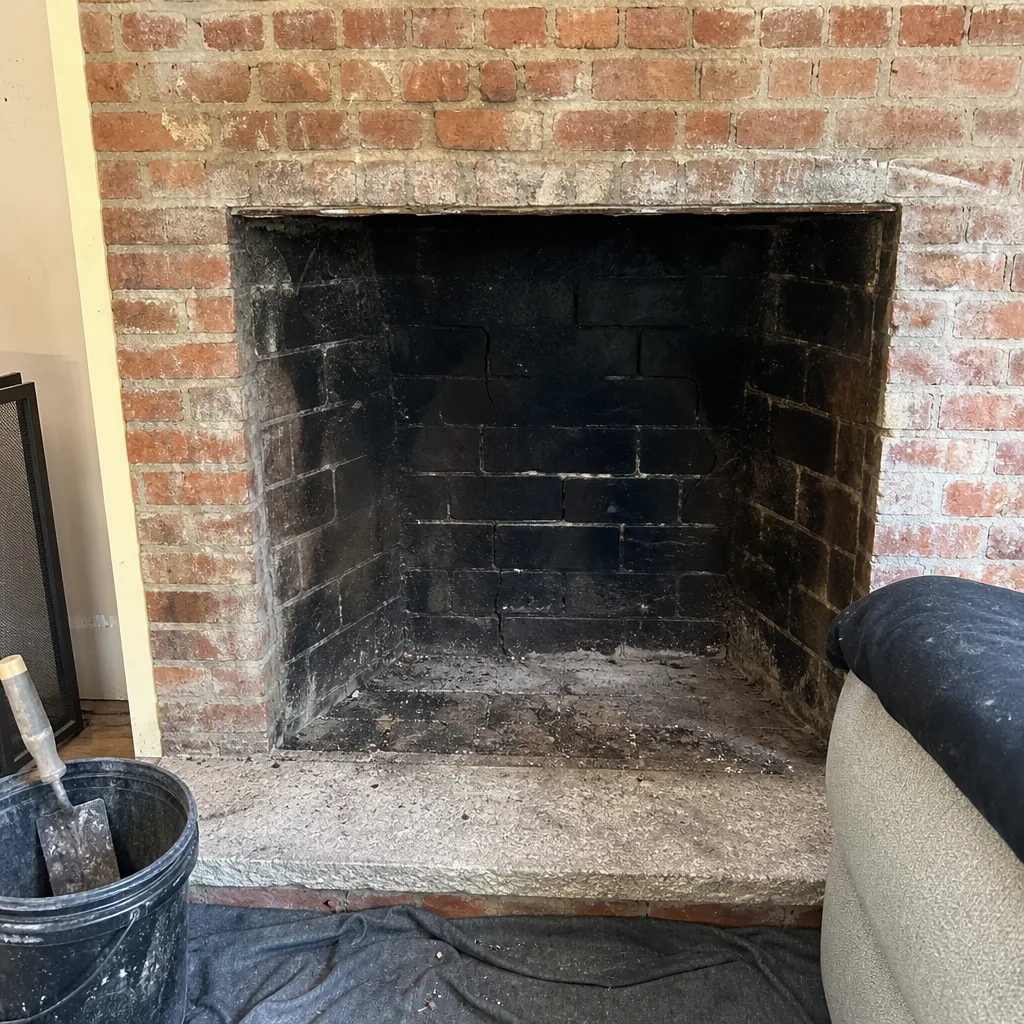
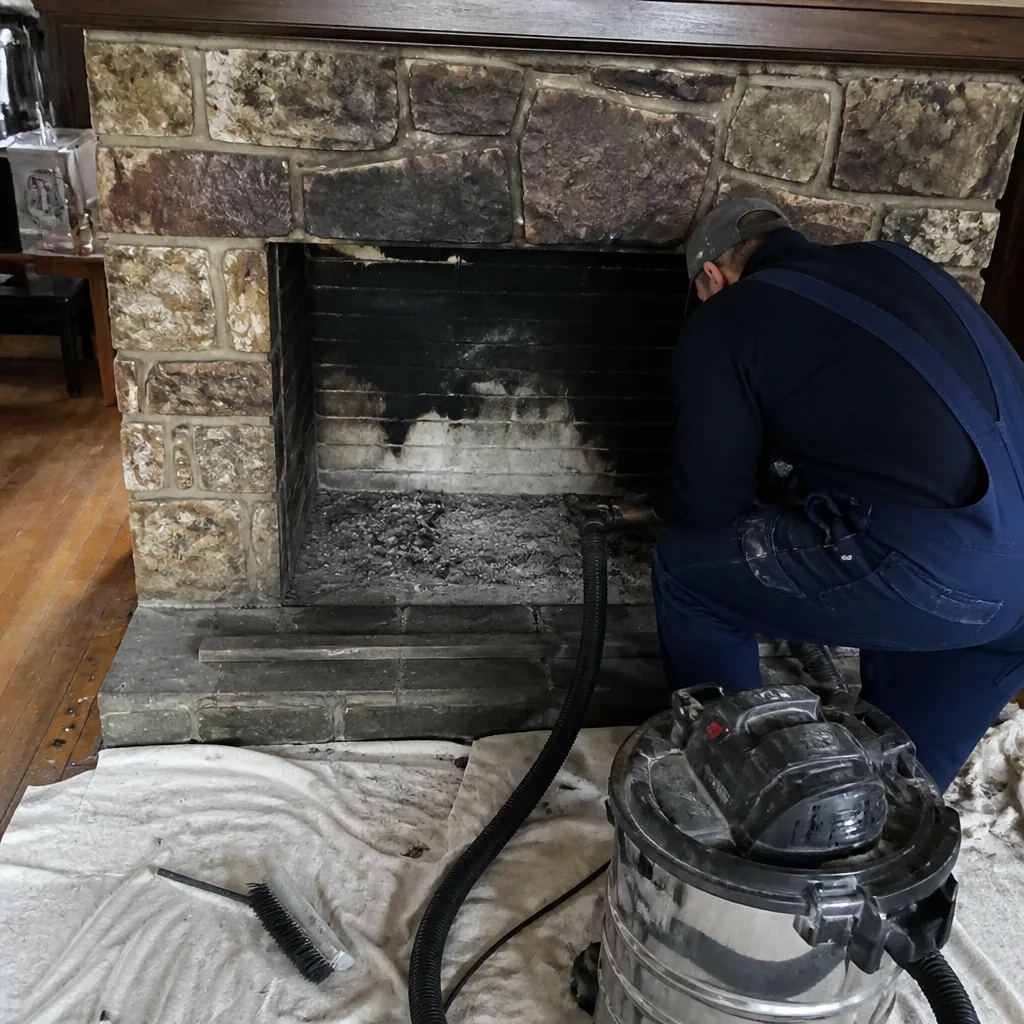 Before
 After
 Before
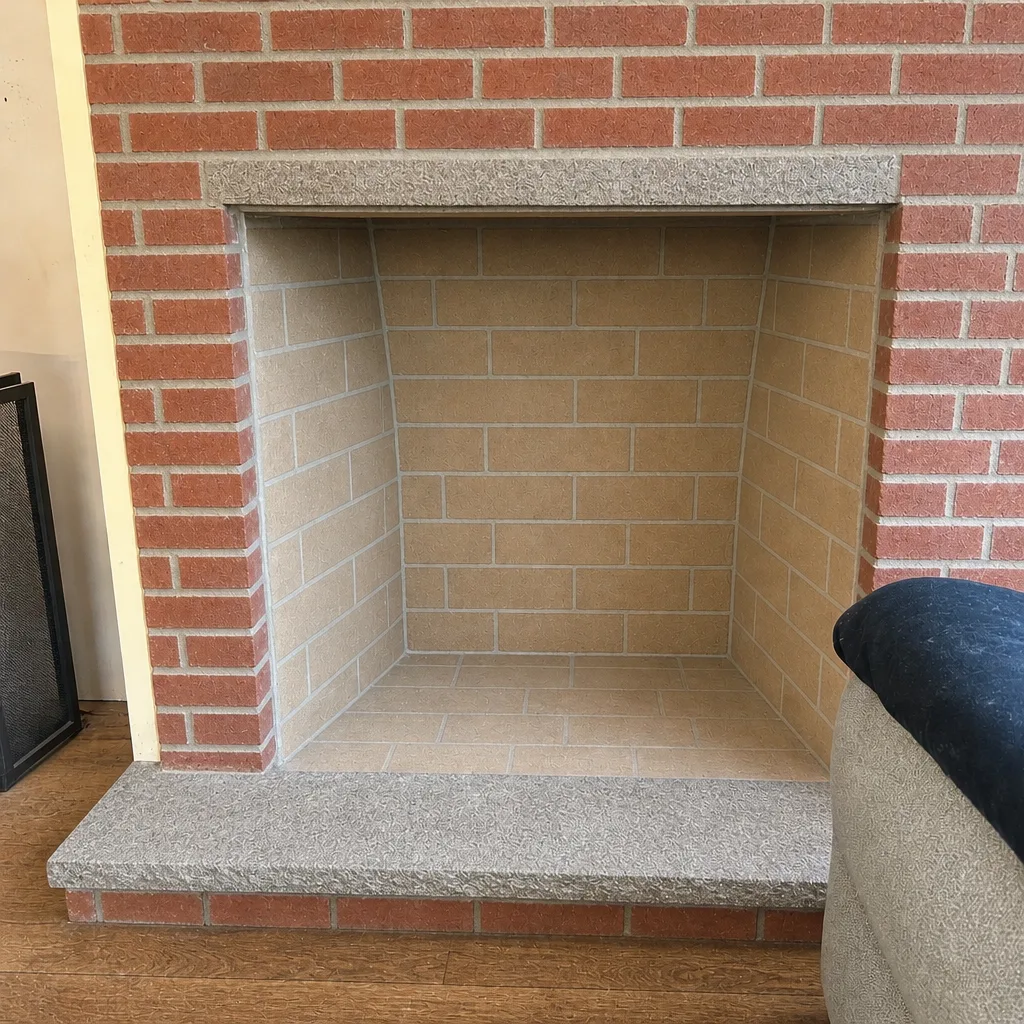 After
When to Call a Professional
Some things are a phone call to the fire department, and some are a call to a chimney professional. Call 911 if there’s an active fire, a CO alarm, or smoke pouring into the room from a flue you can’t explain. Call a chimney professional if you’ve had any event and need the post-event inspection, if your flue hasn’t been swept in a year of regular use, if you’ve noticed creosote buildup, or if the cap or crown is damaged. Chimney Sweep Concourse offers free estimates in Concourse and a diagnostic-first approach: we inspect before we recommend, and nothing gets proposed without photo or camera evidence you can review. Call (877) 792-5845. We answer 24/7. Fast dispatch from 7am to 7pm, Sunday through Friday. For a full picture of the service, start with Chimney Sweep Concourse.
Frequently Asked Questions
You usually can’t tell from inside the house. Signs a professional looks for include cracked or spalled liner tiles, heat-stained seams, warped metal components, and glazed creosote that’s baked hard. If your fire has been sluggish with heavy creosote smell, book an inspection and let a camera confirm it.
No. Leave the damper open. Closing it can push hot gases and pressure back into the flue and the living space, and it doesn’t reliably smother a fire in the flue. Get everyone outside and call 911 first.
Yes. NFPA 211 requires a Level 2 inspection after any chimney fire or event before the appliance is used again. It covers the liner, the connections, and the accessible chimney structure, and it’s the only way to know whether the flue is safe to relight.
On every level of the home and outside each sleeping area. Avoid mounting one directly above the fireplace, where normal trace amounts from the firebox can cause nuisance alarms, and test the units before heating season in Concourse.
Sweep when a quarter inch of creosote has built up, or once a year with regular use, whichever comes first. If you burn often and notice heavy deposits, get it checked sooner. Call (877) 792-5845 for a free estimate and a sweep scheduled around your burning season.
Have your appliance type and model, the date of your last inspection or sweep, whether the flue is lined and with what, and a note of what you saw or smelled. That information shortens the call and helps us book the right service. We answer 24/7, with fast dispatch from 7am to 7pm, Sunday through Friday.
The Bottom Line
Chimney emergencies in Concourse follow patterns. A quiet fire from heavy creosote, a blocked flue that backs CO into the house, a cracked liner nobody knew about. The preparation is the same in every case: know the signs, know what to do in order, keep your professional’s number and your inspection date on hand, and never relight after an event without a Level 2 inspection. Chimney Sweep Concourse handles the sweep, the inspection, the cap and crown work, and the repairs, using professional-grade materials so the fix lasts. Call (877) 792-5845 for a free estimate. We answer 24/7. Fast dispatch from 7am to 7pm, Sunday through Friday.
Written by the team at Chimney Sweep Concourse.