
Last updated November 25, 2026
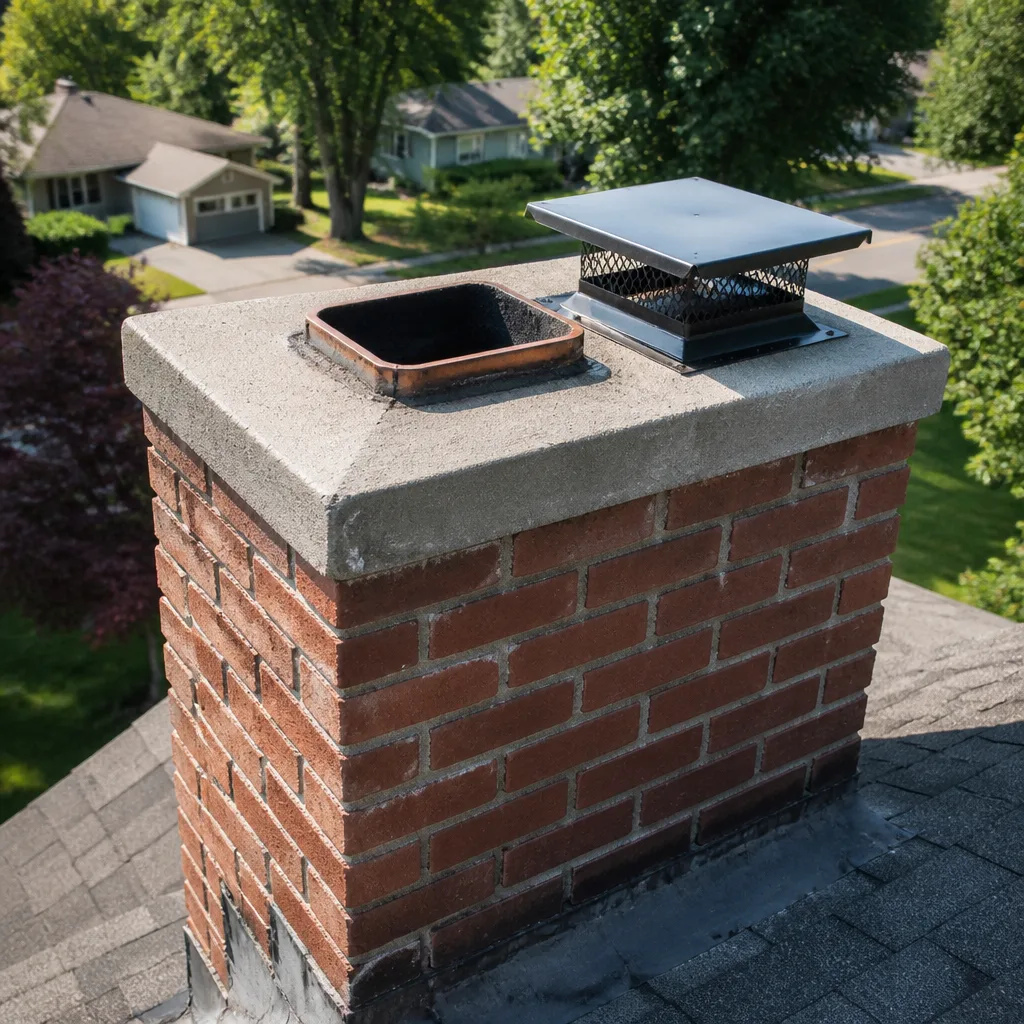 Sweep & inspection
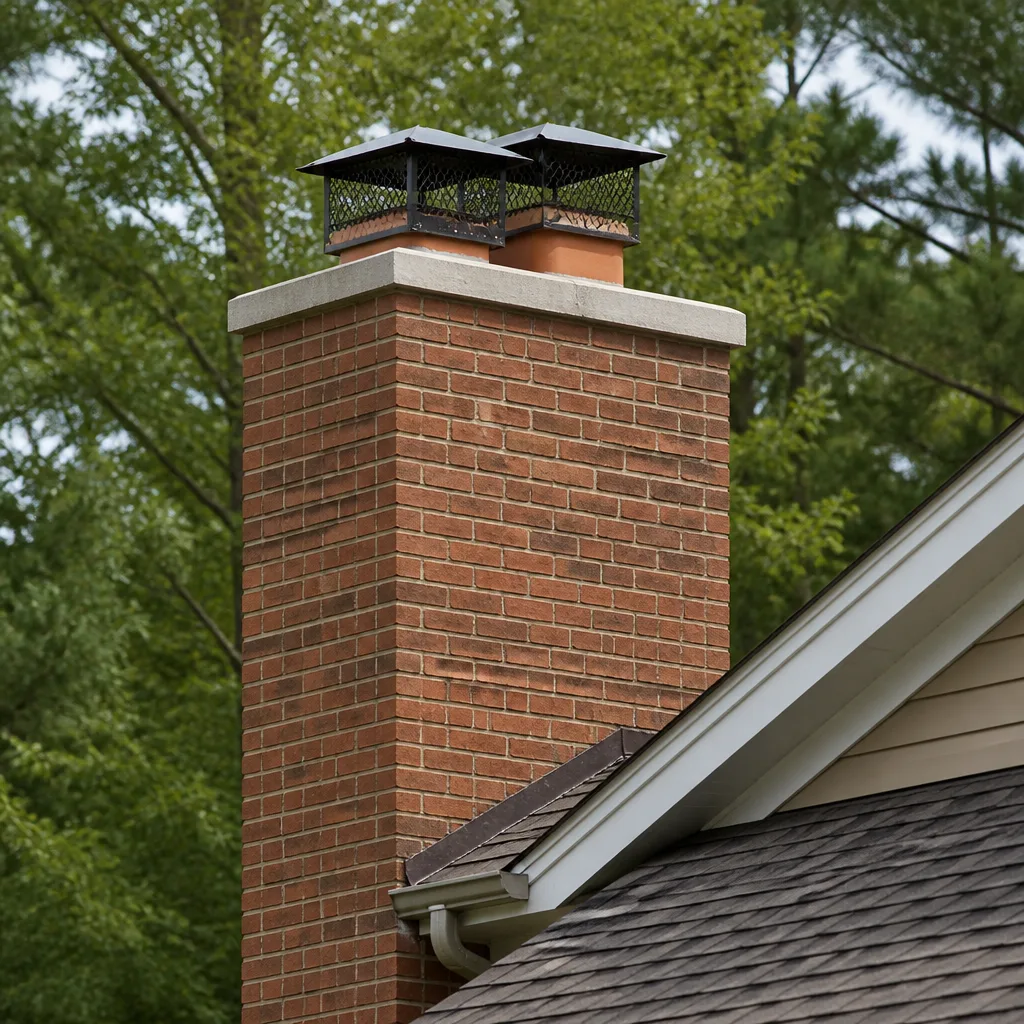 Caps & crowns
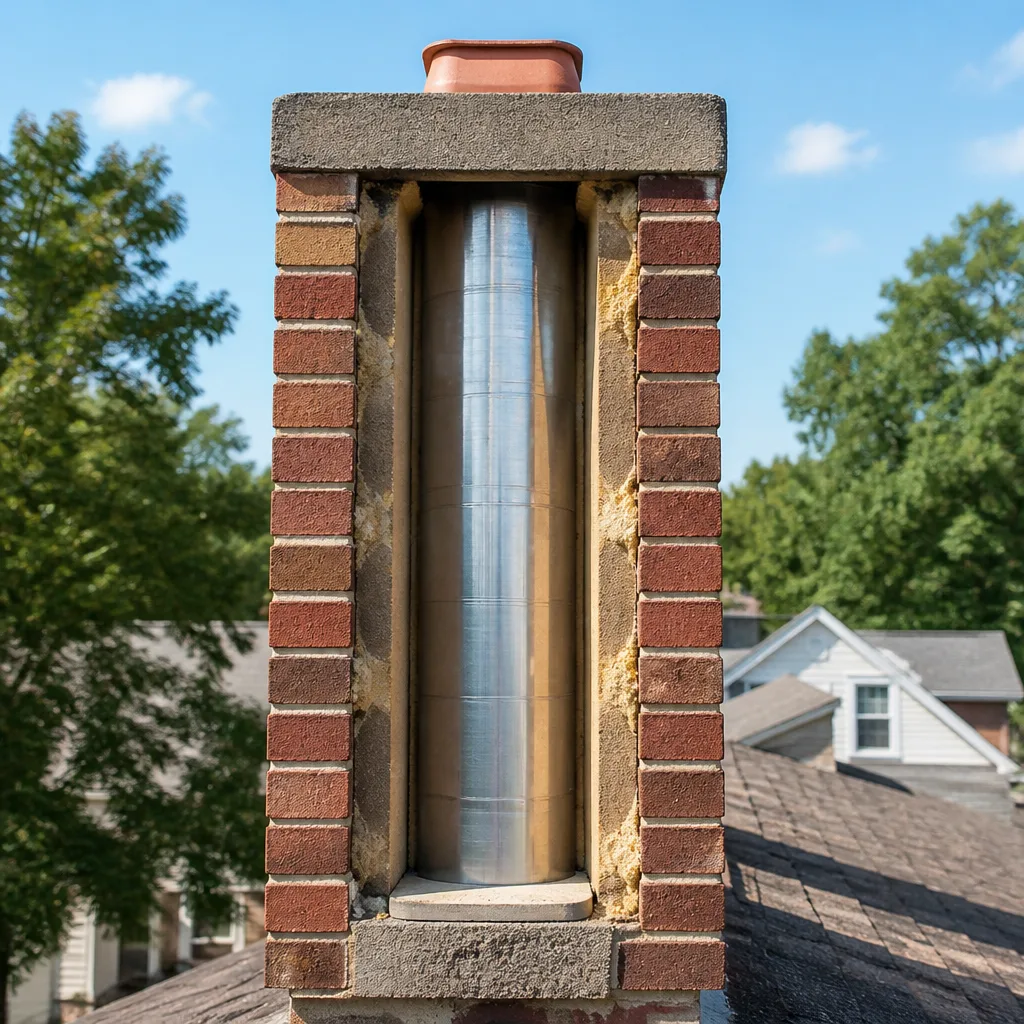 Flue relining
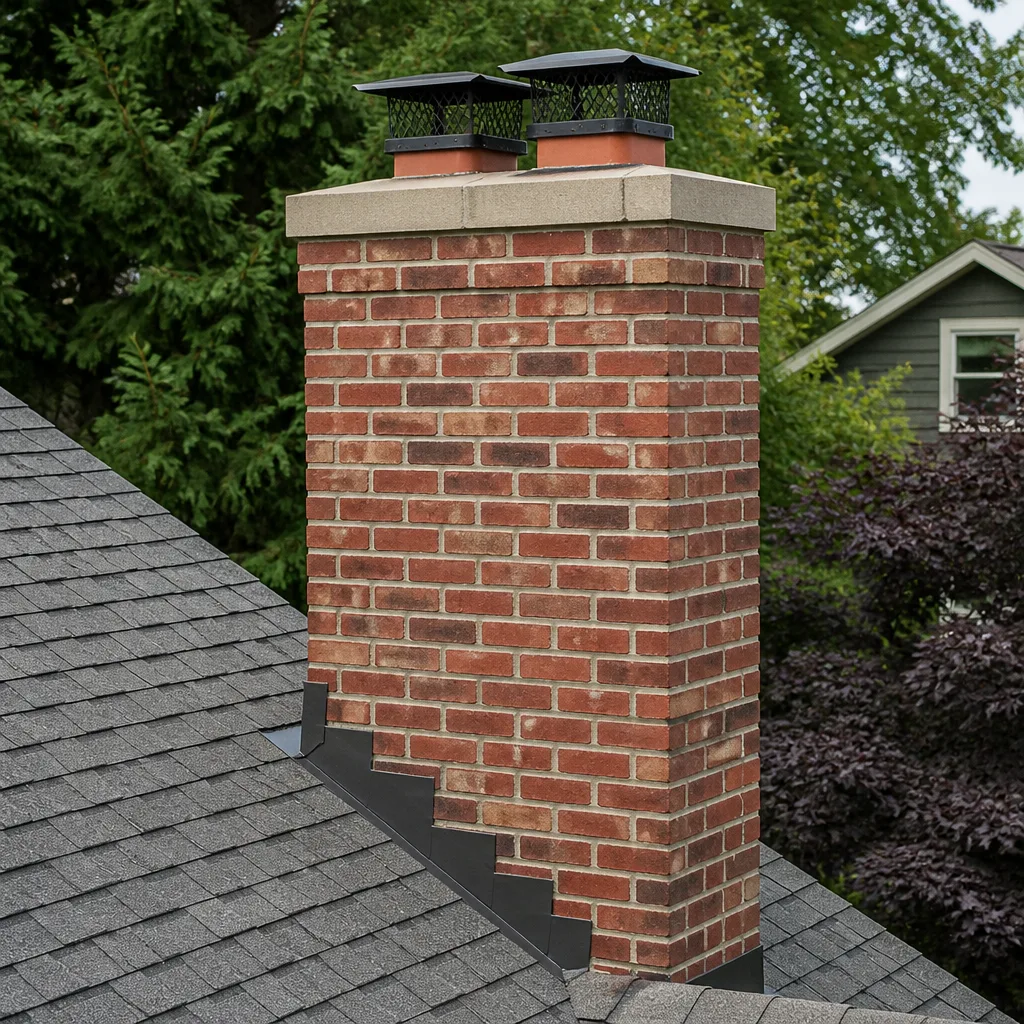 Masonry repair
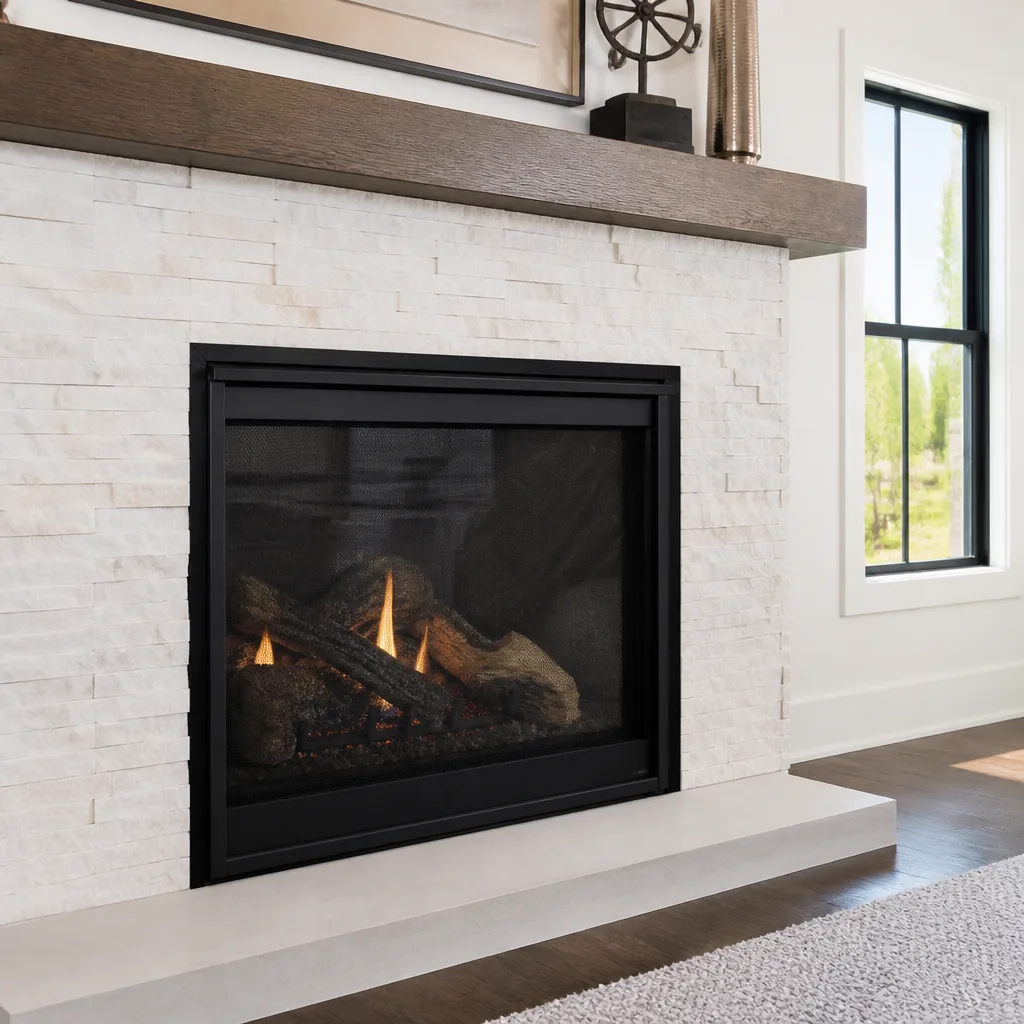 Gas fireplace service
Level 1 sweep and inspection to the NFPA 211 annual standard - flue, crown, cap, and flashing checked and photographed
Chimney sweep logs do not sweep chimneys. They loosen some creosote - which then falls where a brush and vacuum still have to collect it.
Choosing the Right Chimney Cleaning Brand: A Buyer’s Guide for Concourse
When a contractor repoints your chimney mortar with a standard masonry mix from the hardware store instead of a refractory-rated compound, it looks identical on day one. Then it fails within a couple of heating seasons, because ordinary mortar can’t handle the thermal expansion of a working flue. The same principle runs through every material in this trade, from the brush that touches your liner to the sealant that keeps water out of your crown. The brand names on the bucket or the kit aren’t marketing noise. They tell you whether a product was engineered for the inside of a chimney or just repackaged for a shelf.
This guide shows you what to look for in the materials behind a chimney cleaning job in Concourse, which product categories actually matter, and the exact questions that separate a specialist from someone improvising with whatever a local store stocks. By the end, you’ll know how to read a contractor’s material choices the way you’d read a contractor’s references.
Quick Answer
The right chimney cleaning brand, and the right materials behind it, are professional-grade products specified for the inside of a working flue: stainless liner systems rated for your fuel type, penetrating sealants rather than surface coatings, and refractory-rated mortar for any repair. In Concourse, ask any contractor to name the specific liner, sealant, and mortar brands they use and why. Chimney Sweep Concourse works with DuraFlex, HeatShield, Gelco, and Copperfield precisely because those lines are specified by chimney specialists rather than general masons.
Styles & brands we work with
- Sweep & inspection
- Caps & crowns
- Flue relining
- Masonry repair
- Gas fireplace service
Table of Contents
- Why Chimney Cleaning Material Brands Matter More Than You’d Think
- The Product Categories That Actually Matter
- Flue Liner Systems: Gauge, Alloy, and Fuel Compatibility
- Chimney Sealants: Penetrating vs. Surface-Coat
- Crown Coatings and Mortar Repair Materials
- Brushes and Cleaning Compounds: Why Flue Type Changes the Tool
- How to Ask a Contractor About Their Materials
- What “We Use the Best Materials” Means in Concourse’s Climate
Why Chimney Cleaning Material Brands Matter More Than You’d Think
Most homeowners think of chimney work as labor: someone shows up, runs a brush up the flue, vacuums out the soot, and leaves. The truth is the materials do most of the long-term work. A chimney is a combustion system that cycles through heat and cold, moisture and dryness, all year. What’s installed inside it, and on top of it, has to survive that cycle for years without cracking, peeling, or corroding.
Here’s what changes when a contractor uses the right brand instead of a generic substitute:
- Liner gauge and alloy rating. A stainless liner built for wood heat is a different alloy than one built for gas or oil. The wrong one can fail prematurely in a flue it was never meant to handle.
- Sealant chemistry. A penetrating sealant bonds to the masonry itself. A surface coating sits on top and eventually peels. They look the same in a product photo and behave nothing alike after two winters.
- Mortar and refractory compounds. Crowns and mortar joints expand with heat. Refractory-rated compounds flex; ordinary masonry mix doesn’t.
- Brush construction. A wire brush on a stainless flue can score the surface. The correct brush is flue-specific, sized to the liner, and matched to the fuel type.
These aren’t abstract categories. In our experience across Concourse, the failures we’re called back to fix are almost always material failures, not brushwork failures. A general contractor doing a good job with poor materials will still hand you a chimney that needs rework in a few heating seasons. If the underlying materials interest you, it’s worth understanding what a professional chimney sweep checks before recommending any repair, because the recommendation should follow the evidence, not the other way around.
The Product Categories That Actually Matter
Not every supply shelf carries the same importance. Three product categories account for nearly every long-term repair in a chimney, and each one has professional-grade options that differ meaningfully from what a general hardware retailer stocks.
1. Flue Liner Systems
This is the most consequential material in the entire chimney. The liner carries the exhaust gases out of the home and protects the masonry from heat and moisture. When a liner fails, everything else around it degrades. Stainless liner systems differ by gauge, alloy composition, and joint construction, and those differences matter more than the thickness of the metal.
2. Chimney Sealants
Water is the biggest long-term enemy of masonry. Sealants keep it out, but the wrong sealant type can trap moisture inside the brick, which causes spalling. This is the penetrating vs. surface-coat distinction covered below.
3. Crown Coatings and Repair Mortar
The crown is the concrete cap on top of the chimney that sheds water away from the structure. Cracked crowns are the leading path for moisture to enter. Refractory-rated mortar and crown coatings flex with the chimney’s thermal movement; standard masonry mix does not.
There’s also a supporting category worth knowing about: chimney caps. A properly fitted cap keeps rain, animals, and debris out of the flue. We install caps and crowns as part of our chimney cap & crown service, because on a well-built chimney the crown and the liner work together as one system. You don’t get to pick one and ignore the other.
Flue Liner Systems: Gauge, Alloy, and Fuel Compatibility
A stainless flue liner is not a generic commodity. The gauge describes the metal’s thickness; the alloy describes which metals are in it. Both matter, and so does how the liner is joined, because every joint is a potential point of failure. A contractor who can’t tell you the gauge and alloy of the liner they’re proposing has not thought enough about your chimney to recommend one.
Stainless liner systems are also fuel-specific. Wood heat, gas heat, and oil heat produce different temperatures and different corrosion profiles, so a liner rated for one application can be a poor match for another. In our experience repairing liners around Concourse, most premature failures trace back to either the wrong alloy for the fuel type or to a joint construction that loosened over time from thermal cycling. Neither failure is visible from the outside, which is why the report matters as much as the fix.
When we specify DuraFlex systems for relining, it’s because they’re what certified chimney professionals nationwide specify, not because we have a preference for the logo. The key tests you can apply:
- Ask for the alloy type and gauge in writing. A professional will name both without hesitation.
- Ask what fuel type the liner is rated for. If the answer is vague, that’s your answer.
- Ask how the joints are secured. Consistent construction matters more than a single joint type.
- Ask for the warranty terms in writing. A liner done correctly should come with terms you can read before signing.
Relining is a structural repair, not a routine cleaning. We treat it that way. If you suspect a liner issue, it’s worth understanding the bigger picture first: chimney repair covers liner work, mortar, crown, and structural fixes, and the diagnosis should come before any pricing.
Chimney Sealants: Penetrating vs. Surface-Coat
This is the single most misunderstood product category in chimney work. There are two broad classes of sealant, and they behave completely differently.
Penetrating sealants soak into the masonry substrate and bond with the brick’s pore structure. The brick still looks like brick. Water sheds off the surface because the brick itself has become hydrophobic. Because the sealant is inside the masonry rather than on top, it doesn’t peel, and crucially, it lets the brick breathe so moisture already inside can escape.
Surface-coat sealants form a film on top of the masonry. They look similar on day one. Over one or two heating seasons, thermal expansion causes the film to crack or peel, and trapped moisture can cause the brick face to spall away. Once spalling begins, the fix is far more expensive than the reseal would have been.
Why this matters in Concourse: chimneys here see a wide seasonal temperature swing, and masonry that cycles through freeze-thaw will punish surface films much sooner than a mild climate would. A quality penetrating sealant is what we look for when we recommend waterproofing as part of a Chimney Sweep Concourse visit. If a contractor quotes you a “sealant” without stating which class it is, ask directly. That answer tells you more about their expertise than any sales pitch will.
Crown Coatings and Mortar Repair Materials
The crown is a slab at the very top of the chimney with a slight slope so rain sheds away from the flue opening. Small cracks in the crown are normal as the chimney moves with the seasons. Large cracks, or a crown that has pulled away from the flue tile, are an invitation for water to enter the masonry from above. Once water gets in and freezes, the mortar joints below it begin to crumble.
Repairing a crown comes down to the material. Standard masonry mix is not the same as a refractory-rated crown coating. The refractory compound flexes with thermal movement, which is exactly what a chimney needs at its hottest point. Standard mix is rigid, so it cracks. HeatShield is one of the professional-grade materials we specify for structural chimney repair because it belongs in that refractory class.
When we work on a crown, we’re also looking at the whole moisture path: the cap, the crown slope, the flue tile termination, and the mortar joints. A crown repair without a cap on top is a repair waiting to repeat itself. That’s why we pair cap and crown work in a single visit and why we inspect before recommending. There’s a useful distinction to keep in mind here too: mortar repointing is a masonry repair, not a sealant job, and we treat it as its own scope whenever the original joints have failed.
Brushes and Cleaning Compounds: Why Flue Type Changes the Tool
Most homeowners never think about the rod-and-brush combination, but the tool matters. A stainless steel liner surface can be scratched by the wrong wire brush. A clay-tile flue needs a different brush geometry than a metal liner. A gas appliance flue can need a soft poly brush rather than a wire one. Using the wrong one doesn’t usually fail catastrophically, but it can leave fine scoring that gives soot and moisture a place to gather, and that shortens the liner’s life.
Cleaning compounds follow the same logic. Wood smoke leaves a different residue than oil, and gas produces a different deposit again. The right cleaning compound is matched to the flue type being cleaned; a generic product may leave residue behind or fail to neutralize what’s already there.
The safest way to think about the tools is by fuel type:
- Wood: creosote buildup, especially with slower-burning appliances. Brush stiffness is chosen to remove the deposit without scoring the liner.
- Gas: milder deposits, but a higher risk of corrosion if the liner wasn’t rated for gas in the first place.
- Oil: soot-heavy deposits that need different brushes and sometimes specialized compounds to fully clear.
A contractor who arrives with a single brush type and one cleaning spray for every job is a generalist improvising. A proper chimney company carries or specifies the right tool for the flue type. In our experience cleaning Concourse chimneys across all three fuel types, when we see a job where the wrong brush was used previously, we can usually trace the symptom back to it.
How to Ask a Contractor About Their Materials
If you take away one thing from this guide, make it this list of questions. They’re short, they’re fair, and they separate a specialist from someone who’s making it up. Any contractor who bristles at them is telling you something.
- “What liner alloy and gauge are you specifying for my fuel type?” A specialist answers this immediately. A generalist gets uncomfortable.
- “Is the sealant you’re putting on my chimney penetrating or surface-coat?” If the answer is “waterproofing,” ask again.
- “What brand of mortar are you using for my crown and joints, and why?” Refractory-rated or bust.
- “What brush material are you using on my liner, and why?” Poly vs. wire should match the flue type.
- “Can I see the product names in writing on the estimate?” A serious contractor has no reason to hide a brand name.
- “How long has that material been in use in the field, and with what comparable installations?” Not asking for a promise, just for honest context.
- “If you find a problem I didn’t call about, can you fix it now or do I need a second visit?” The best answer is that they inspect and repair under the same roof.
None of these are trap questions. They’re the same questions certified chimney professionals ask each other when they’re spec’ing work. A specialist will appreciate them. We mention DuraFlex, HeatShield, Gelco, and Copperfield on our estimates by name because those are the brands we’d want named on our own homes. You should want that too.
What “We Use the Best Materials” Means in Concourse’s Climate
Every contractor says they use the best materials. The useful question is what they mean by it. “Best” is meaningless without specifics, and specifics are exactly what you should ask for.
In a climate like Concourse’s, with a real winter and real freeze-thaw cycling, “best” should mean products selected for:
- Thermal expansion tolerance. Mortar and crown materials that flex with the chimney’s seasonal movement instead of cracking.
- Freeze-thaw resilience. Penetrating sealants that let the masonry breathe and don’t peel when the temperature drops.
- Fuel compatibility. Liners and brushes matched to the actual fuel your system burns, not a generic one-size-fits-all.
- Fifteen-plus-year performance. Not the cheapest product that will get you through a season.
When we say “we use professional-grade materials,” what we mean is that DuraFlex, HeatShield, Gelco, and Copperfield are specified by certified chimney professionals, they’re made for this exact job, and we name them on the estimate rather than hiding them behind a brandless total. If a contractor won’t put product names, grades, and their reasoning on paper, that’s the whole answer you need. For a chimney that has to survive the swings of the region for years, the materials are the warranty.
Common Mistakes to Avoid
- Accepting “waterproofing” as the entire sealant answer. Ask which class of sealant is being applied. A surface film will peel before the next spring.
- Letting a contractor reline without knowing the alloy and gauge. A mismatch between liner and fuel type is the most common reason a reline underperforms.
- Repointing with standard masonry mix. It fails within a couple of heating seasons in a working flue. Ask for refractory-rated compound.
- Skipping the crown inspection. A cracked crown is often the actual cause of water entering a chimney, and it’s cheap to catch early and expensive to ignore.
- Booking a low-bid cleaner with one brush for every flue. Tool selection by flue type matters, and a specialist won’t improvise it.
- Treating a sweep as the whole relationship. Sweep, cap and crown, repair, fireplace work, and inspection belong together. Coordinating five specialists costs more time than it saves.
- Ignoring what happens between sweeps. A clean flue and a structurally sound flue are different things. Ask what the inspector found, not just how much soot came out.
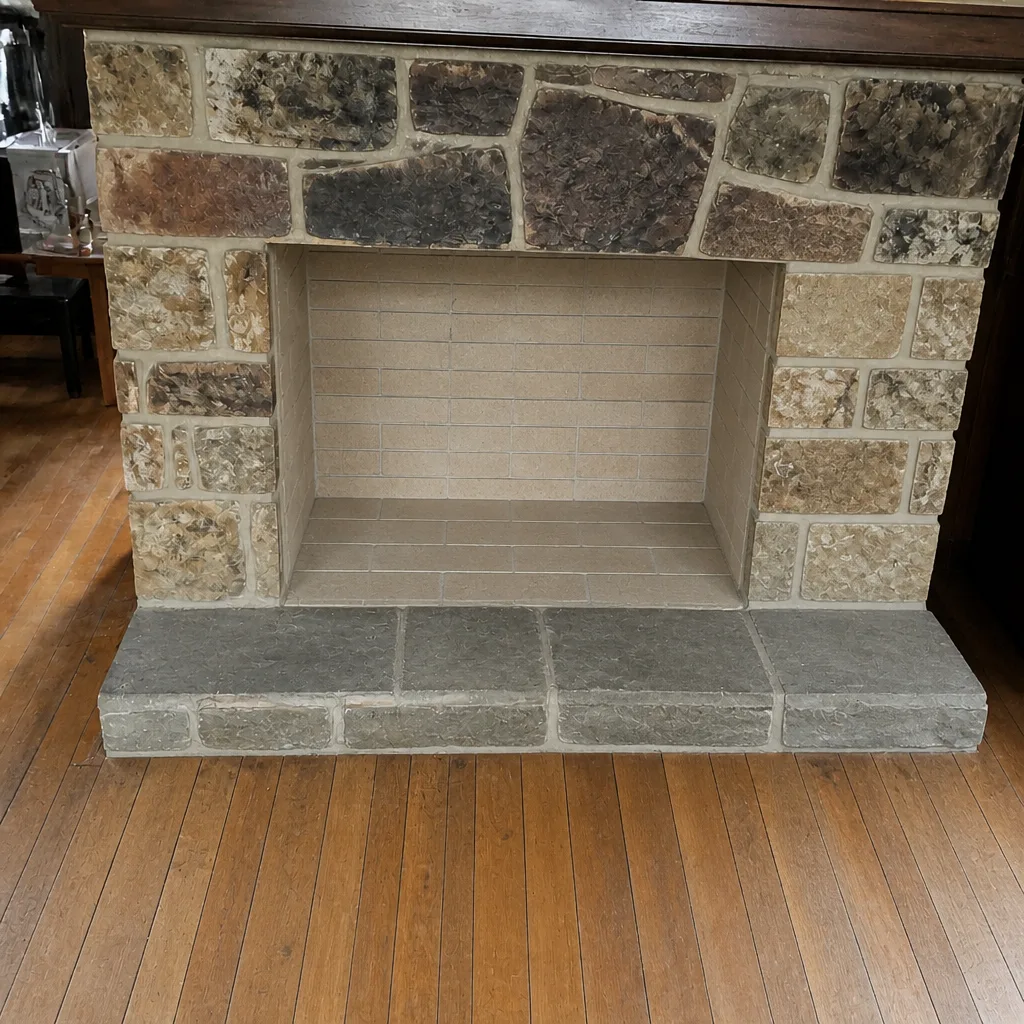
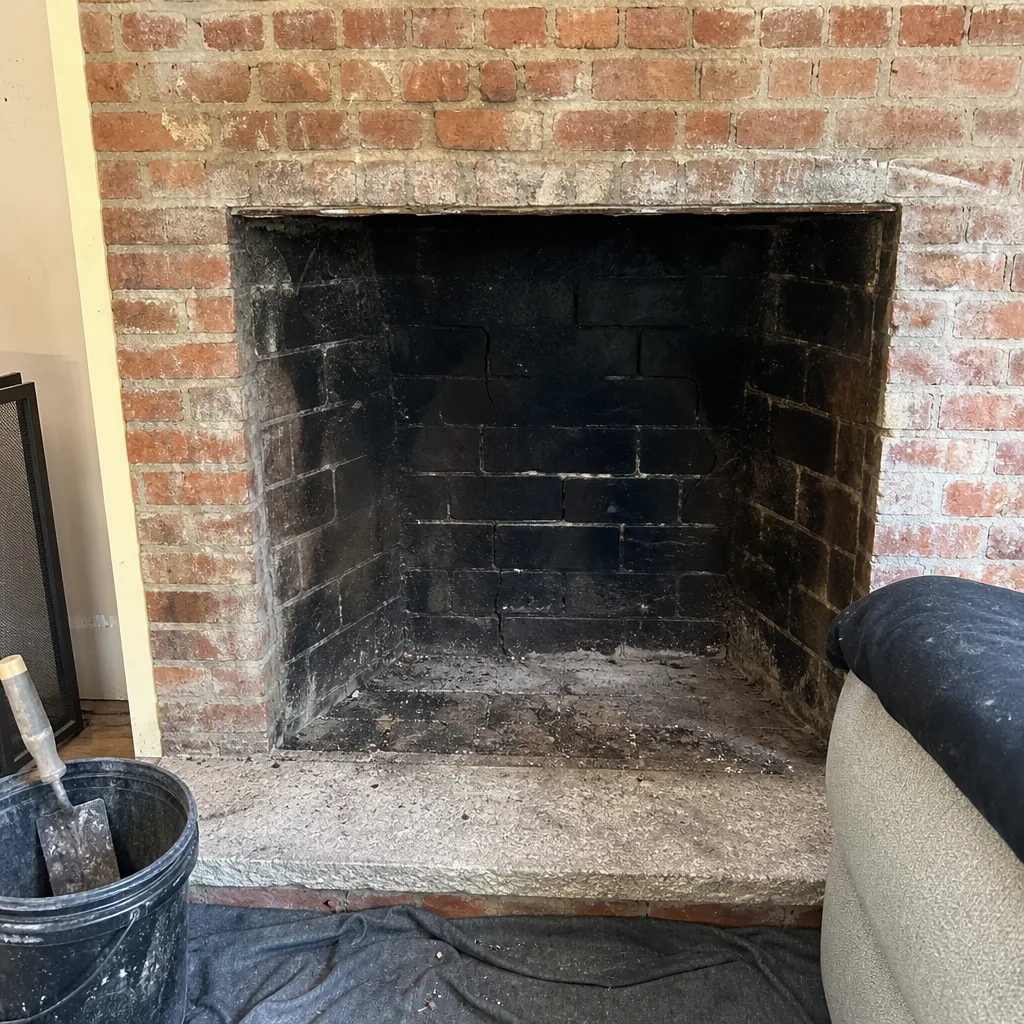
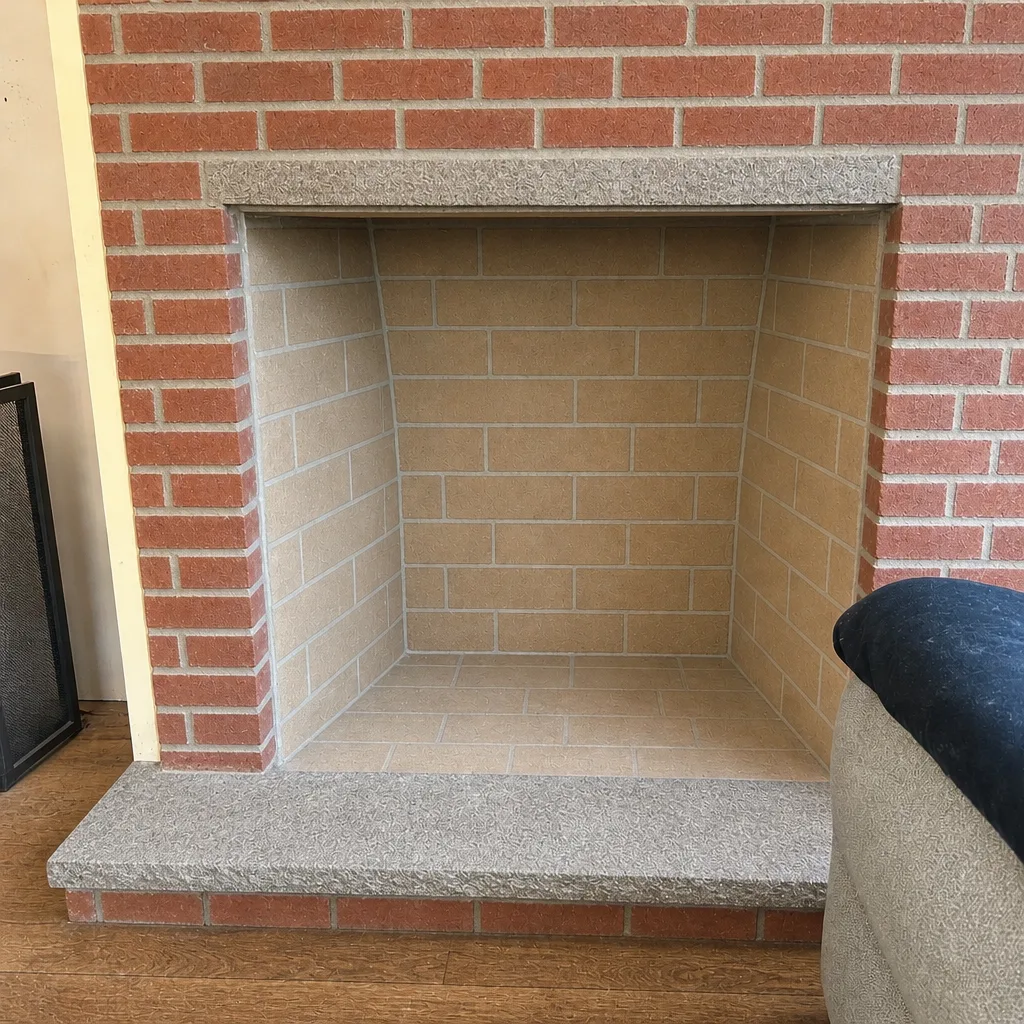
See the difference
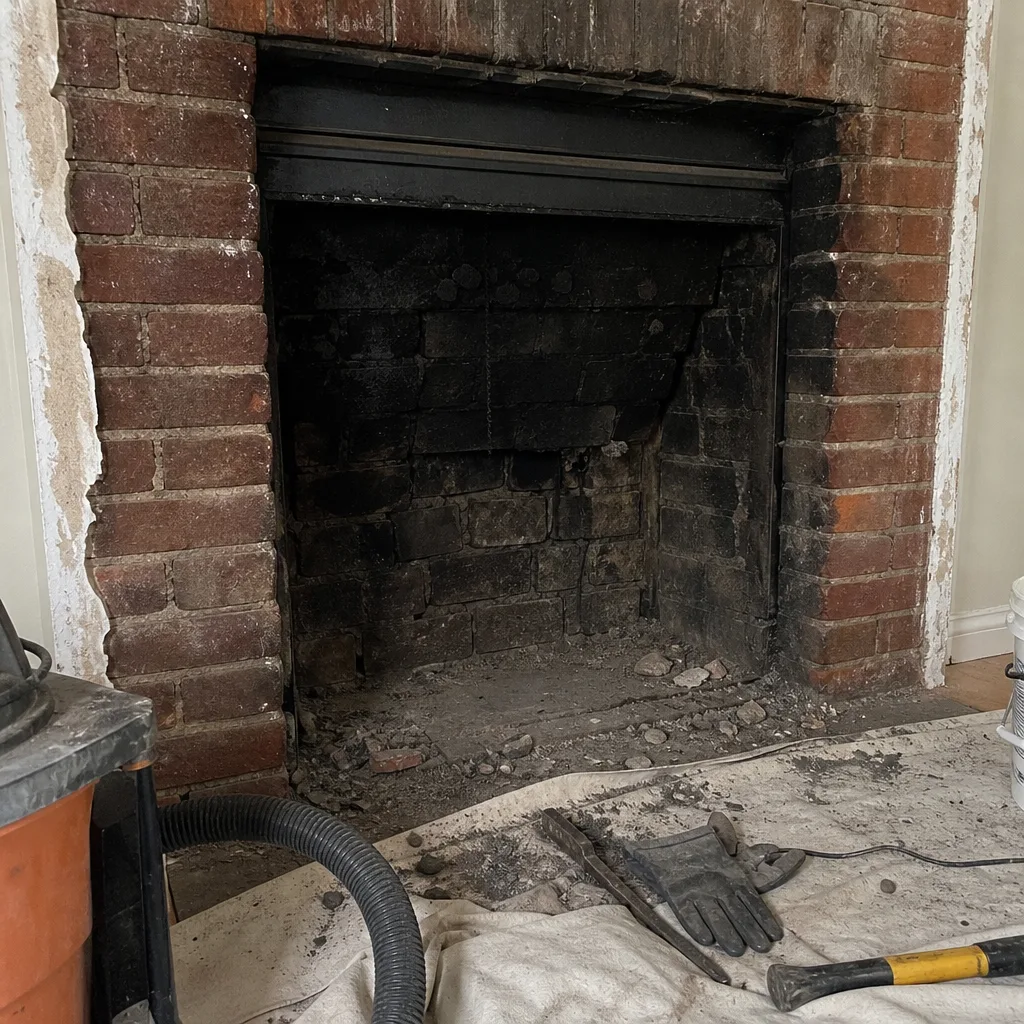 Before
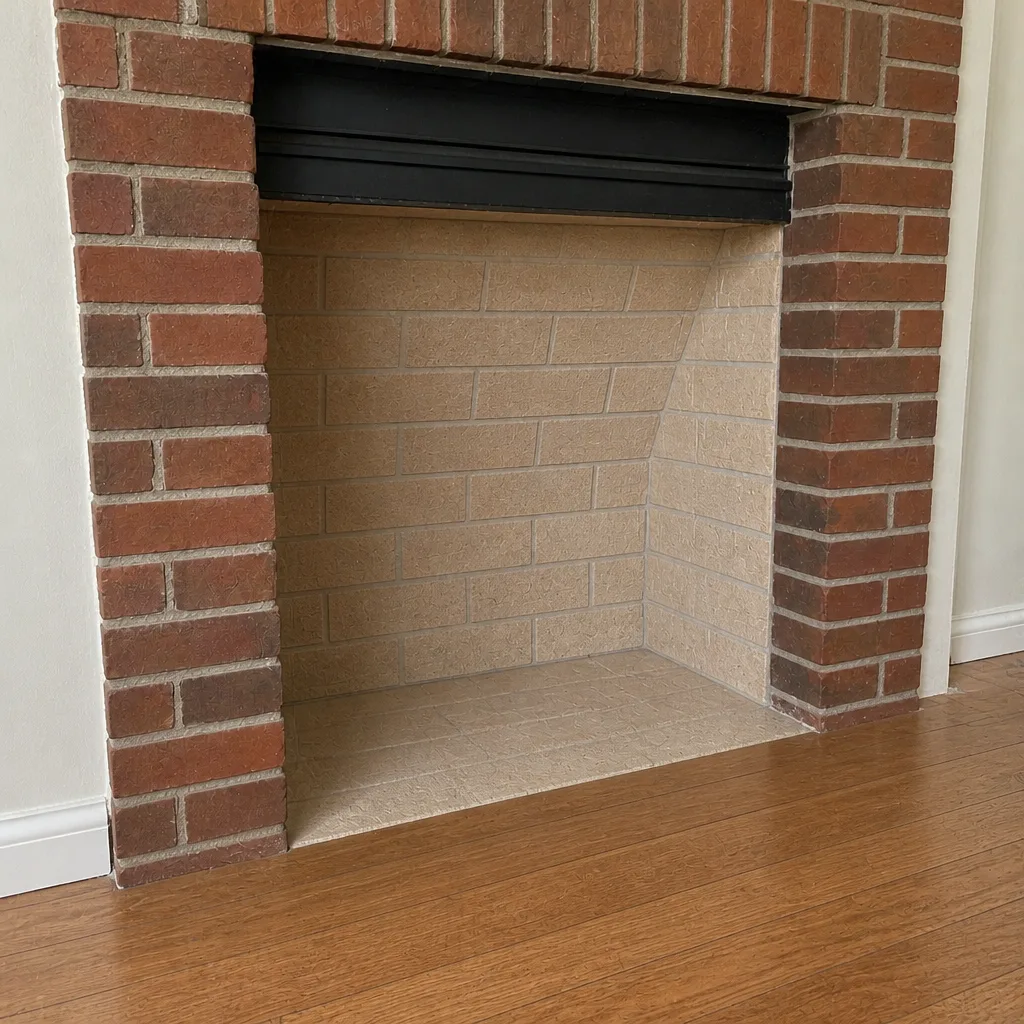 After
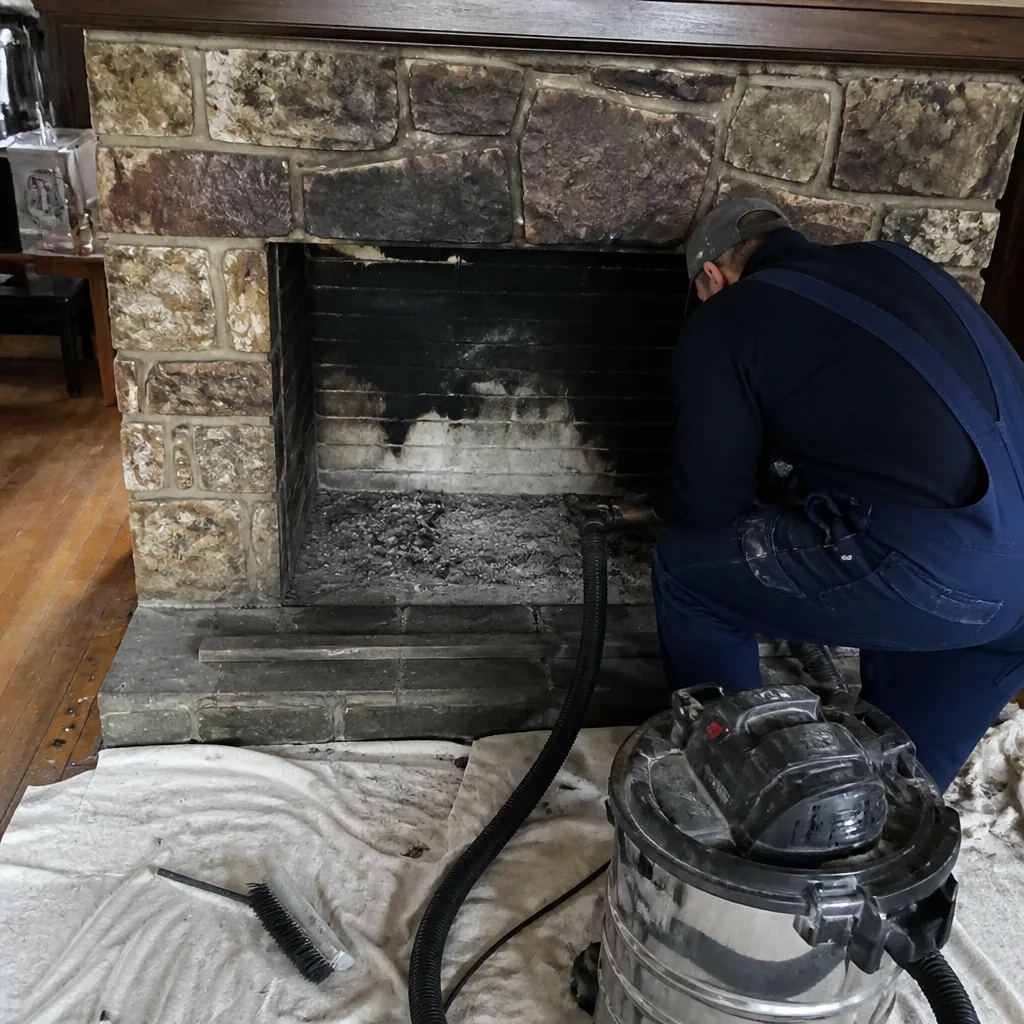 Before
 After
 Before
 After
When to Call a Professional
Get a specialist involved if you smell smoke inside the house when the fire is going, if the fire struggles to draw, if you see cracked or crumbling masonry around the crown or the flue tile, if a chimney cap is loose or missing, or if you’ve moved into a home and don’t know when the chimney was last inspected. These are all safety-relevant signals, and the answer shouldn’t be “wait until next season.”
Chimney Sweep Concourse offers formal inspections as a standalone service, because we think the diagnosis deserves to be its own appointment, not a sales add-on. From a single visit we can sweep, inspect, and repair the chimney or the fireplace, using professional-grade materials from brands chimney specialists trust – DuraFlex, HeatShield, Copperfield, and more. One company, one call. Free estimates in Concourse – call (877) 792-5845. We answer 24/7, with fast dispatch from 7am to 7pm, Sunday through Friday.
Frequently Asked Questions
The tools and materials used do matter, but the biggest variable is whether they’re matched to your flue type. A poly brush on a stainless liner and a wire brush on the same liner will produce different results over years. A specialist recommends the right tool for the flue in front of them. If you want certainty about what’s being used in your chimney, call (877) 792-5845 for an exact quote – estimates are free.
Certified chimney professionals specify brands like DuraFlex for stainless relining, HeatShield for structural repair and crown work, Gelco for sealants and repair products, and Copperfield for liners and other components. These are professional-grade materials engineered for the inside of a chimney, not general-purpose products from a hardware store. If a contractor can’t name the brands they use, that’s a meaningful signal.
A penetrating sealant is generally the right choice for a masonry chimney because it lets the brick breathe and doesn’t peel the way a surface film will. Surface coatings trap moisture and can cause spalling after a few freeze-thaw cycles. Any contractor quoting “waterproofing” should be able to name which class of sealant is being applied.
In principle, but only if they’re using refractory-rated materials. Most handymen carry standard masonry mix, which is not designed for the thermal expansion of a working flue and fails within a couple of heating seasons. A chimney specialist specifies refractory-rated compound and inspects the whole moisture path, not just the visible crack. In Concourse, ask any contractor to name the mortar brand and grade before they start.
Freeze-thaw cycling is hard on masonry, and chimneys here experience wide seasonal temperature swings. That makes penetrating sealants, refractory-rated mortar, and correctly spec’d stainless liners more important than they would be in a milder climate. Materials chosen for durability outperform the cheapest option every time in this region. If you want a recommendation specific to your chimney, call (877) 792-5845 – the estimate is free.
An inspection is a diagnostic appointment: a trained technician evaluates the flue, the liner, the crown, the cap, and the fireplace, then gives you a written report. A sweep is the cleaning itself. A thorough visit often includes both. Chimney Sweep Concourse offers all five services – sweep, cap and crown, repair, fireplace repair, and inspection – from one company, so a problem found during the inspection can be addressed without a second contractor. Our technicians have up to 11 years of experience.
The Bottom Line
A chimney is a long-lived system, and the brands wearing its label matter more than the brand on the van. Stainless liner systems, penetrating sealants, refractory-rated mortar, and flue-specific brushes are the four categories that separate professional-grade work from a generalist’s best effort. Ask any contractor to name the specific brands and grades they use, and to put them in writing. A specialist will answer without flinching. From annual sweep to full structural repair, one company, one call: Chimney Sweep Concourse works with DuraFlex, HeatShield, Copperfield, and more, and inspects before recommending. We repair with materials built to last. Call (877) 792-5845 for a free estimate – we answer 24/7, fast dispatch from 7am to 7pm, Sunday through Friday.
Written by the team at Chimney Sweep Concourse.