
Last updated November 25, 2026
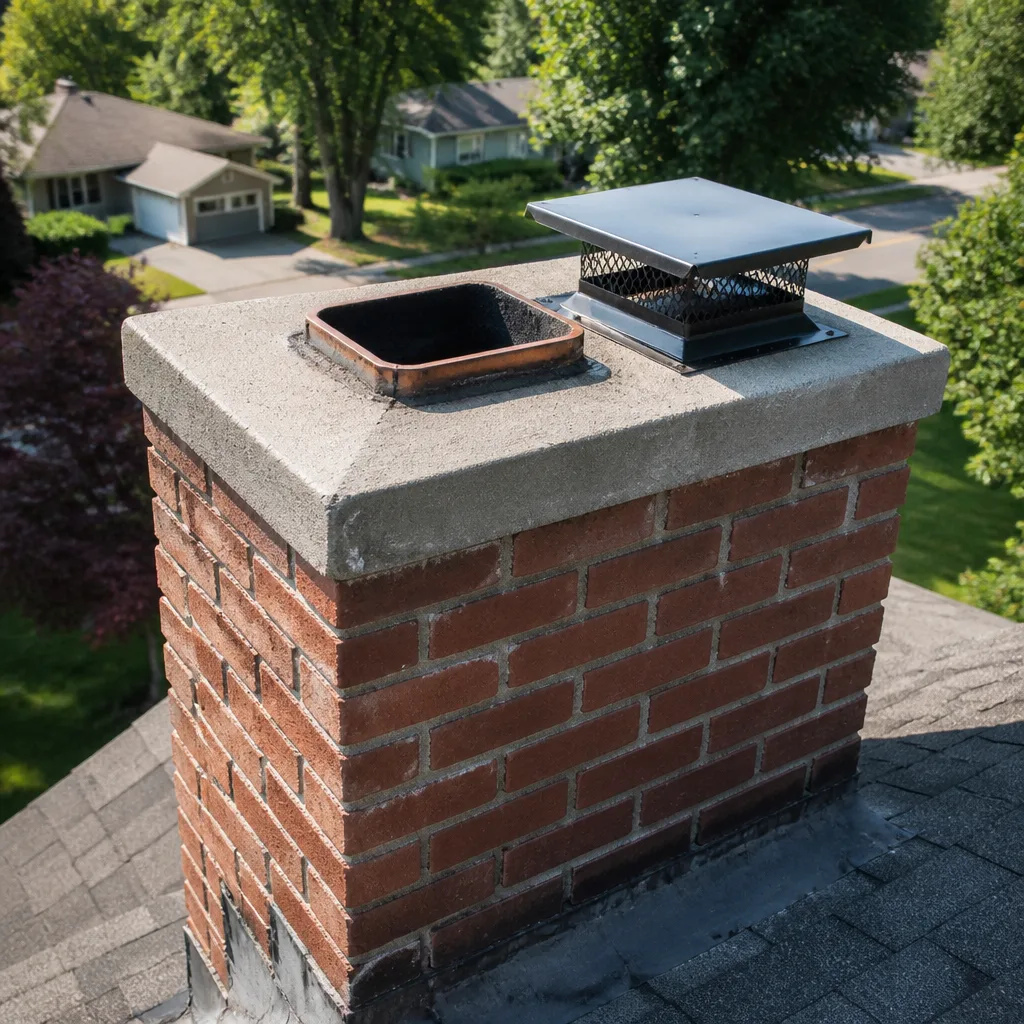 Sweep & inspection
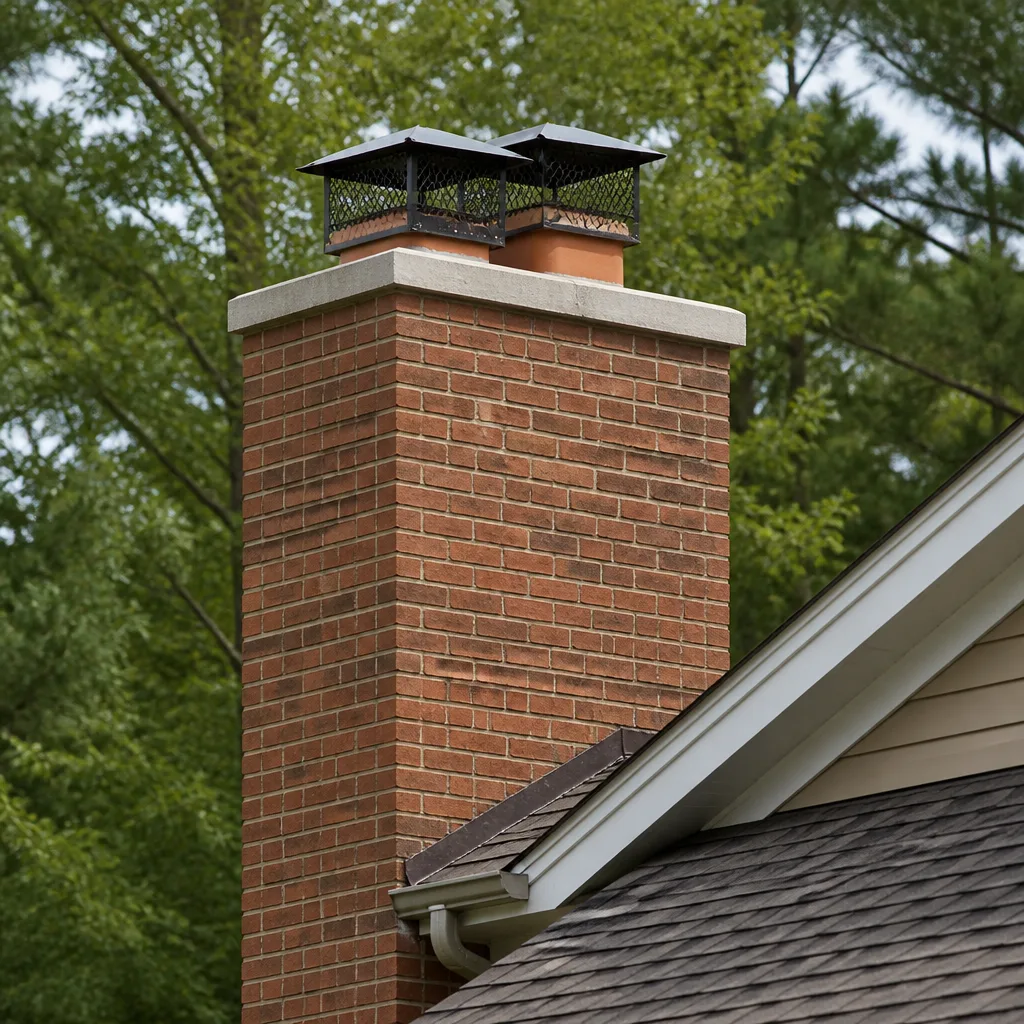 Caps & crowns
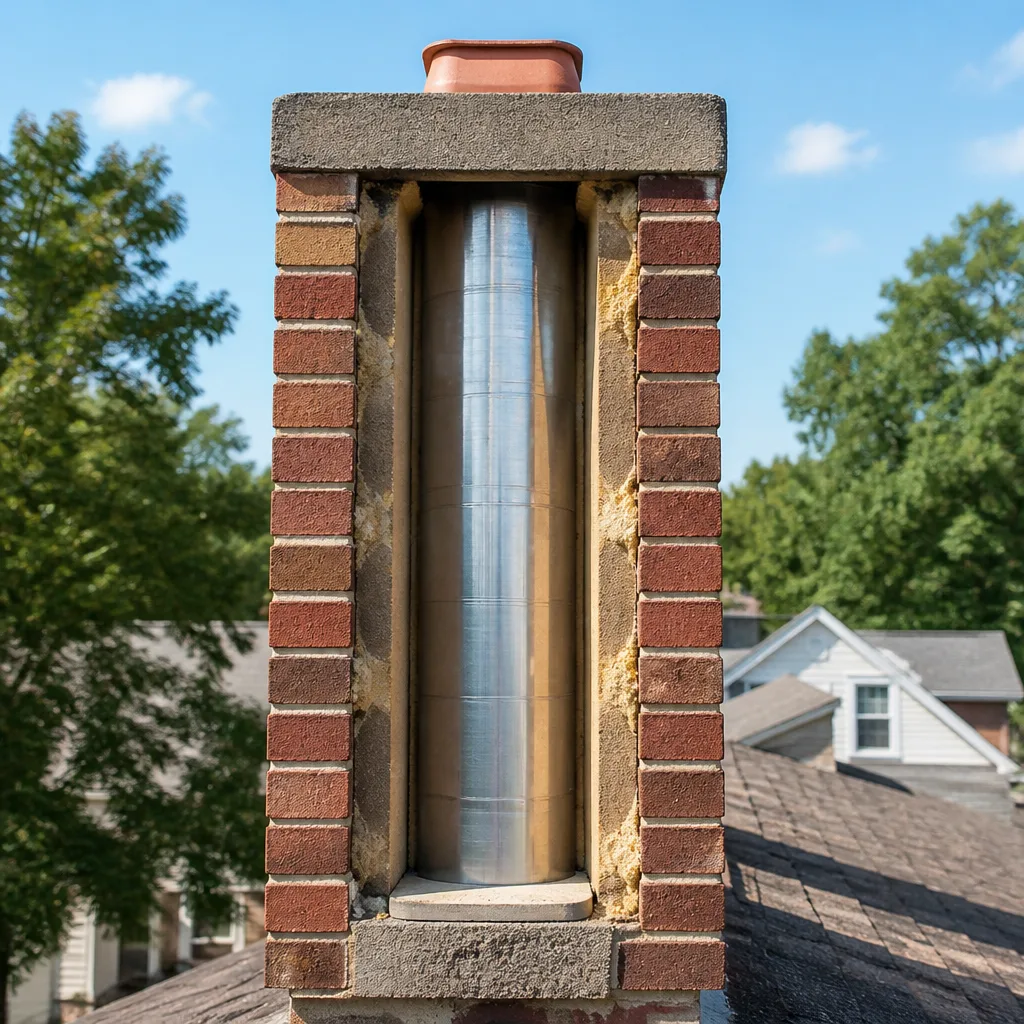 Flue relining
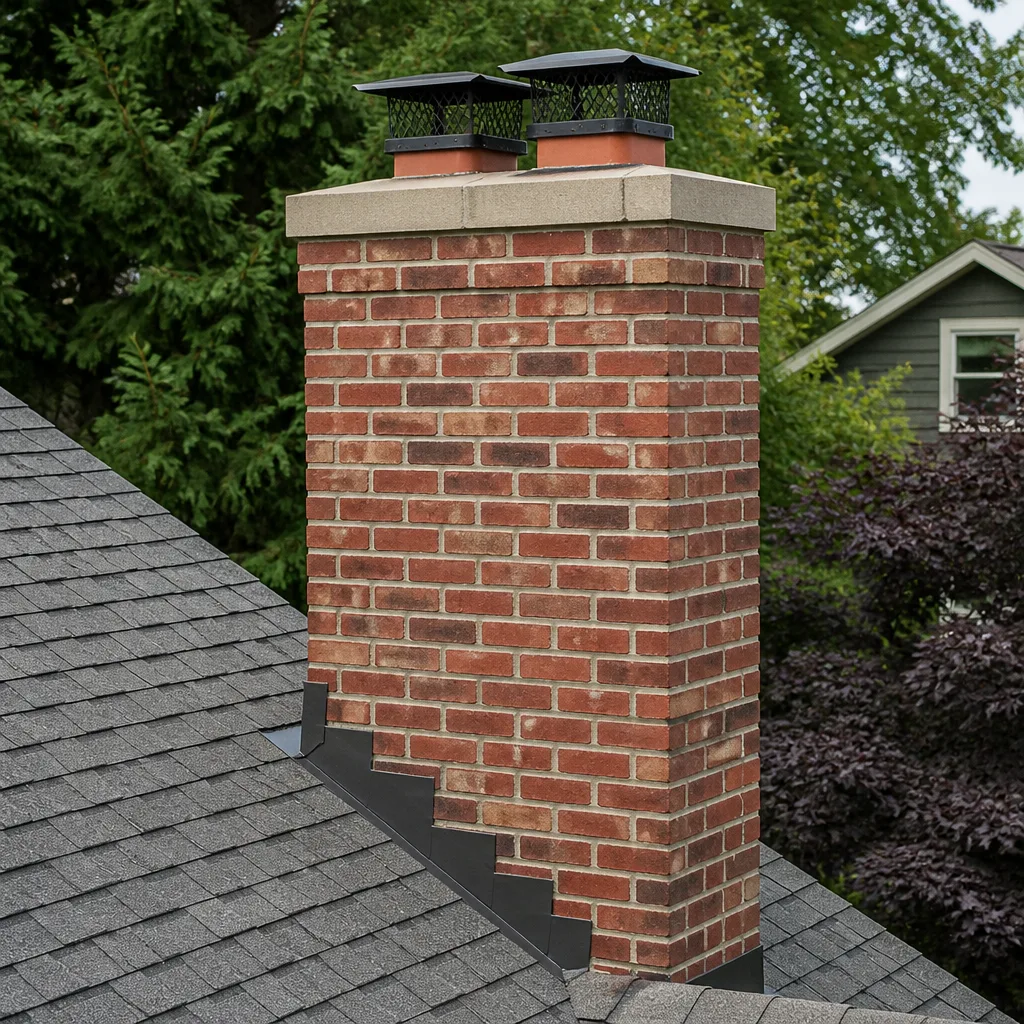 Masonry repair
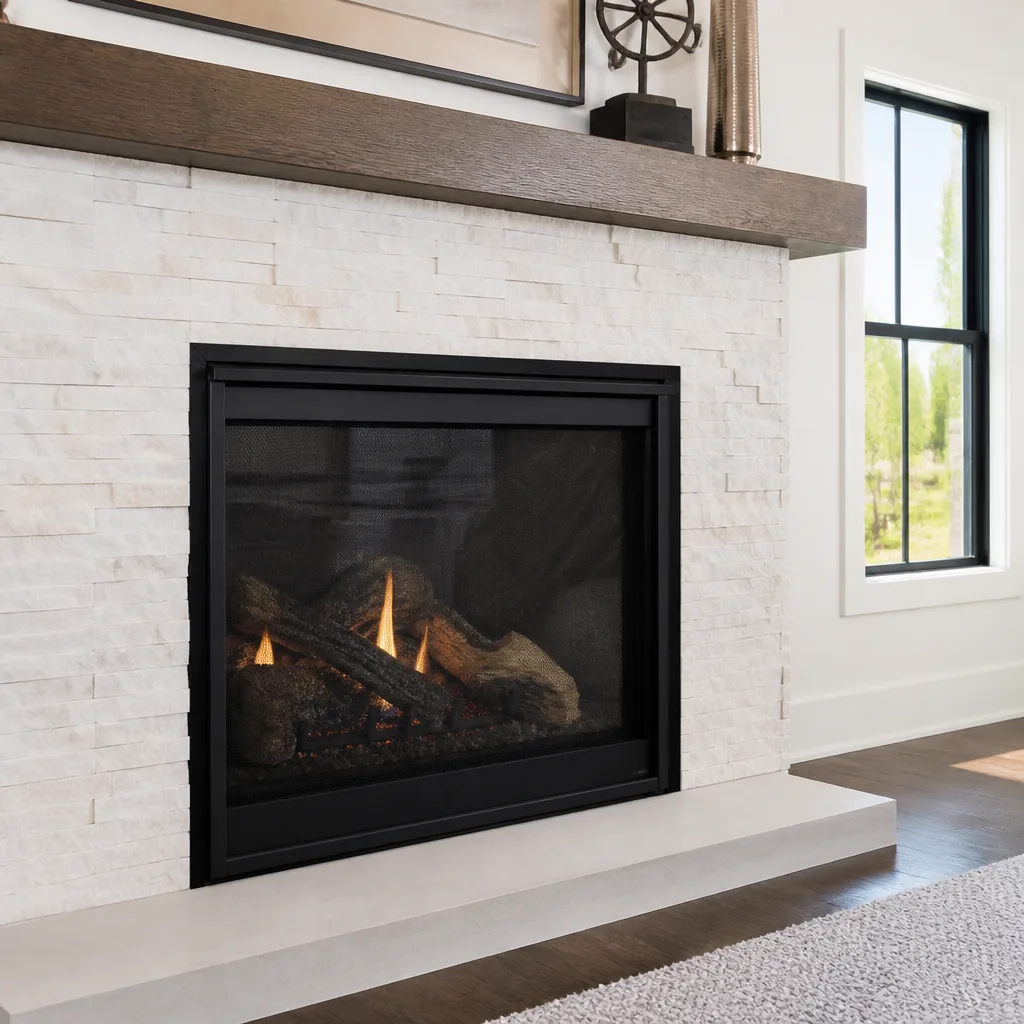 Gas fireplace service
Level 1 sweep and inspection to the NFPA 211 annual standard - flue, crown, cap, and flashing checked and photographed
Chimney sweep logs do not sweep chimneys. They loosen some creosote - which then falls where a brush and vacuum still have to collect it.
Chimney Sweep Maintenance Checklist for Concourse Homeowners
If your chimney sweep hands you a one-page invoice but never mentions the condition of your smoke chamber, crown, or liner joints, you don’t have a maintenance record – you have a receipt. That’s the gap most homeowners never notice until a problem turns expensive. A real maintenance checklist isn’t a list of things to look for; it’s a record of what a trained technician actually verified, when, and what the result was. This guide gives you that framework, season by season, so you know exactly what should be happening at every visit and can hold any contractor to a professional standard. Chimney Sweep Concourse built this checklist around what our technicians check at each interval.
Quick Answer
A chimney maintenance checklist for a Concourse home should track four things: pre-season inspection (damper, liner, cap, crown), mid-season creosote monitoring during heavy winter use, post-season moisture assessment after freeze-thaw cycles, and a written log of every sweep and repair. Sweep when the creosote layer reaches about 1/8 inch or at least once a year during active use. Anything beyond a visual glance at the exterior needs a trained eye and the right tools.
Styles & brands we work with
- Sweep & inspection
- Caps & crowns
- Flue relining
- Masonry repair
- Gas fireplace service
Table of Contents
- The Pre-Season Checklist: What Should Happen Before the First Fire
- The Mid-Season Check: Why January Matters
- The Post-Season Assessment: April and the Freeze-Thaw Problem
- What You Can Document Yourself vs. What Needs a Technician
- Building a Chimney Log That Works for You and Your Insurer
- Why Material Quality Changes Your Checklist
- How Often Should Each Item Actually Be Done?
The Pre-Season Checklist: What Should Happen Before the First Fire
Before the first fire of the season, your chimney should be swept and inspected, its damper should be tested through a full range of motion, and the cap and crown should be checked for cracks, rust, or missing screens. If any of those items don’t get a specific mention on your service record, the job is incomplete.
September is the right window because it’s before the first cold snap pushes every other Concourse homeowner to book at once, and it gives a technician time to repair anything found before you actually need the fireplace. The NY metro area’s fall is wet and cooling fast, which means any moisture sitting in the masonry from summer storms has one last chance to dry out if you catch it early.
Here’s what a proper pre-season visit should document:
- Damper operation – fully open, fully closed, no sticking, no visible gaps. A damper that won’t seal means heat loss all winter and a draft problem you’ll feel every cold morning.
- Liner integrity – a visual scan of every accessible joint and a check for gaps, spalling, or offsets. If your liner is a stainless system, the technician should note the condition of the top plate and the connection at the appliance.
- Cap and crown condition – cracks in the crown, rust on the cap, a loose screen. These are the two components most responsible for keeping water out of the chimney, and in this climate they take a beating.
- Creosote staging – the technician should be able to tell you whether you’re in stage 1 (soot and light flake), stage 2 (glazed, hard deposits), or stage 3 (a serious fire risk), and whether the sweep cleared it.
- Smoke chamber and flue – a camera inspection of the interior. This is where most one-page invoices stop short, and where real problems hide.
When we inspect, we photograph what we see and show it to you before recommending anything. That way, if the crown needs a crack sealant, the chimney cap needs replacement, or the liner needs a repair, you’re making a decision based on evidence rather than a verbal description. When a chimney cap and crown are failing, replacing them protects the whole system, and that’s work we handle directly.
The Mid-Season Check: Why January Matters
January is when creosote accumulates fastest in a Concourse chimney, because it’s the month with the heaviest burn load and the coldest flue temperatures. You don’t necessarily need another full sweep in January, but you do need to watch for specific signs and know when a mid-season cleaning becomes necessary.
Here’s the mechanism. Cooler flue gases condense faster on the walls of the chimney, depositing more creosote per cord of wood than the same burn would produce in milder weather. That means a chimney that was fine in November can build up a meaningful layer by February, especially if the wood you’re burning is less than fully seasoned or the fireplace is running for many hours in a day.
What a mid-season check should cover:
- Creosote depth at the smoke chamber – a quick visual is enough if the technician is already there. If the layer is approaching 1/8 inch or has become glazed, it’s time to sweep again.
- Draft performance – a fire that smokes into the room on cold, calm days is a signal the flue is restricted or the cap screen is clogged by soot.
- Cap screen condition – screens clog faster than most people expect, and a clogged screen cuts draft without any obvious smoke in the room.
- Smoke odor inside the house – if your Concourse home smells of smoke on a windy day even when the fireplace isn’t burning, there’s a backdraft or a pressure problem worth checking.
If you burn wood several days a week, our best advice is to keep a small notebook by the fireplace and note the date of your last sweep, how many face cords you’ve burned, and whether you’ve noticed any smoke issues. That one habit tells a technician more about your creosote load than any rule of thumb. We can typically sweep mid-season without a full inspection if nothing else is flagged, but if you’re overdue for a formal evaluation, we’ll schedule both.
The Post-Season Assessment: April and the Freeze-Thaw Problem
The April assessment is the one most homeowners skip, and it’s the one that matters most in the NY metro area. Spring is the right time to check for moisture damage because freeze-thaw cycles over the winter expand and crack masonry and mortar in ways you won’t see until the damage is done.
Here’s how it works. Water gets into tiny cracks in the mortar or crown, freezes overnight, expands, and opens the crack a little more. That cycle repeats through every freeze-thaw event across a Concourse winter, and by spring you have cracks that started hairline and ended the season as real pathways for water. Left alone, moisture in a chimney leads to spalling brick, rusted liner components, and a crown that eventually lets water pour into the flue.
A proper post-season visit should document:
- Crown cracks – any crack wider than a hairline, or any visible delamination, is a moisture pathway. Crown work is one of the highest-value repairs you can make to a chimney in this climate.
- Spalling brick – flaking faces on the exterior masonry are a sign that water has been inside them for at least one full freeze-thaw cycle.
- Damper and firebox condition – after a long winter of fires, the firebox should be checked for cracked refractory panels and the damper for tight sealing.
- Cap integrity – a rusted or loose cap lets water and animals in after the heating season. If your current cap is galvanized and showing rust, copper is the upgrade that won’t rust again.
- Liner joints and top plate – the top plate seal is the first line of defense against water running down the outside of the flue.
April is also the right time to plan repairs before next fall. If a crown repair or a liner fix is recommended, doing it in the warmer months gives the materials time to cure and gets you ahead of the September rush. We inspect before we recommend, and we’ll tell you plainly when a repair can wait until next season.
What You Can Document Yourself vs. What Needs a Technician
You can safely document exterior visual condition, smoke odor, and draft performance from inside the room. Anything that requires looking into the flue, checking liner joints, evaluating creosote depth, or assessing the smoke chamber needs a tool and a trained eye. Knowing the difference saves you money and keeps you safe.
Here’s a practical split:
- You can do: exterior visual. Stand back from the house and look at the chimney top. Note rust, cracked crown, missing cap, or a leaning stack. A phone photo taken in September and again in April is a useful record.
- You can do: draft performance. Light a small fire and watch for smoke rolling into the room. Note whether it smokes more on windy days or on calm, cold ones. That tells a technician a lot.
- You can do: smoke odor. Note when and where you smell smoke in the house, and whether it happens during a fire, after one, or on a warm day with no fire. Each pattern points to a different cause.
- You can do: firebox visual. Look at the interior panels of the firebox from outside the fire. Any crack, crumbling mortar, or missing refractory is worth flagging. Don’t reach into it.
- Leave to a technician: creosote depth and stage. The difference between a light soot flake and glazed creosote is a matter of touch, location, and trained judgment. Guessing wrong is a fire risk.
- Leave to a technician: liner joints and flue interior. A camera inspection is the only reliable way. This is where hidden gaps and offsets become a safety issue.
- Leave to a technician: smoke chamber and crown evaluation. Both require getting on the roof safely and looking closely at surfaces that fail in ways you can’t see from the ground.
The reason we split it this way is that the DIY-able items create the documentation, and the professional items create the safety. If you’re documenting consistently between visits, your annual or semi-annual professional inspection moves faster, because the technician has a history to compare against. When a technician also handles the repair, that history doesn’t get lost in a handoff between contractors.
Building a Chimney Log That Works for You and Your Insurer
A chimney log is a simple written record of every sweep, inspection, repair, and observation, kept with the date and the technician’s notes. Most homeowners never keep one. The ones who do get faster inspections, clearer repair recommendations, and a paper trail that holds up if a future insurance claim ever needs documentation.
Here’s what a useful log should contain:
- Date and type of service – sweep, inspection, repair, cap or crown work, fireplace repair. Note the technician’s name if the company provides one on the invoice.
- Creosote stage and depth observed – even “stage 1, light flake” is a useful data point two years later.
- What was photographed – if your technician took camera images, keep them. A photo of the crown in September 2024 means something specific when it’s compared in April 2025.
- Repairs recommended but deferred – this is the most useful section. If a technician told you the crown could wait, you want that in writing.
- Repairs completed, and materials used – brand names matter, because the warranty on a chimney cap or liner often follows the material. If we install a Copperfield cap or a DuraFlex liner, we note it. If we repair a crown with a HeatShield product, we note that too.
- Anything that changed in the house – a new furnace, a new dryer vent, a wood stove insert. Major changes to the house can change the chimney’s performance.
For insurance, the log is not a requirement, but it’s the clearest evidence that you maintained the system. Most homeowner policies cover chimney damage from a sudden event, but neglect is a separate question. A log that shows regular sweeps and timely repairs answers that question before it gets asked. We keep a record of every service we perform for a Concourse homeowner, and we’ll share it in writing if you ask.
Why Material Quality Changes Your Checklist
Material quality changes the checklist because good components last longer, which reduces how often each item needs to be redone. A chimney cap made from thin galvanized steel will rust. A copper cap made by a brand like Copperfield is the same part, at a cost that reflects the difference in lifespan, and the checklist item “check the cap for rust” becomes a much simpler answer each year.
We work with professional-grade brands across the whole system, because mixing cheap hardware with a well-built chimney shortens the lifespan of the weakest part. DuraFlex for flexible stainless liner, Olympia Chimney for flue and cap components, HeatShield for masonry repair, Famco for top-sealing dampers and related parts, Gelco for chimney caps and crown support, Copperfield for copper work. These are brands recognized across the chimney industry, not whatever the local hardware store stocks, and they’re what our technicians reach for when they match a repair to your chimney’s actual condition.
For a homeowner’s checklist, that matters in three specific ways:
- The cap should be checked against the brand and material – if your current cap is generic galvanized and rusting, a copper replacement ends the question. Note the brand on your log so you know what to expect next time.
- The liner should match the appliance – a gas fireplace and a wood-burning fireplace need different liner specifications. If a repair is recommended, ask what brand and type the technician plans to install.
- Crown repair should be rated for masonry, not caulk – a tube of caulk from the hardware store is not a crown repair, and it fails the first winter. A proper crown repair uses a material designed for the job.
This is where material choices come from a specialist’s judgment rather than a general contractor’s catalog. And when the same company that inspects your chimney is the one that repairs it, no one has to hand off a report to a second company and hope the details survive.
How Often Should Each Item Actually Be Done?
Sweep at least once a year during active use, or more often if your creosote layer reaches about 1/8 inch. Inspect annually, even in years you skip the sweep. Cap and crown visual checks should be done by a technician at every visit, and by you from the ground in between.
The quick guide:
- Sweep: annually during active use, and mid-season if you burn heavily or notice draft issues. If you burn wood more days than not, expect to sweep more often.
- Full inspection: annually, regardless of sweep. The camera inspection is a separate service and stands alone.
- Cap and crown: check at every visit, replace when rust, cracks, or spalling appear. In the Concourse climate, freeze-thaw accelerates their decline.
- Fireplace repair: evaluate whenever you notice a draft problem, a smoky fire, or a visible defect in the firebox. Don’t wait for the annual visit if the fireplace is behaving differently.
- Liner evaluation: every few years, or immediately if you’ve changed the appliance, had a chimney fire, or noticed damage to the interior. A camera inspection is the only reliable check.
The simplest rule: the annual sweep is the baseline, and the inspection is the diagnostic. You shouldn’t rely on the sweep alone, because the sweep doesn’t look inside the system. And you shouldn’t rely on the inspection alone, because it doesn’t remove the creosote. You want both, and you want the company that does them to also be able to fix what it finds.
Common Mistakes to Avoid
- Treating a sweep as a complete service. A sweep without a documented inspection doesn’t tell you about the liner, smoke chamber, or crown. The two services are separate, and the inspection is what catches hidden problems.
- Going by price alone. A low-bid sweep that leaves you no written record, no photos, and no report on liner condition costs more than it saves. The follow-up visit, when something goes wrong, is where the real cost lives.
- Skipping April because “the season is over.” In the NY metro freeze-thaw pattern, the damage done by winter is often first visible in spring. A spring inspection is the best moment to plan repairs before next fall.
- Burning unseasoned wood to get by. Green wood produces more creosote per fire, and that creosote accumulates faster than most people realize. If your wood is smoking at the ends and hissing, it’s not ready.
- Ignoring the smoke smell in the house. A backdraft or a pressure problem can be small at first and get worse. Note when it happens and tell a technician at the next visit.
- Replacing a cap with the wrong material. The cheapest cap on the shelf rusts and needs replacing within a couple of seasons. Copper is the finish line, not the starting point.
- Not keeping a log. Without records, every visit starts from zero. With records, the technician can compare against last year and spot trends you’d otherwise miss.
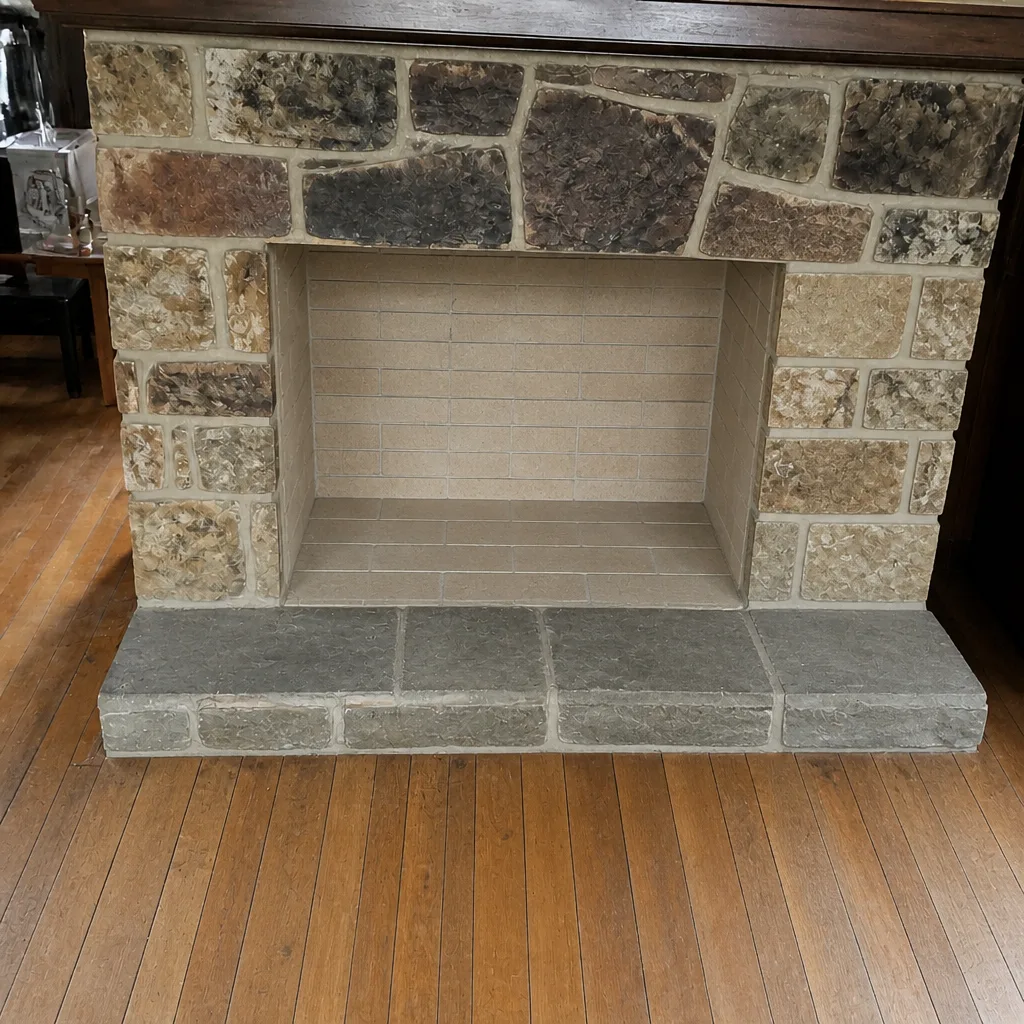
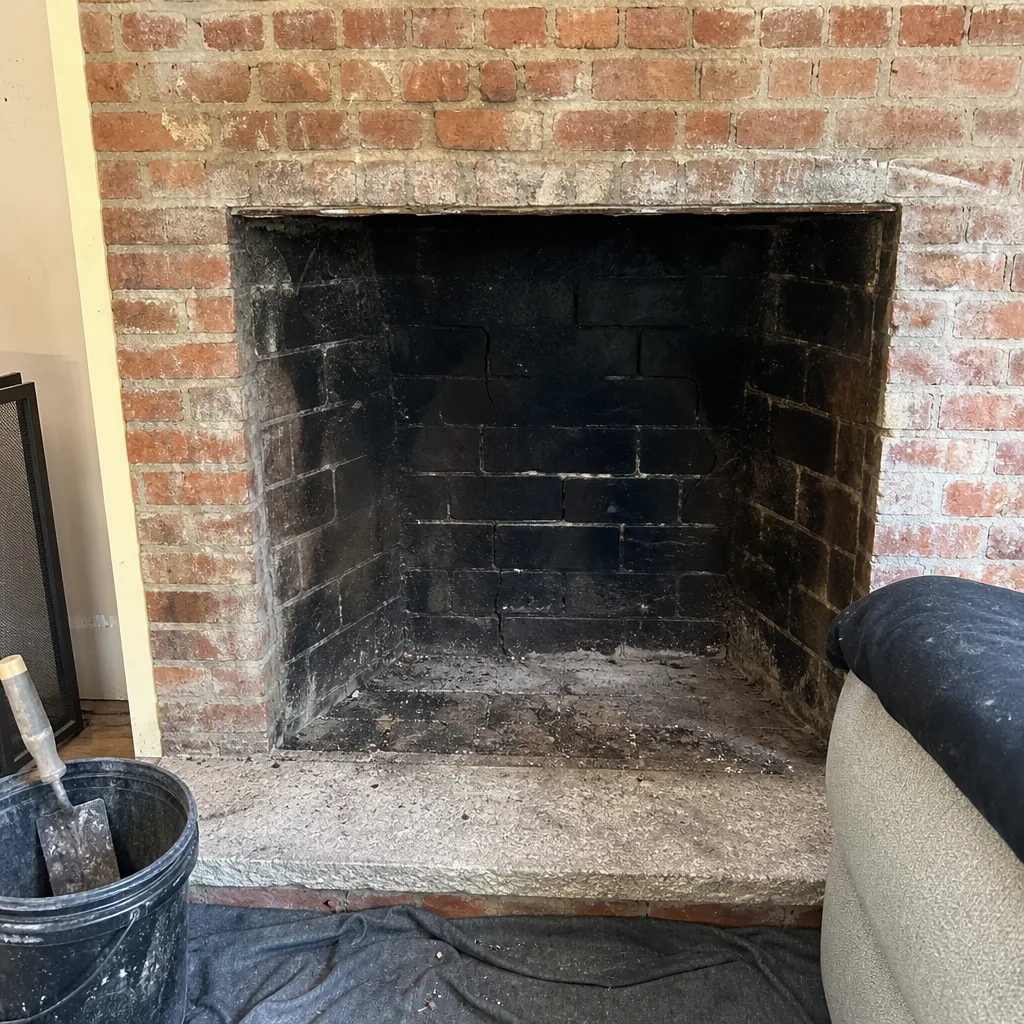
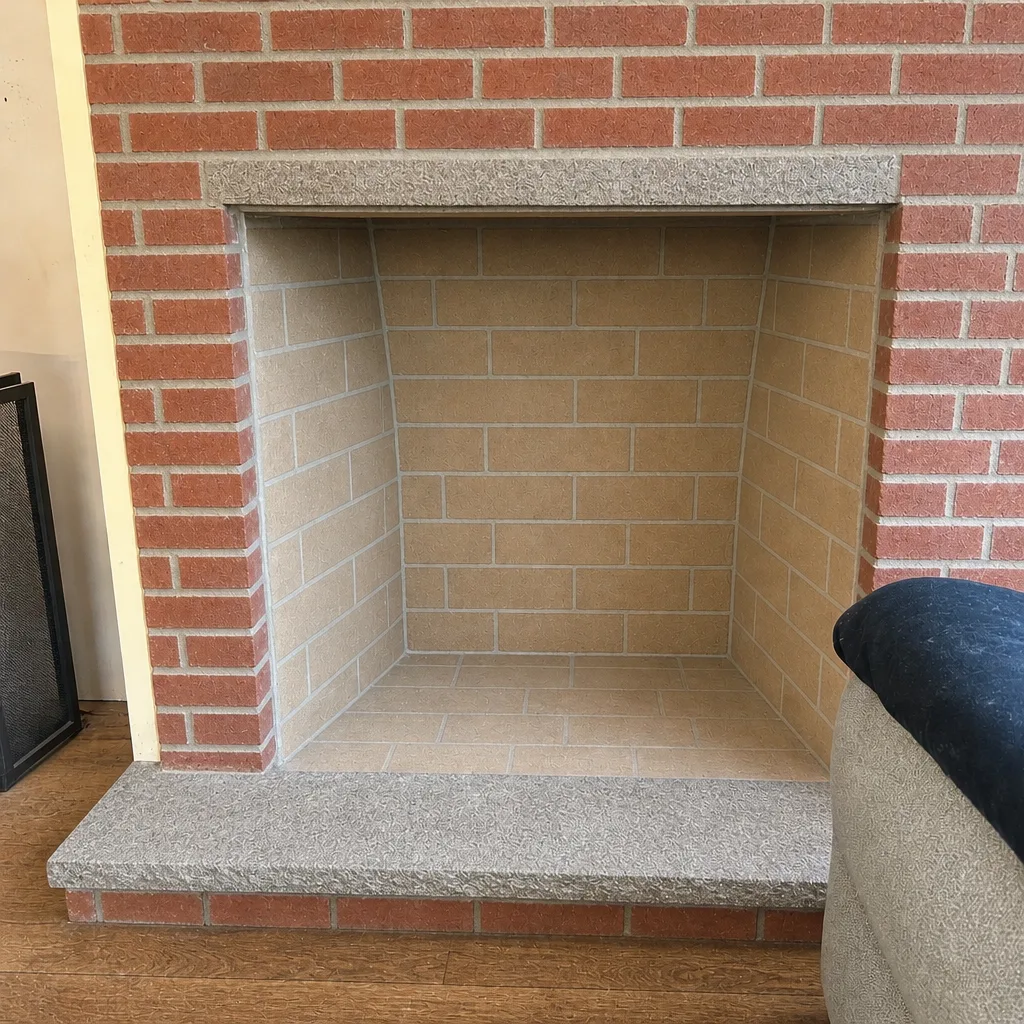
See the difference
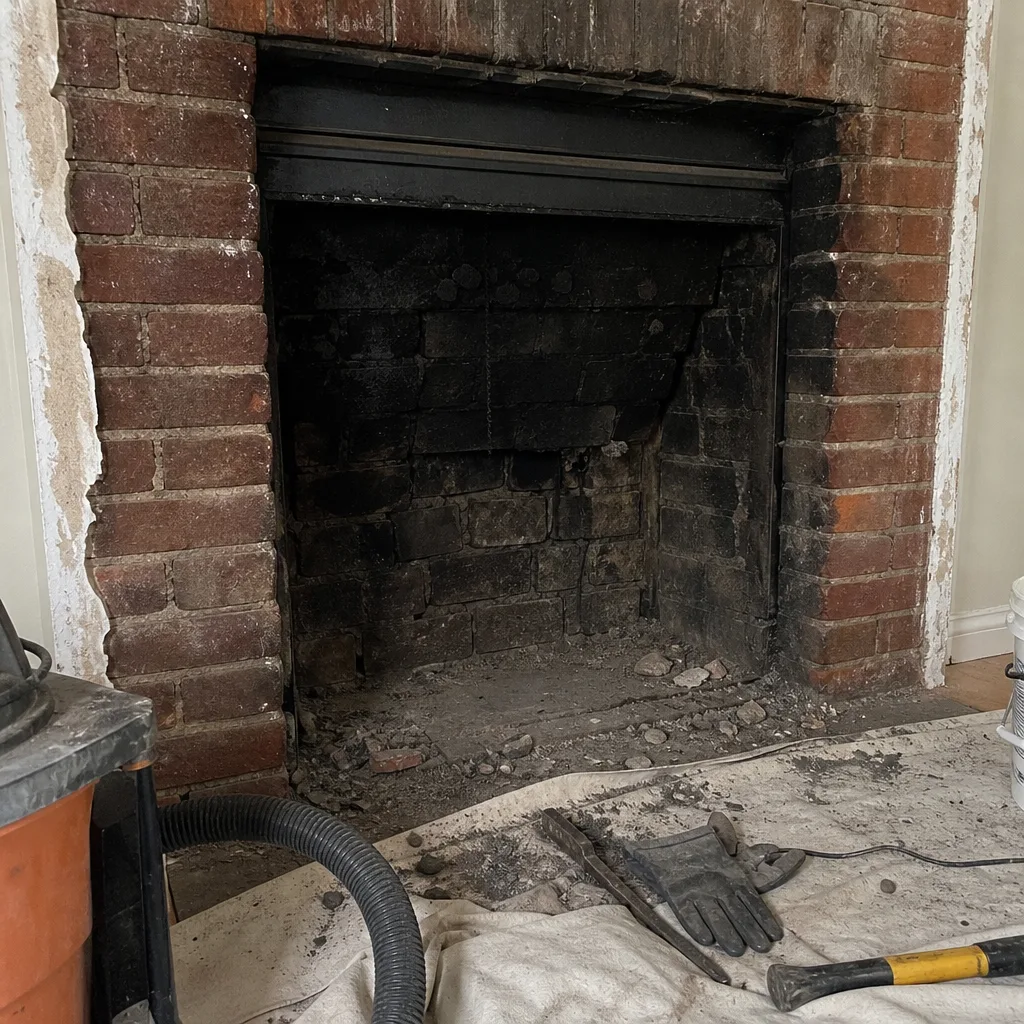 Before
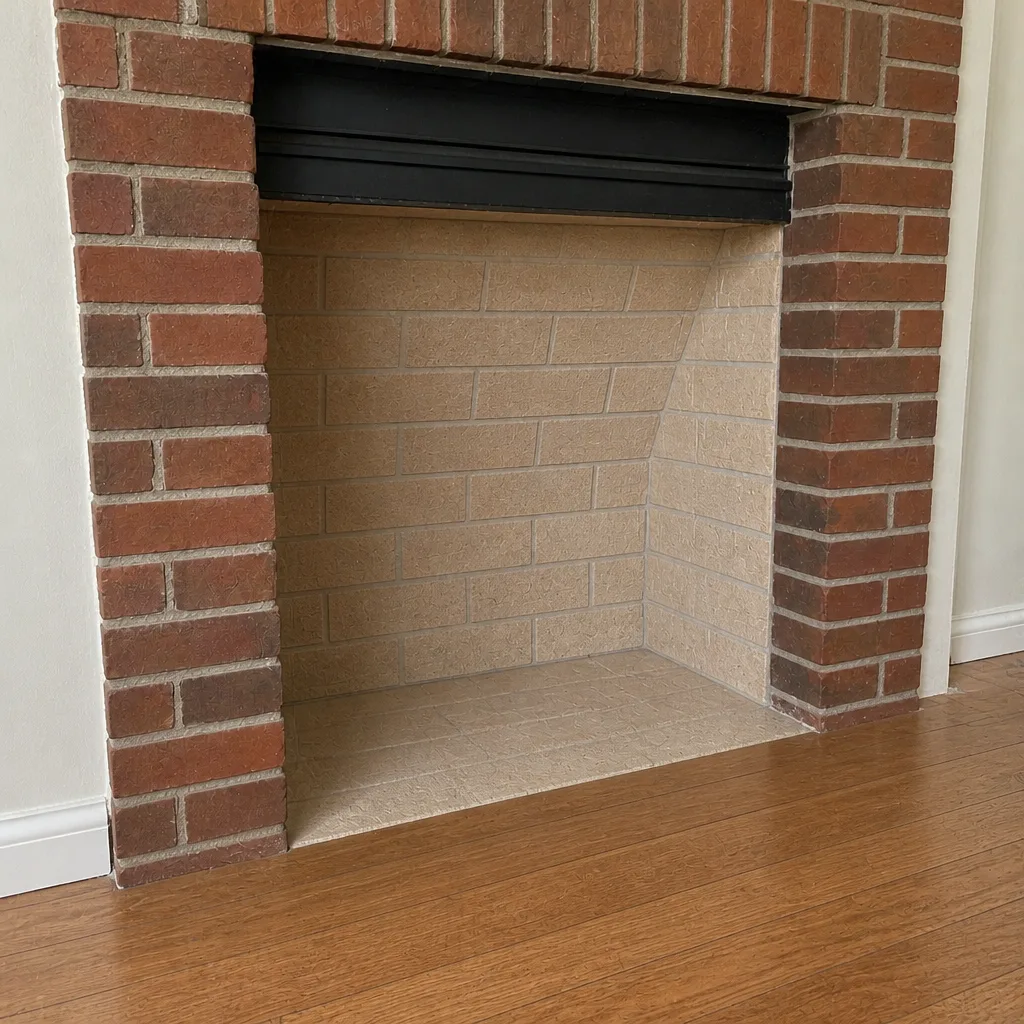 After
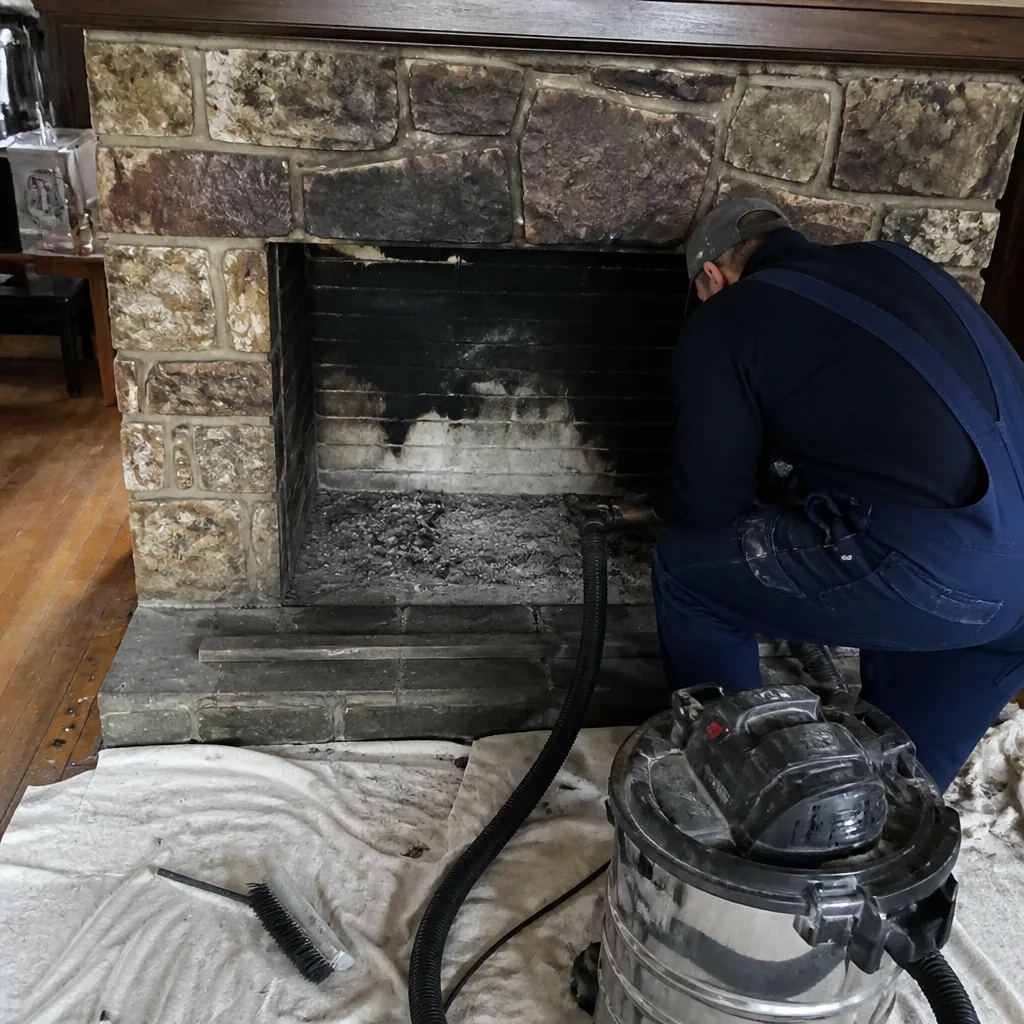 Before
 After
 Before
 After
When to Call a Professional
Call a professional when you notice any of these signs: a smoky fire that used to burn clean, a persistent smoke smell in the house, visible cracks in the crown or spalling brick, a missing or rusted cap, or a creosote layer that is glazed rather than flaky. Call if you’ve never had an inspection and you’ve been burning regularly for a couple of seasons. Call if your chimney was damaged in a storm, had a chimney fire, or has changed appliances since its last evaluation. Skip the call only for the DIY-able items, and those are the documentation, not the repair.
Chimney Sweep Concourse offers free estimates in Concourse. Call (877) 792-5845. We answer 24/7. Fast dispatch from 7am to 7pm, Sunday through Friday. We inspect before we recommend, and we repair with the professional-grade materials your chimney deserves. For an overview of our full range of services, visit our homepage or start with our chimney sweep service. If you’re ready to schedule a formal evaluation, book a chimney inspection. When the repair is structural, we move to chimney repair. And when the cap or crown has failed, that’s chimney cap & crown work. One company, one call.
Frequently Asked Questions
Once a year during active use is the baseline, and more often if your creosote layer builds to about 1/8 inch. Concourse’s cold winters mean heavy burn loads in January and February, so many homes need a sweep at the start of the season and another if a mid-season check finds glazed creosote. Call (877) 792-5845 if you’d like a sweep scheduled – estimates are free.
A full inspection should check the damper, liner joints, smoke chamber, flue interior, cap, and crown, and it should come with a written report and photos. A one-page invoice without any of those items is not an inspection. If you’re not sure what was done, call (877) 792-5845 and ask for a standalone inspection.
Yes. A sweep cleans the flue; it does not evaluate the liner joints, the smoke chamber, or the crown. They’re two separate services, and you need both for the checklist to be complete. Call (877) 792-5845 to book either or both – estimates are free.
Creosote keeps building, the crown keeps cracking, and the cap keeps rusting, which is when small repairs turn into larger ones. Skipping a few years doesn’t mean the chimney fails immediately; it means the checklist gets longer and more expensive. Call (877) 792-5845 to have your chimney assessed and get a clear picture of where it stands.
Yes, for the exterior, the draft performance, and the smoke odor. You can also keep a log of what you see. You should not attempt to check the liner or creosote depth yourself, because those require a camera inspection and trained judgment. Call (877) 792-5845 for the interior work.
Both, and the same company handles the entire system: sweep, chimney cap & crown, chimney repair, fireplace repair, and formal inspection. We work with DuraFlex, HeatShield, Gelco, Olympia Chimney, Famco, and Copperfield – professional-grade brands recognized across the chimney industry. Call (877) 792-5845 for a free estimate.
The Bottom Line
A chimney maintenance checklist is only as good as the record it produces. Sweep annually, inspect at least once a year, check the cap and crown at every visit, and assess moisture in spring after the freeze-thaw season you just put your masonry through. Document what you see, keep your log with the appliance, and hand it to your technician at each visit. That’s how you turn a one-page invoice into a real maintenance record, and how you spot the small problems before they become the expensive ones. Chimney Sweep Concourse is built around that idea: we inspect before we recommend, we repair with materials built to last, and we handle the sweep, the cap, the crown, the repair, the fireplace, and the inspection under one roof. Call (877) 792-5845 for a free estimate and a written record of what your Concourse chimney actually needs.
Written by the team at Chimney Sweep Concourse.