
Last updated November 25, 2026
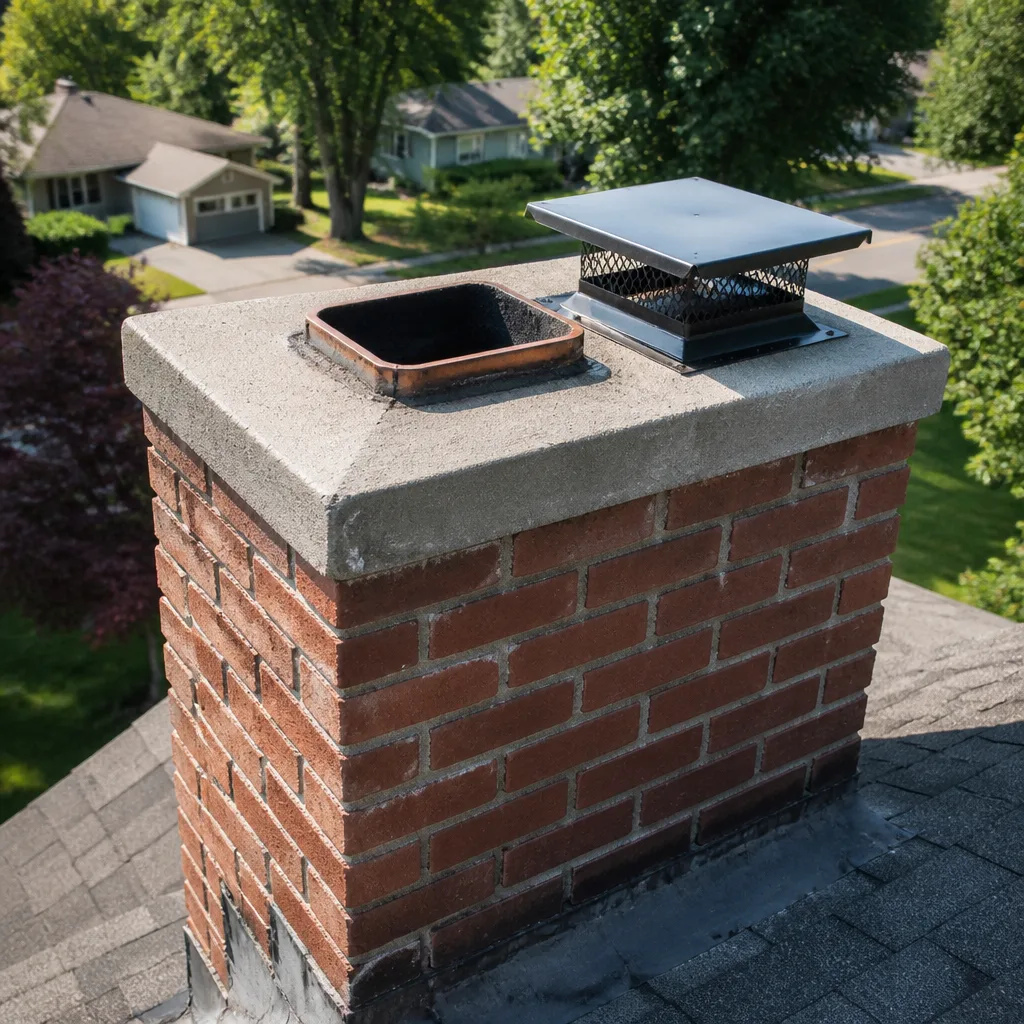 Sweep & inspection
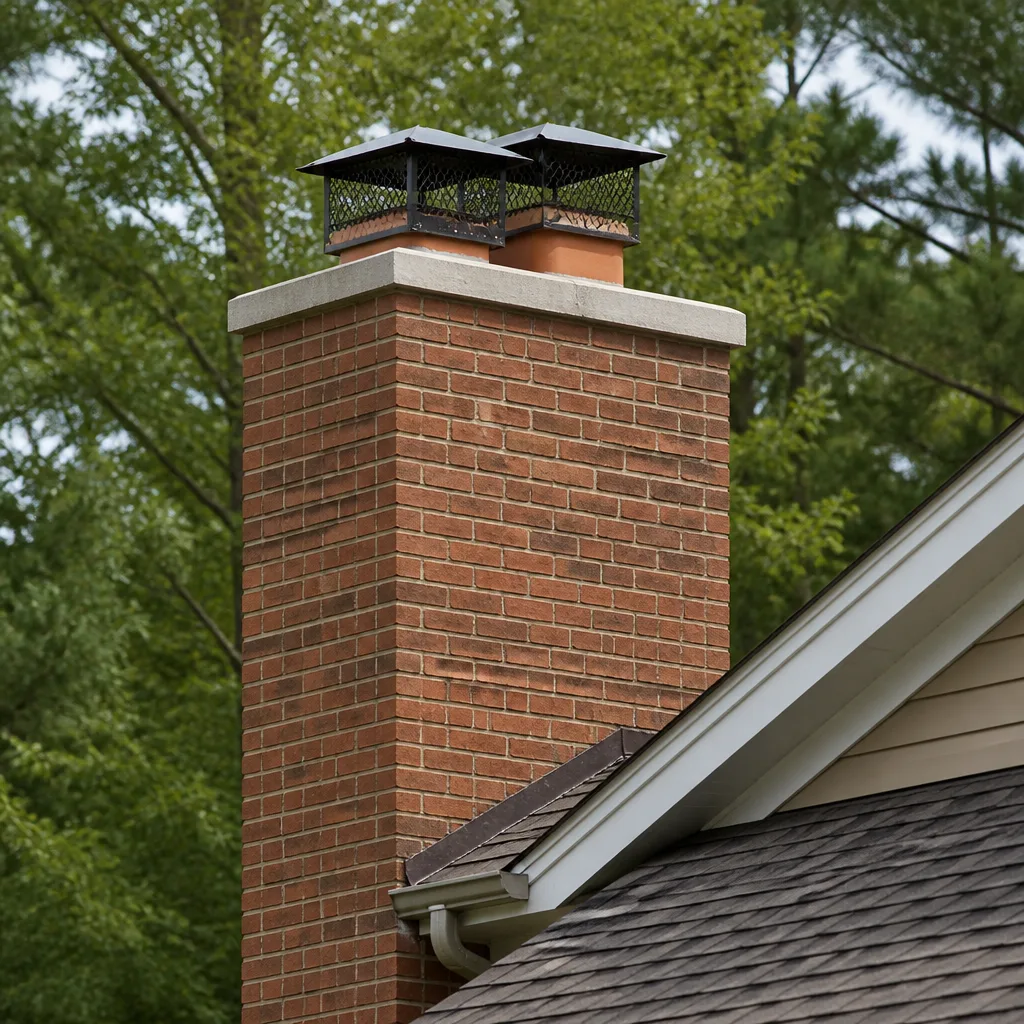 Caps & crowns
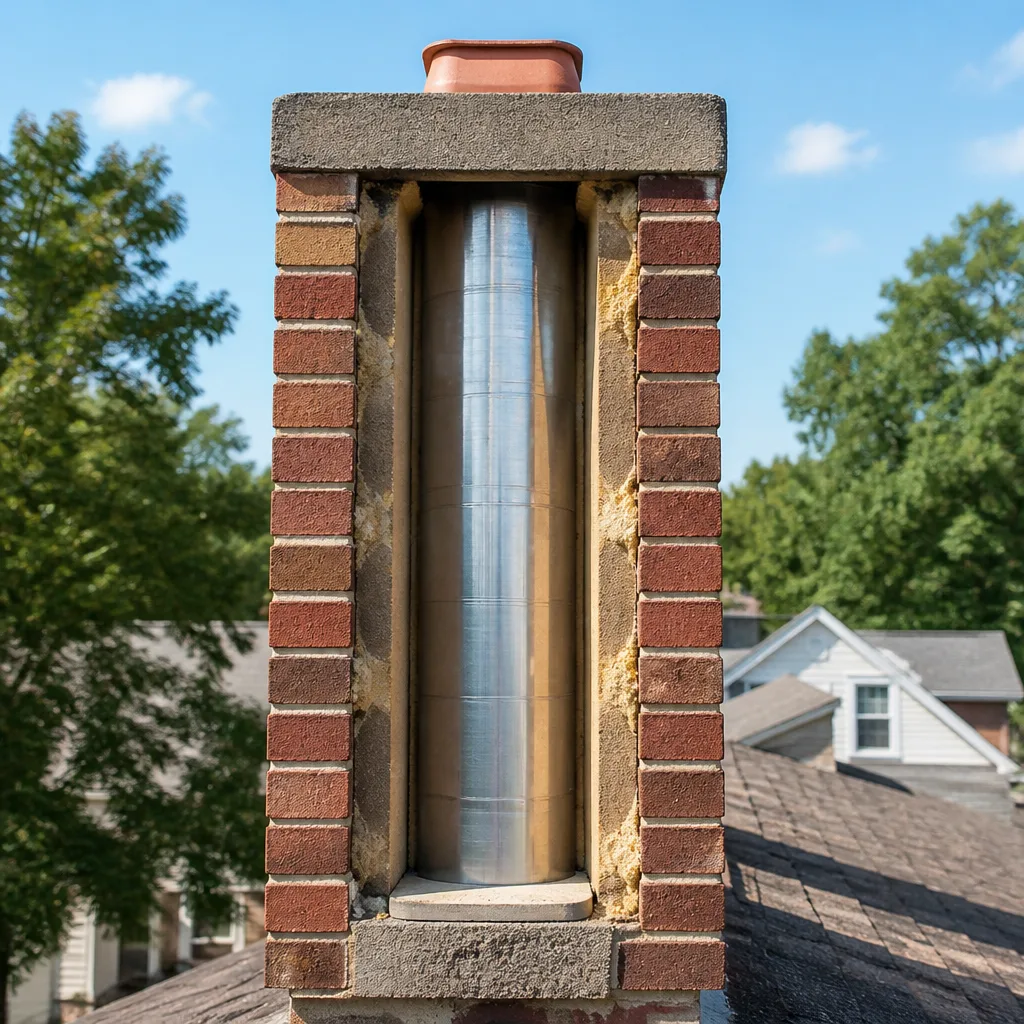 Flue relining
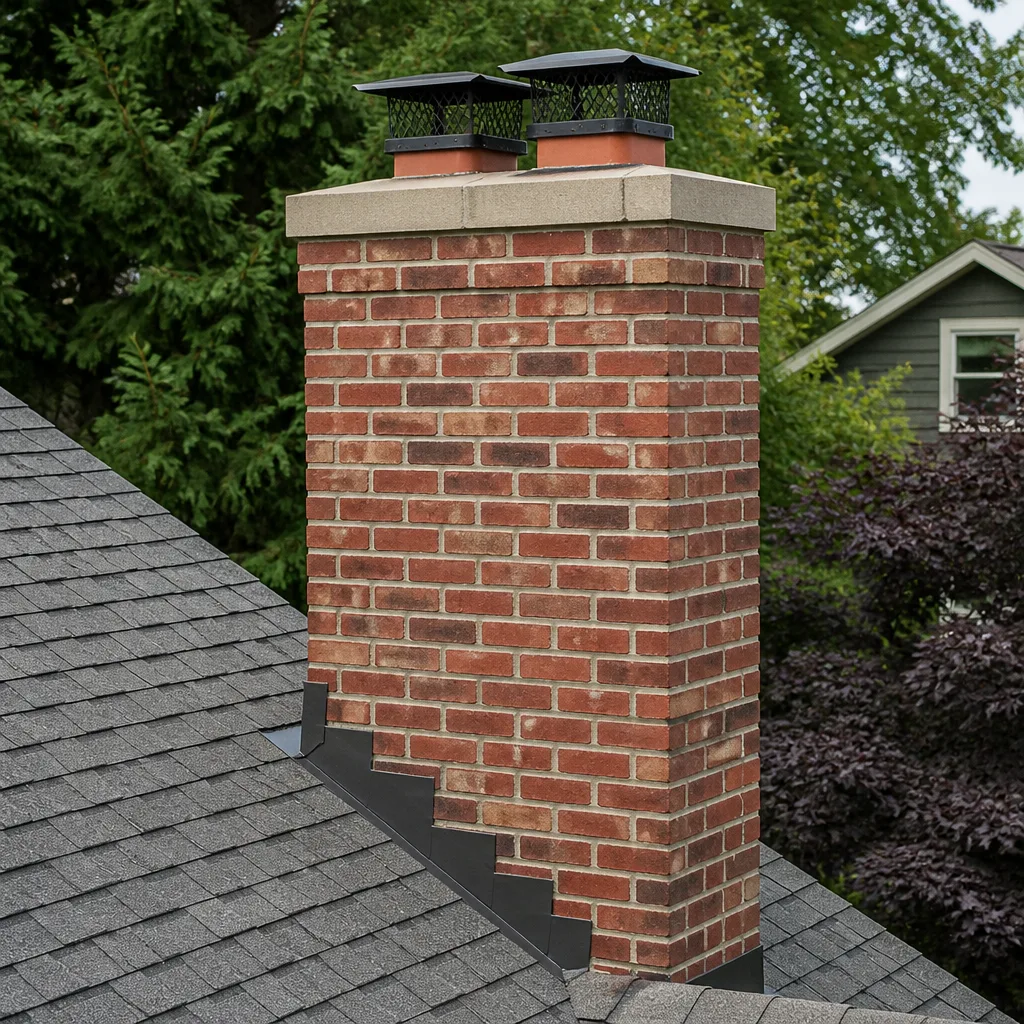 Masonry repair
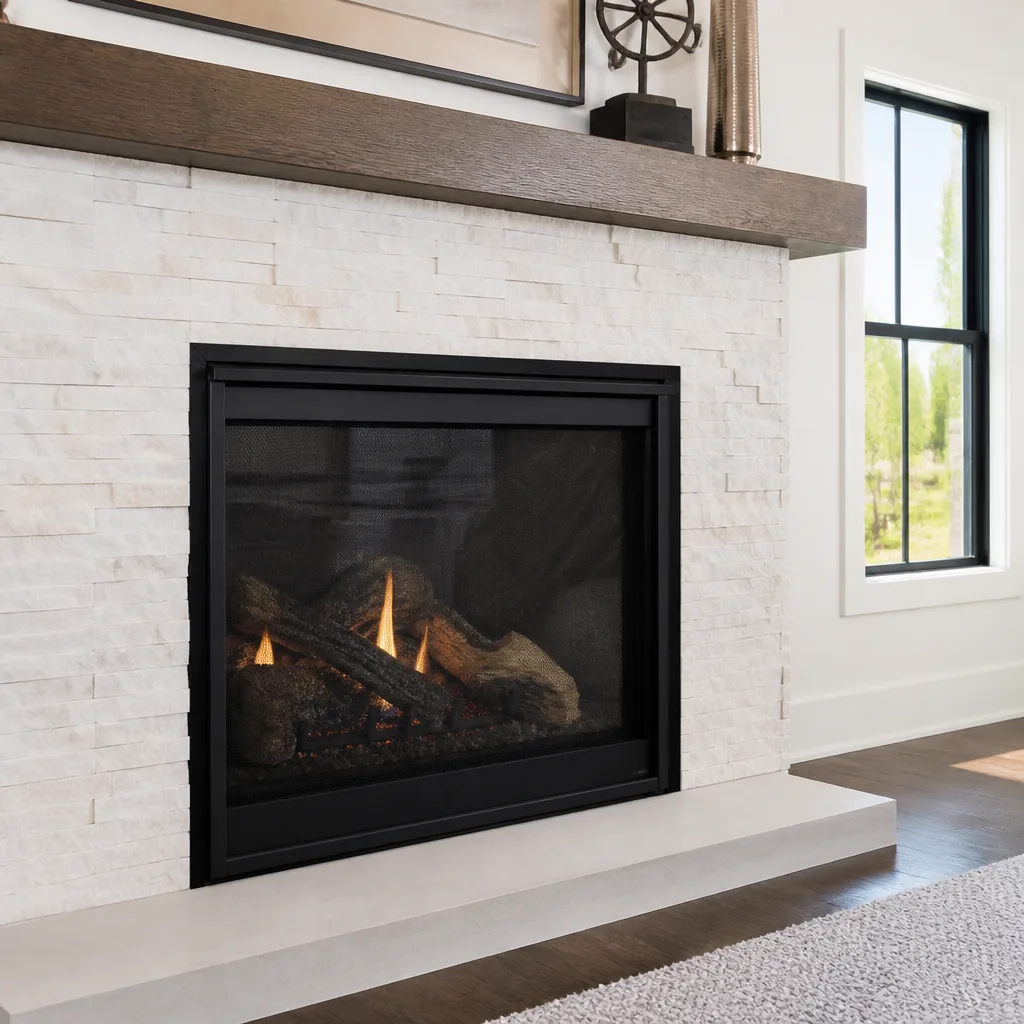 Gas fireplace service
Level 1 sweep and inspection to the NFPA 211 annual standard - flue, crown, cap, and flashing checked and photographed
Chimney sweep logs do not sweep chimneys. They loosen some creosote - which then falls where a brush and vacuum still have to collect it.
Chimney Cleaning Permits, Codes & Inspections in Concourse, NY: What You Need to Know
Most Concourse homeowners assume the paperwork starts the moment anyone touches the chimney. It usually doesn’t. A routine cleaning is maintenance, and maintenance doesn’t need a permit. The surprise comes later, when a sweep finds a cracked flue liner or a failing crown and the job shifts from cleaning to construction. That’s the line where New York code, documentation, and your insurance coverage all start to matter, and it’s the line almost nobody explains before the work begins. This guide walks you through where cleaning ends and permitted repair begins, how NFPA 211 and local code work together, what a Level 2 inspection actually documents, and what to do if you’ve inherited an unrecorded repair in Concourse.
Quick Answer
Routine chimney cleaning in Concourse, NY does not require a permit, but repair or installation work such as relining, firebox rebuilding, or cap and crown replacement generally does under New York State and NYC building codes. A Level 2 inspection is not a permit requirement for cleaning, but it is the documented evaluation you’ll want before a home sale, after a chimney event, or when an appliance changes. Keep the paperwork for any repair: it’s your proof the work met code.
Styles & brands we work with
- Sweep & inspection
- Caps & crowns
- Flue relining
- Masonry repair
- Gas fireplace service
Table of Contents
- Where Cleaning Ends and Permitted Repair Begins
- How NFPA 211 and New York Codes Work Together
- What a Level 2 Inspection Is and When It’s Required
- How Permit Records Protect You at Sale and Claim Time
- What to Do About Unpermitted Work From a Previous Owner
- Why Material Specification Matters in a Permitted Repair
- The Step-by-Step Path From Sweep to Signed-Off Repair
Where Cleaning Ends and Permitted Repair Begins
The cleanest way to think about it: if the work removes soot and creosote from an intact system, it’s cleaning. If the work alters, replaces, or rebuilds part of the venting system, it’s repair, and repair is where permits live.
Cleaning covers brushing the flue, removing creosote from the firebox and smoke chamber, and clearing the smoke shelf. It’s maintenance on a system that’s already functioning. No structural component changes, so no permit is triggered. In our experience, the vast majority of Concourse cleanings stay on this side of the line.
Repair territory looks different. These jobs generally require a permit or at least a filed application with your local building department under New York State codes:
- Installing or replacing a flue liner, including a stainless system
- Rebuilding a firebox or repairing firebox cracks that affect the fire chamber
- Replacing a chimney crown or making structural masonry repairs
- Installing a new chimney cap where it changes the venting termination
- Adding or swapping a wood stove, insert, or gas appliance connection
- Any work that changes the flue’s cross-section, height, or clearances
The rule of thumb is that anything a building inspector would want to look at before it’s covered by masonry or a new cap usually needs a permit. If you’re ever unsure whether your specific job crosses that line, the safest move is to ask your local building department before the work is scheduled, not after. Manhattan and the surrounding boroughs apply these rules consistently, and a legitimate contractor will not shy away from the question.
How NFPA 211 and New York Codes Work Together
Two frameworks govern your chimney, and they operate on different levels. NFPA 211 is the national standard for chimneys, fireplaces, vents, and solid-fuel appliances. It sets the technical benchmarks: clearances, liner requirements, inspection levels, and installation methods. New York State and NYC building codes adopt those benchmarks and add the permit and inspection process on top.
Think of NFPA 211 as the “what” and the local code as the “how it gets approved and recorded.” NFPA 211 tells you a liner must be continuous and correctly sized; the local building code tells you the installation has to be permitted and inspected before it’s considered complete.
For Concourse homeowners, that means two things. First, a contractor who only talks about code compliance and never mentions NFPA 211 may be missing the technical standard that an inspector will check against. Second, a contractor who follows NFPA 211 but skips the permit has done work that may be technically sound but legally unrecorded.
The best companies work both frameworks at once. When Chimney Sweep Concourse recommends a reline, we’re describing an NFPA 211-compliant repair, and we’re also flagging that the job involves a permit and a documented installation with professional-grade materials. The two aren’t separate conversations; they’re the same conversation.
What a Level 2 Inspection Is and When It’s Required
A Level 2 inspection is a comprehensive visual and accessible-space evaluation of the entire chimney system, including the flue, firebox, crown, cap, and all accessible portions of the venting. It’s more thorough than a routine sweep-time check (Level 1) because it goes into accessible spaces like attics, crawlspaces, and behind accessible panels.
NFPA 211 identifies specific triggers for a Level 2 inspection:
- Sale or transfer of the property
- A change in the appliance, fuel type, or flue connection
- After a chimney fire or other event that may have damaged the system
- After an earthquake, severe weather event, or structural change to the building
- When the chimney is being inspected for the first time by a new service company
For Concourse homeowners, the home-sale trigger is the one that comes up most. Buyers want to know the chimney’s real condition before closing, and sellers want documentation that there’s no undisclosed issue. A Level 2 inspection gives both sides a written record.
What a Level 2 inspection documents matters as much as the inspection itself. You should receive a written report that notes the condition of each component, photographs of problem areas, and a clear statement of what was observed versus what was hidden or inaccessible. Anything a company can’t document visually should be flagged, not guessed at.
Chimney Sweep Concourse treats inspection as a standalone service, not an upsell attached to a sweep. Some customers book a Level 2 first, get the report, and then decide on cleaning or repair. That order is often the right one, especially in a home you just bought.
How Permit Records Protect You at Sale and Claim Time
Permits feel like paperwork when the job is done. They become evidence later. Two scenarios in the New York market make that concrete.
The first is property sale. When a buyer’s chimney inspector finds a recently relined chimney with no permit on record, the natural question is what else wasn’t recorded. The buyer’s attorney will often ask for a permit history before closing. If there’s no record, the deal can stall, the price can be renegotiated, or a new inspection can be ordered at the seller’s cost. In our experience, an unrecorded repair costs more to resolve at sale than the permit would have cost to file.
The second is insurance. Most homeowner policies cover chimney-related fire damage, but they typically reserve the right to deny a claim if the work that caused or contributed to the loss wasn’t done to code. A permit is the clearest proof that it was. Without a permit, an insurer may treat the repair as undocumented work and dispute the claim. Homeowners in Concourse are often surprised to learn that having an unlicensed contractor replace a flue liner without proper documentation can void a homeowner’s insurance claim after a chimney fire. The permit trail is the proof the work was done to code.
This isn’t a scare tactic. It’s a documentary reality. If the work is done to code and the permit is filed, the claim proceeds normally. If the work is done off the books, you’re carrying that risk yourself.
Keep a simple file with the permit number, the contractor’s name and contact information, the inspection sign-off, and photographs of the finished work. It takes ten minutes to assemble and can save you thousands in negotiation later.
What to Do About Unpermitted Work From a Previous Owner
You didn’t do the work. You bought the house. Now you’ve discovered a relined flue, a rebuilt firebox, or a new cap with no permit on record. This is common in Concourse, especially in older buildings where previous owners made improvements over the years.
Here’s what to do, in order:
- Get a Level 2 inspection. Document the actual condition of the system. The inspection tells you whether the unpermitted work is sound, marginal, or unsafe, independent of paperwork.
- Contact your local building department. Ask whether a permit can be obtained retroactively for the work that’s already done. Many jurisdictions allow this, sometimes with a plan review.
- Get an NFPA 211 compliance statement. A qualified chimney specialist can inspect the existing installation and provide a written statement that it meets NFPA 211 requirements. This becomes your documentation if a permit can’t be retroactively obtained.
- Have remedial work done if the inspection finds problems. Anything that doesn’t meet code gets corrected under a new permit, and the sign-off becomes part of your record.
- Keep the file. Inspection report, compliance statement, and any corrective work together in one place for future insurance and sale questions.
The good news is that most unpermitted chimney work is fixable. A stainless liner that was installed without a permit is often still sound. A firebox rebuild without a permit may be structurally fine. What’s missing is the record, and a Level 2 inspection plus a compliance statement can usually rebuild that record even when a permit isn’t available retroactively.
If a previous owner’s repair turns out to be unsafe, the inspection will show it, and the fix is a permitted repair. The cost of the inspection is small compared to the alternative of discovering the problem after a chimney fire.
Why Material Specification Matters in a Permitted Repair
A permit says the work was inspected. It doesn’t say the materials were right. That distinction matters because the inspection usually happens after the work is installed, when quality differences are harder to see.
Professional-grade materials add a layer beyond the permit. A stainless liner installed with a system from DuraFlex, for example, carries a manufacturer’s specification for temperature rating, corrosion resistance, and connection integrity that a generic liner doesn’t. Crown repairs done with a product like HeatShield follow a defined repair method and carry a documented process. Cap work with a system such as Copperfield holds up to weather and keeps animals and water out of the flue.
When we specify a material, we’re specifying the standard the repair should meet. Homeowners in Concourse who compare quotes often find that the lowest estimate uses materials without a stated standard, which is why the price looks lower. The permit and the material aren’t competing requirements; they’re two halves of the same standard.
The reasoning is simple: a permitted repair with a good material gives you a system that holds up over time. A permitted repair with poor materials gives you documentation of a system that may fail in a few years, and the second repair will cost more than the first.
For chimneys in Concourse, where winters bring freeze-thaw cycles that stress masonry, material choice matters more than in milder climates. Crowns that aren’t weather-rated can crack in a single season. Liners without the right rating for the appliance can degrade faster. The right materials plus a permit give you a repair that lasts.
The Step-by-Step Path From Sweep to Signed-Off Repair
Here’s how a well-run job moves through the process, whether it starts as a cleaning or as a repair.
- Initial cleaning or inspection. A yearly visit to clean the flue and inspect accessible components. If everything is intact, no permit is needed and no further action is triggered.
- Diagnostic evaluation. If cleaning reveals liner damage, crown cracks, or firebox issues, a Level 2 inspection documents the condition with photographs and a written report.
- Written scope of work. The repair is described in plain language: what’s being replaced, what material, what the finished condition will be. This becomes the basis for the permit application.
- Permit filing. The contractor or the homeowner files with the local building department. The permit identifies the scope and the materials.
- Installation. The repair is done per the permit and the manufacturer’s specification for the material.
- Inspection and sign-off. The building inspector signs off, and that sign-off goes into your records.
- Final documentation. Photos, permit number, materials data, and the inspection report go into a single file you keep.
The key step that keeps homeowners safe is the diagnostic evaluation before any repair is recommended. When a company recommends a repair without documenting a problem, you have no way to verify it’s needed. A Level 2 inspection gives you the evidence in your hands. From there, the permit protects the repair, and the sign-off protects the transaction. For anything beyond routine cleaning, this is the workflow to expect.
Common Mistakes to Avoid
- Assuming “cleaning” doesn’t need documentation. Cleaning doesn’t need a permit, but it should produce a report. Ask for a written condition summary even on a routine sweep so you have a baseline to compare against next year.
- Skipping the Level 2 at sale. In a Concourse real-estate transaction, a Level 2 inspection is often the document that prevents a last-minute renegotiation. Order it early.
- Letting a contractor skip the permit because “it’s not structural.” Liner replacements and crown work touch the venting system even when they don’t touch the surrounding walls. The permit is about the system, not the wall.
- Using a hardware-store material to save money. The permit records the installation, but a cheap material records its own failure timeline. Use specified materials from a recognized brand.
- Ignoring a cover on the flue. Rain, snow, and animals enter an open chimney. A professional-grade cap costs a fraction of the damage it prevents, and it’s often filed with the same permit as the crown.
- Filing the report and forgetting it. Save the inspection report and permit records with your closing documents. They’re evidence in a claim and paperwork in a sale.
- Accepting a repair estimate without a photo report. If a company tells you a liner needs replacing, they should be able to show you the crack. If they can’t, get a second opinion before you spend.
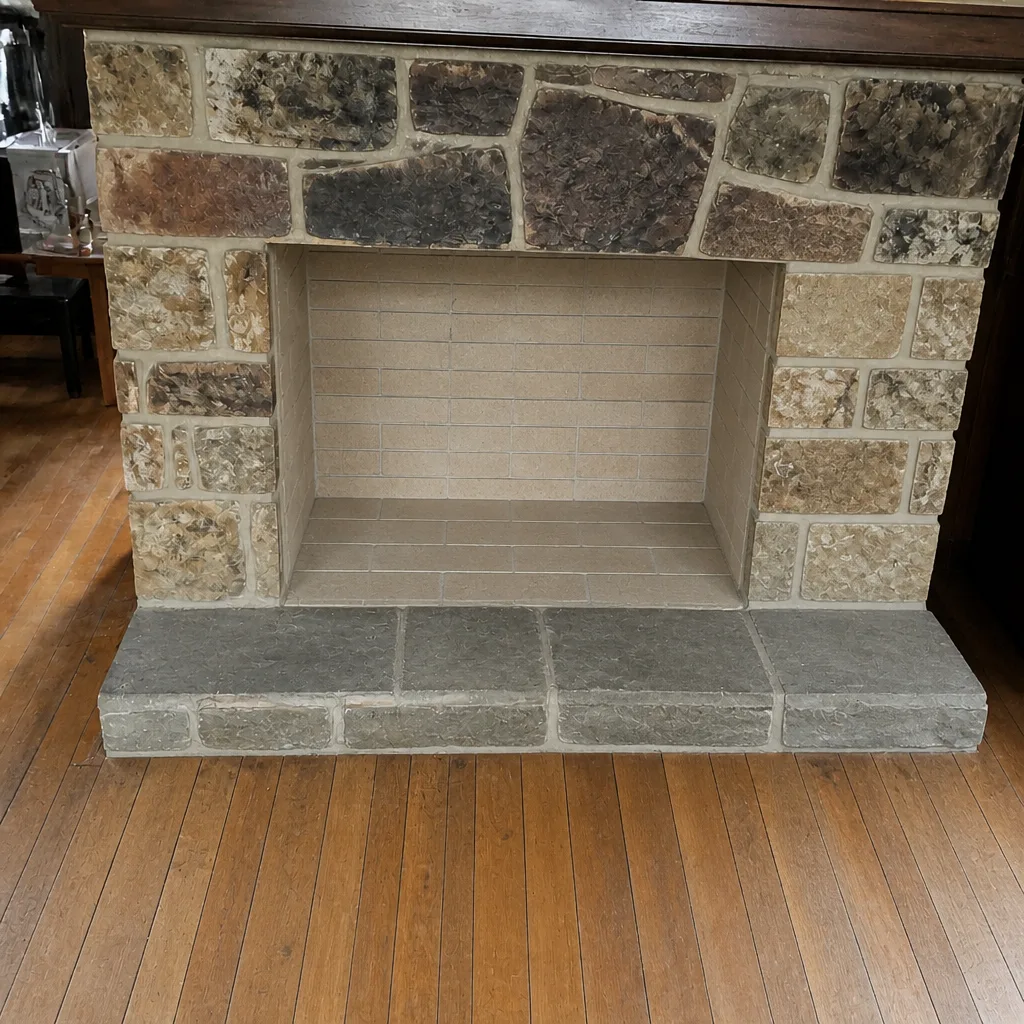
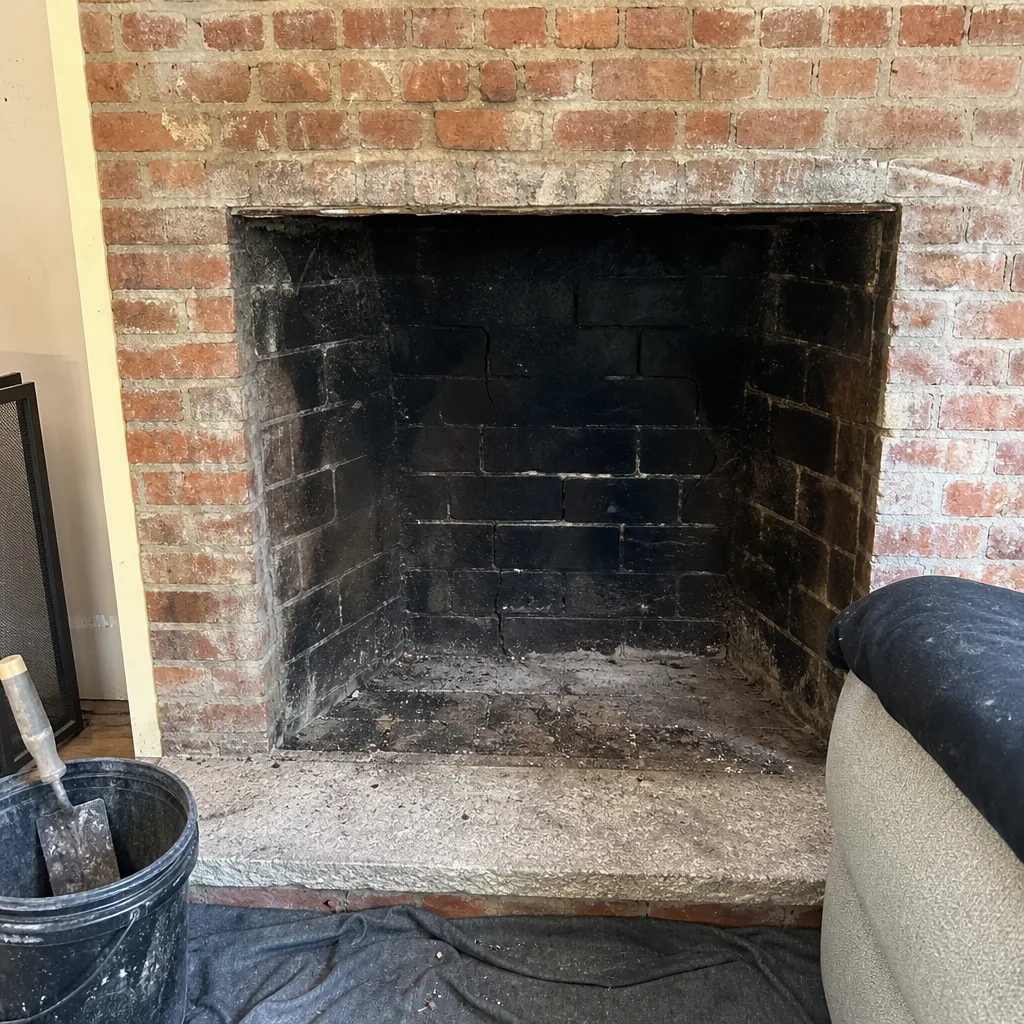
See the difference
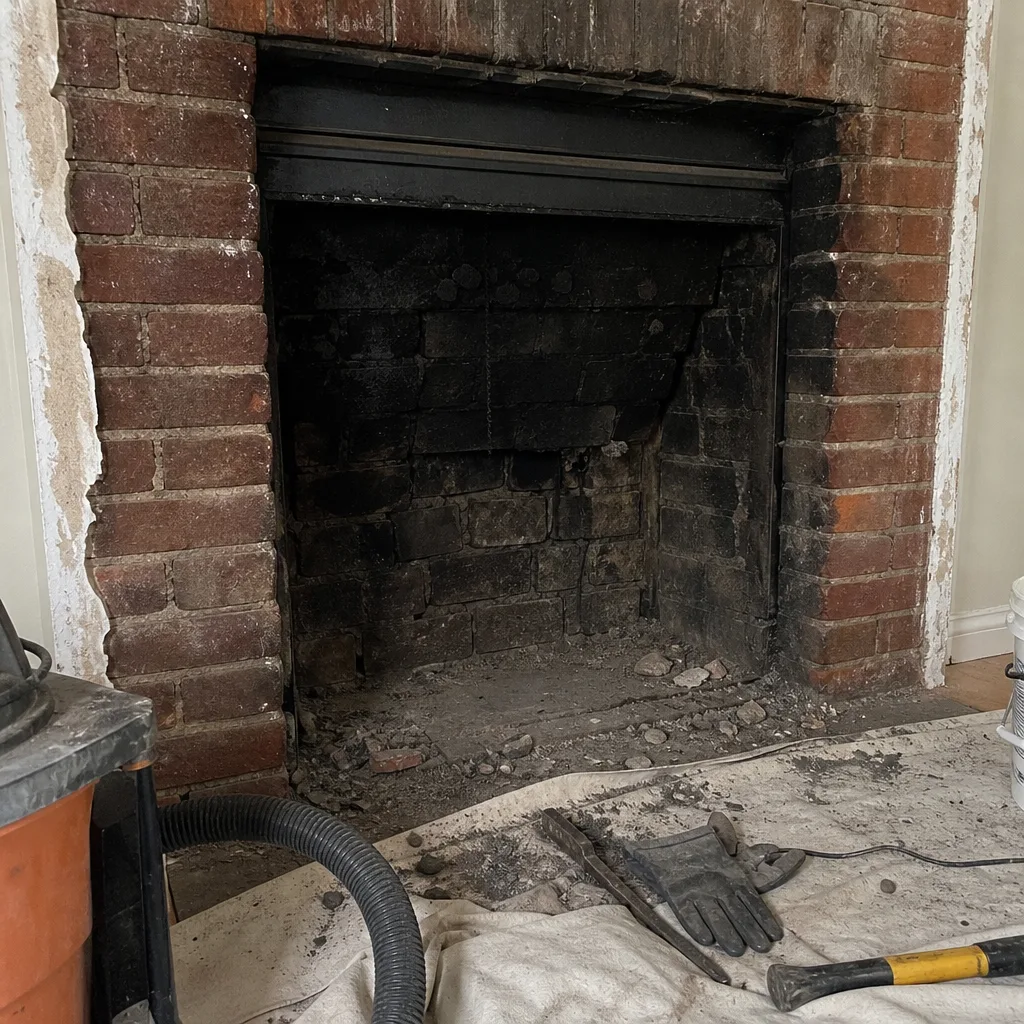 Before
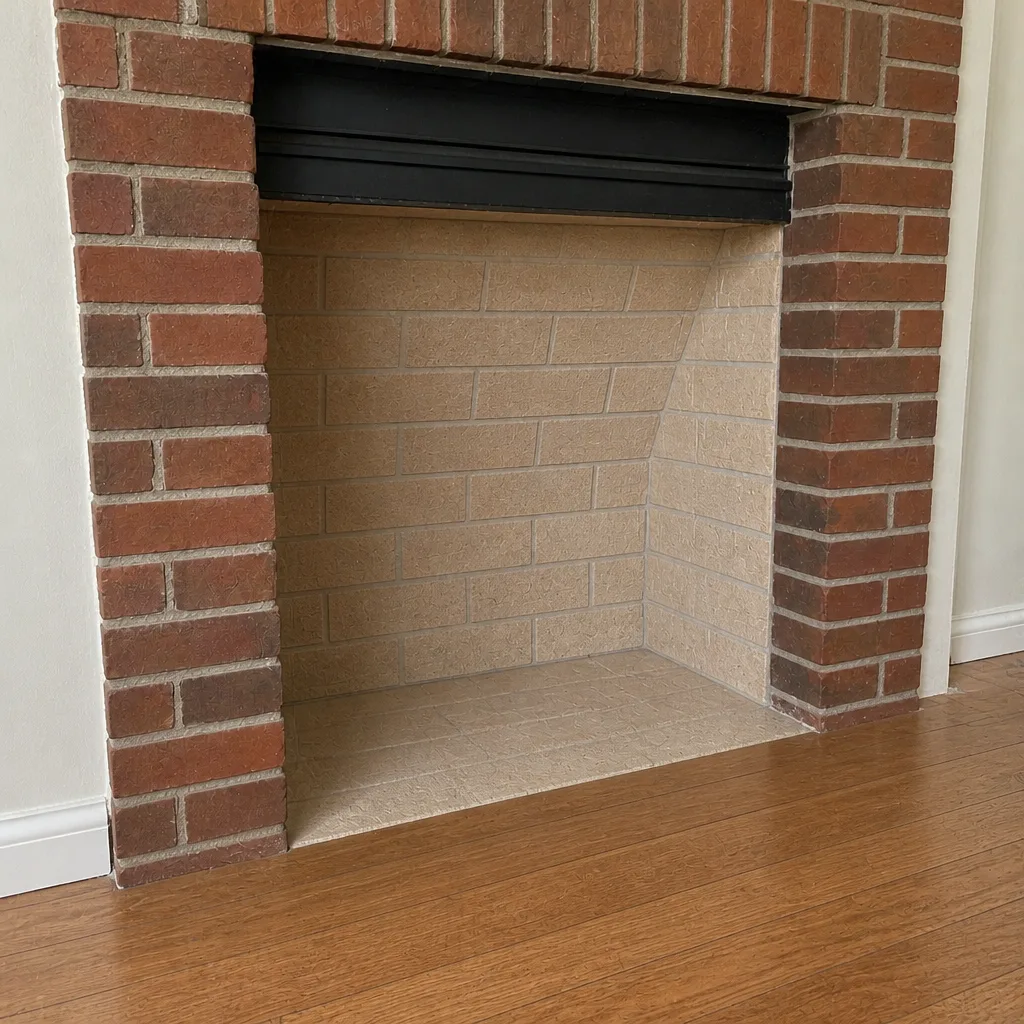 After
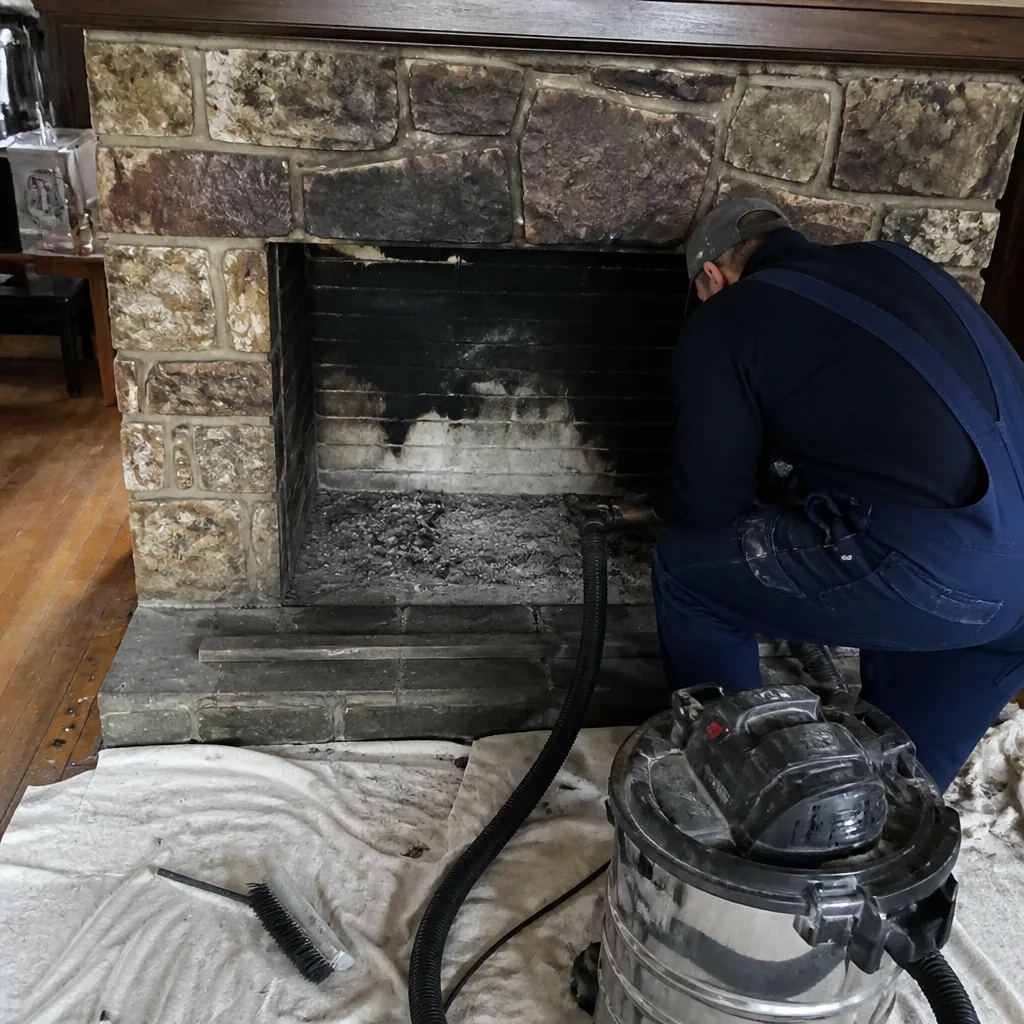 Before
 After
 Before
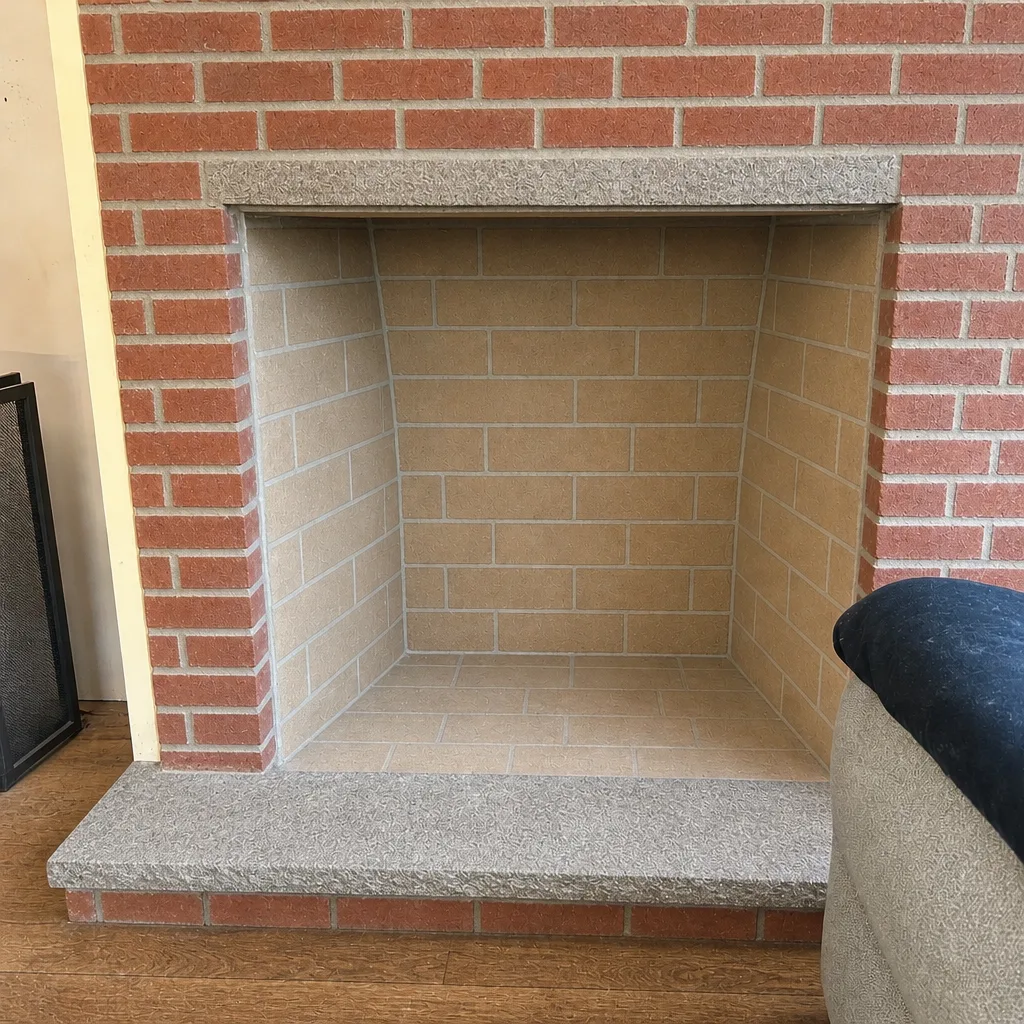 After
When to Call a Professional
Call a professional when the work crosses into code territory, when you need a documented inspection for a transaction, or when you notice changes that suggest a problem you can’t see. Specifically: if the flue hasn’t been cleaned in over a year, if you notice dark stains on the exterior masonry, if you smell smoke indoors when the fireplace is running, if the damper doesn’t move freely, if a chimney fire has ever occurred in the home, or if you’re buying or selling a residence in Concourse and need a Level 2 inspection on record. We also recommend a call when a repair quote doesn’t include a photo report; that’s a sign the diagnosis is incomplete. Chimney Sweep Concourse offers free estimates in Concourse – call (877) 792-5845.
Frequently Asked Questions
No. Routine chimney cleaning in Concourse, NY does not require a permit, because cleaning is maintenance on an intact system and doesn’t alter structural or venting components. A permit is triggered only when the work moves into repair or installation, such as relining, firebox rebuilding, or cap and crown replacement. Call (877) 792-5845 for an exact scope and an honest read on whether your job stays in cleaning territory.
Most wood-burning chimneys in Concourse should be swept once a year, and gas-fired systems should be inspected at least once a year to check venting and appliance condition. The specific interval depends on how much you burn and the type of appliance. If you burn regularly through the winter, an annual inspection catches issues before they grow into repairs. Call (877) 792-5845 to book a sweep and get a baseline report for the year.
Not always legally required, but strongly recommended and commonly expected during a real-estate transaction in the Concourse area. NFPA 211 lists sale or transfer of the property as a trigger for a Level 2 inspection, and buyers often ask for one before closing. A documented report protects both sides. Call (877) 792-5845 for an inspection with a written report and photos.
An insurer can dispute a claim if the work contributing to the fire wasn’t done to code, and without a permit there may be no record to prove otherwise. This is why the permit trail matters. Even if the work was done correctly, lack of documentation puts the burden on the homeowner.
Often yes, though it depends on your local building department. The first step is a Level 2 inspection to document the existing condition, followed by a call to the building department to ask about retroactive permitting. If a permit isn’t available, an NFPA 211 compliance statement from a qualified specialist can serve as documentation. Call (877) 792-5845 to arrange the inspection.
A Level 1 inspection is a routine visual check done at the same time as a cleaning, covering readily accessible components. A Level 2 is more thorough, includes accessible spaces like attics and crawlspaces, and produces a written report with photographs. Level 2 is triggered by a sale, appliance change, or chimney event. For either, call (877) 792-5845.
The Bottom Line
Chimney cleaning in Concourse, NY doesn’t need a permit, but the moment the work becomes repair, it does. The permit is not red tape; it’s the documentation that protects your home at sale and at claim time. Understanding NFPA 211 alongside local codes keeps you ahead of the requirements, and a Level 2 inspection gives you the evidence a permit is meant to record. If you’ve inherited unpermitted work, an inspection and a compliance statement can usually rebuild the record. Use specified materials from a professional brand, keep the paperwork, and treat documentation as part of the job, not an afterthought.
We inspect before we recommend. We repair with materials built to last. From annual sweep to full structural repair, one company, one call. For a free estimate in Concourse, call (877) 792-5845. We answer 24/7. Fast dispatch from 7am to 7pm, Sunday through Friday.
Written by the team at Chimney Sweep Concourse.